
Beyond Single-Family
How Minneapolis's zoning reform opened possibilities for gentle density, showing that housing abundance and neighborhood character can coexist.

Key Insights
Essential takeaways from this chronicle
Minneapolis became the first major US city to eliminate single-family-only zoning citywide
Point 1 of 3The reform allows duplexes and triplexes in all residential neighborhoods, increasing housing options
Point 2 of 3Early results show new housing construction without dramatic neighborhood change
Point 3 of 3
Beyond Single-Family
In December 2018, Minneapolis became the first major U.S. city to eliminate single-family-only zoning citywide. The Minneapolis 2040 plan allows duplexes and triplexes to be built in every residential neighborhood, ending nearly a century of exclusionary zoning that had segregated the city by race and class.
The reform didn't emerge in a vacuum. It was the product of years of community organizing, policy research, and political courage—a recognition that Minneapolis's housing crisis required fundamental change, not just incremental tweaks.
The Problem: Abundance Banned
For most of the 20th century, Minneapolis—like most American cities—used zoning to enforce a particular vision of urban life: single-family homes on large lots, separated from commerce and higher-density housing. This wasn't just urban planning; it was social engineering.
The effects were predictable and devastating. Between 1990 and 2016, the Minneapolis metro area added 400,000 jobs but only 200,000 housing units. Rents rose faster than wages. Young families were priced out of neighborhoods where they'd grown up. Essential workers—teachers, firefighters, nurses—couldn't afford to live in the communities they served.
Meanwhile, three-quarters of the city's residential land was zoned exclusively for single-family homes, making it illegal to build the missing middle housing—duplexes, triplexes, small apartment buildings—that had characterized many Minneapolis neighborhoods before zoning laws banned them.
The contradiction was stark: in a city facing a housing shortage, most housing types were literally illegal to build.
The Process: Democracy in Action
The path to zoning reform began in 2016 with Minneapolis 2040, a comprehensive plan update that engaged more than 50,000 residents in conversations about the city's future. The process revealed deep frustration with housing costs and widespread support for more housing options.
But it also exposed the tensions inherent in urban change. Some residents worried that allowing duplexes and triplexes would transform neighborhood character. Others argued that excluding affordable housing was itself a transformation—one that had made their communities less diverse and accessible.
The debate wasn't just about housing policy; it was about who belongs in the city and what communities owe each other.
City Council Member Lisa Bender, who championed the reform, framed it in terms of justice: "Our single-family zoning has a history of exclusion. We have an opportunity to reverse some of that harm."
The Reform: Gentle Density
The Minneapolis 2040 plan takes a nuanced approach to density. Rather than allowing high-rise apartments everywhere, it permits "gentle density"—housing types that increase the number of units while maintaining neighborhood scale and character.
Under the new rules, property owners can build up to three units on lots previously restricted to single-family homes. The regulations include design standards to ensure new construction fits existing streetscapes: similar heights, setbacks, and parking requirements as single-family homes.
The reform also addresses concerns about speculation and displacement. New duplexes and triplexes must meet the same design standards as single-family homes, preventing the "teardown and replace" development that can destabilize neighborhoods.
Importantly, the plan doesn't require anyone to tear down existing homes or build new housing. It simply removes legal barriers that had made diverse housing types illegal.
Early Results: Evolution, Not Revolution
Four years after implementation, the results challenge both supporters' hopes and opponents' fears. The reform has increased housing construction—about 1,000 new units in structures that would have been illegal under old zoning—but hasn't triggered a development boom.
Most new construction consists of thoughtfully designed duplexes that blend seamlessly with existing homes. Fears of massive teardowns haven't materialized. Neighborhoods remain recognizable, but with more housing options for more types of households.
The policy has had ripple effects beyond housing production. Other cities—from Oregon to California—have adopted similar reforms. Real estate markets have begun to adjust, with developers designing smaller, more affordable housing types.
Perhaps most importantly, the reform has shifted the conversation about urban change. Instead of asking whether cities should allow more housing, the question has become how to do it well.
The Larger Implications
Minneapolis's zoning reform represents more than housing policy; it's a recognition that cities must evolve to remain equitable and sustainable. The single-family zoning that dominated 20th-century planning reflected a particular moment in American history—post-war prosperity, federal housing subsidies, and exclusionary practices that kept many families out of homeownership.
Today's challenges require different tools. Climate change demands denser, more transit-oriented development. Housing costs require more diverse housing types. Racial equity demands removing barriers that have excluded families from opportunity-rich neighborhoods.
The reform also demonstrates that meaningful change is possible through democratic processes. The Minneapolis 2040 plan didn't impose top-down solutions; it emerged from extensive community engagement and reflected widespread support for more housing options.
Lessons for Other Cities
Minneapolis's experience offers several lessons for cities grappling with housing challenges:
Start with values, not just policies. The reform succeeded because it was framed in terms of equity, opportunity, and community values—not just housing production.
Design matters. Gentle density that respects neighborhood character is more politically sustainable than dramatic zoning changes.
Engage broadly. The extensive community process built support for reform and addressed concerns before they became opposition.
Think systemically. Zoning reform alone won't solve housing challenges, but it's a necessary foundation for other policies.
The Continuing Story
Minneapolis's zoning reform is still unfolding. The full effects won't be visible for years as new housing is designed, financed, and constructed. Economic conditions, construction costs, and market demand will all influence outcomes.
But the policy has already achieved something significant: it has made the conversation about housing abundance normal. In Minneapolis, asking why most housing types are illegal is no longer radical—it's common sense.
The duplex on that tree-lined street in Lowry Hill East represents more than a housing unit. It's a symbol of a city choosing abundance over scarcity, inclusion over exclusion, and evolution over stagnation.
Cities across America are watching Minneapolis's experiment. The question isn't whether other places will follow—it's how quickly they'll act and how well they'll adapt the model to their own communities.
Housing abundance isn't a technical problem requiring expert solutions. It's a political choice about what kind of communities we want to build and who gets to live in them.
Since implementing zoning reform, Minneapolis has issued permits for over 1,000 new housing units in duplexes and triplexes that would have been illegal under previous zoning, while property values have remained stable and neighborhood character has been preserved.
Related Topics
Continue Reading

The View from Below: How London Mistook Skyscrapers for Density
London spent twenty years building upward in the name of the compact city. From the pavements of Shoreditch the arithmetic looks different: the tower privatises the panorama and socialises the silhouette.

The Los Angeles That Almost Learned to Walk
In 1930, a regional parks plan and an electric rail network could have made Los Angeles a polycentric, walkable, tram-linked metropolis. The city commissioned the plan, then put it in a drawer. This is the anatomy of a choice, not a fate.
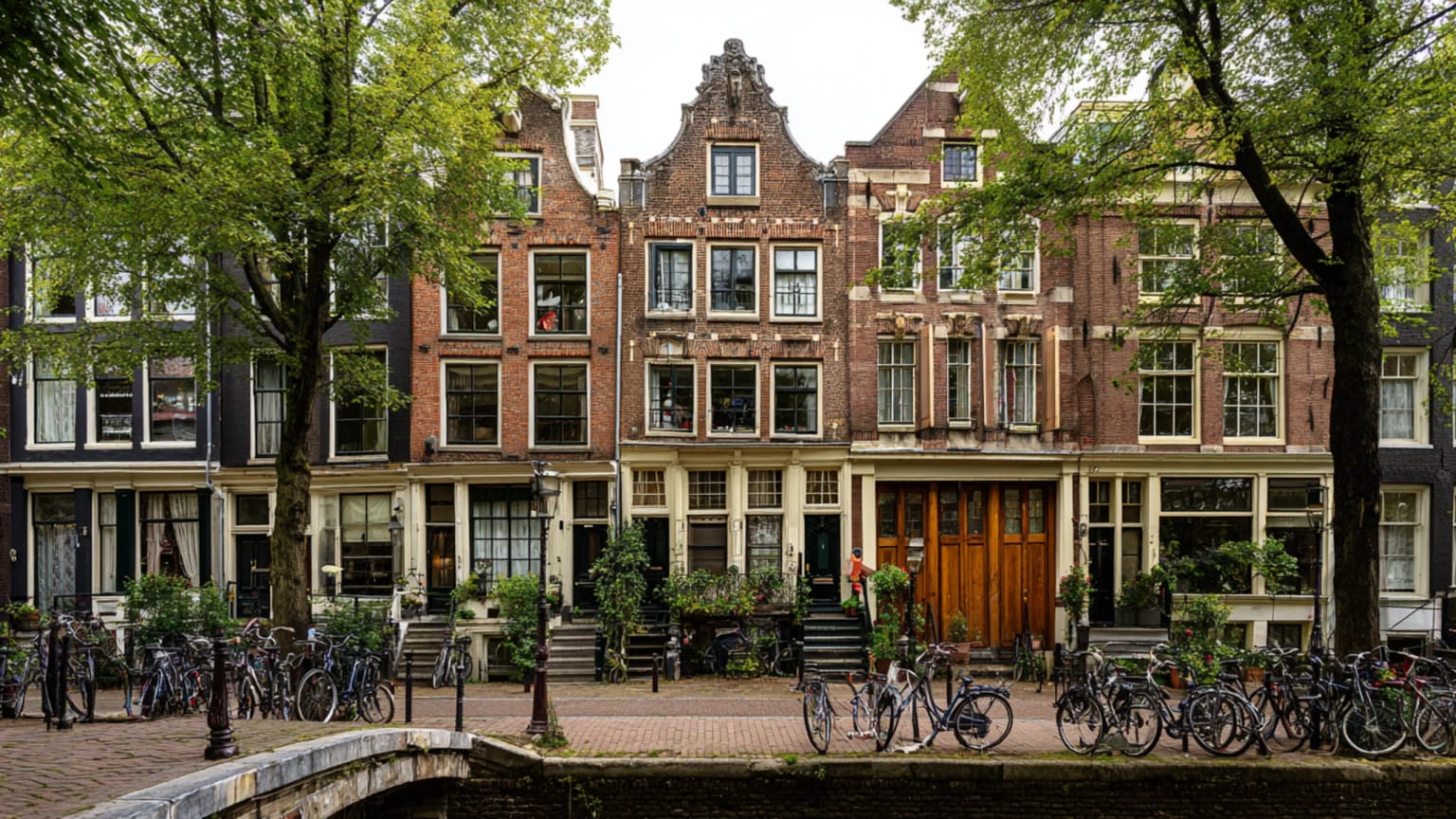
Canals Under Pressure: Amsterdam and the Living City Review
Amsterdam ranks 10th in The Living City Review 2026 with an adjusted score of 76.5. It remains one of Europe’s finest cities for daily life, but housing scarcity and tourism pressure have turned beauty into a harder civic bargain.