Chronicles of urban transformation—where empirical rigor meets lyrical urbanism.
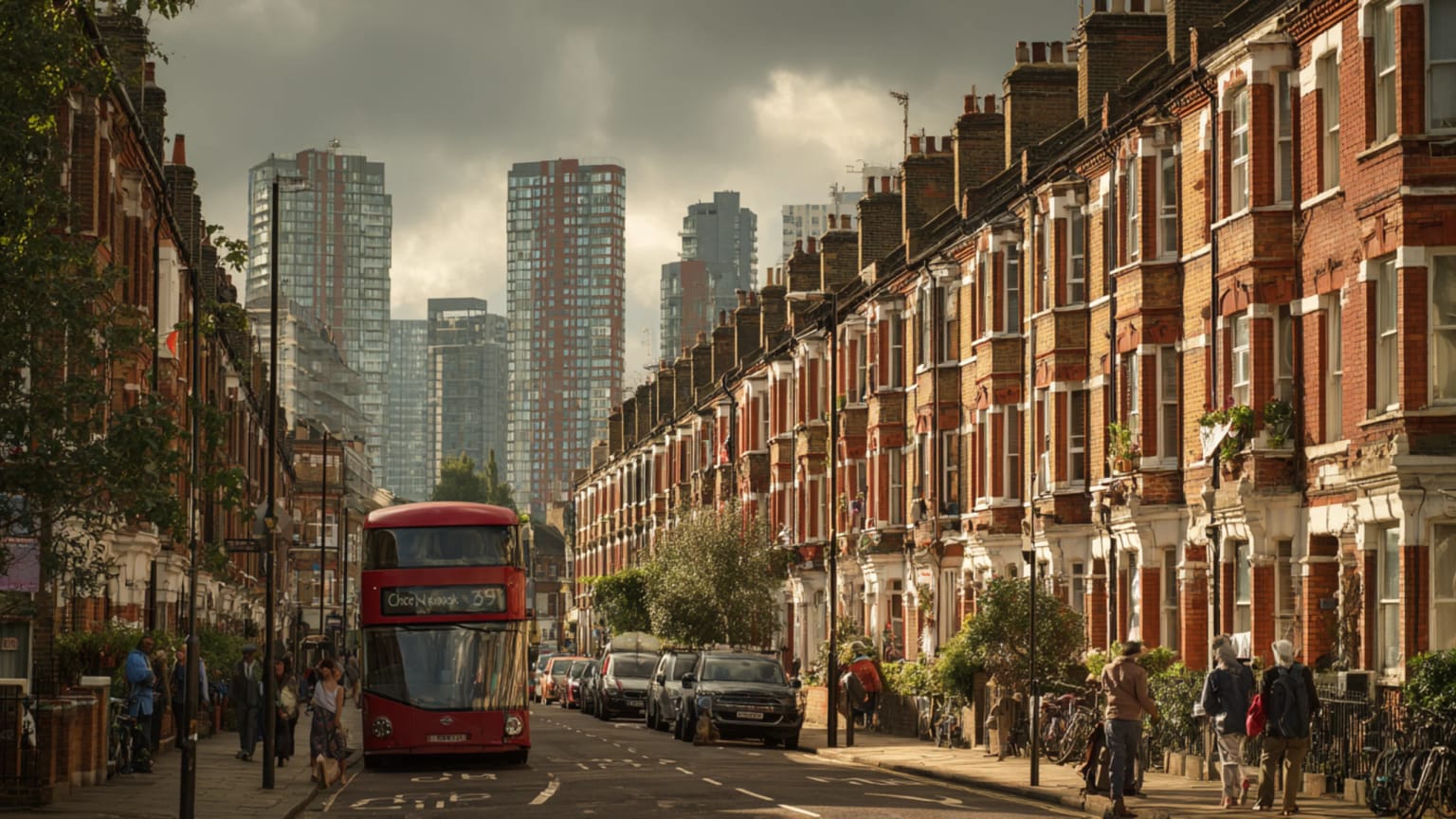
London spent twenty years building upward in the name of the compact city. From the pavements of Shoreditch the arithmetic looks different: the tower privatises the panorama and socialises the silhouette.
In 1930, a regional parks plan and an electric rail network could have made Los Angeles a polycentric, walkable, tram-linked metropolis. The city commissioned the plan, then put it in a drawer. This is the anatomy of a choice, not a fate.
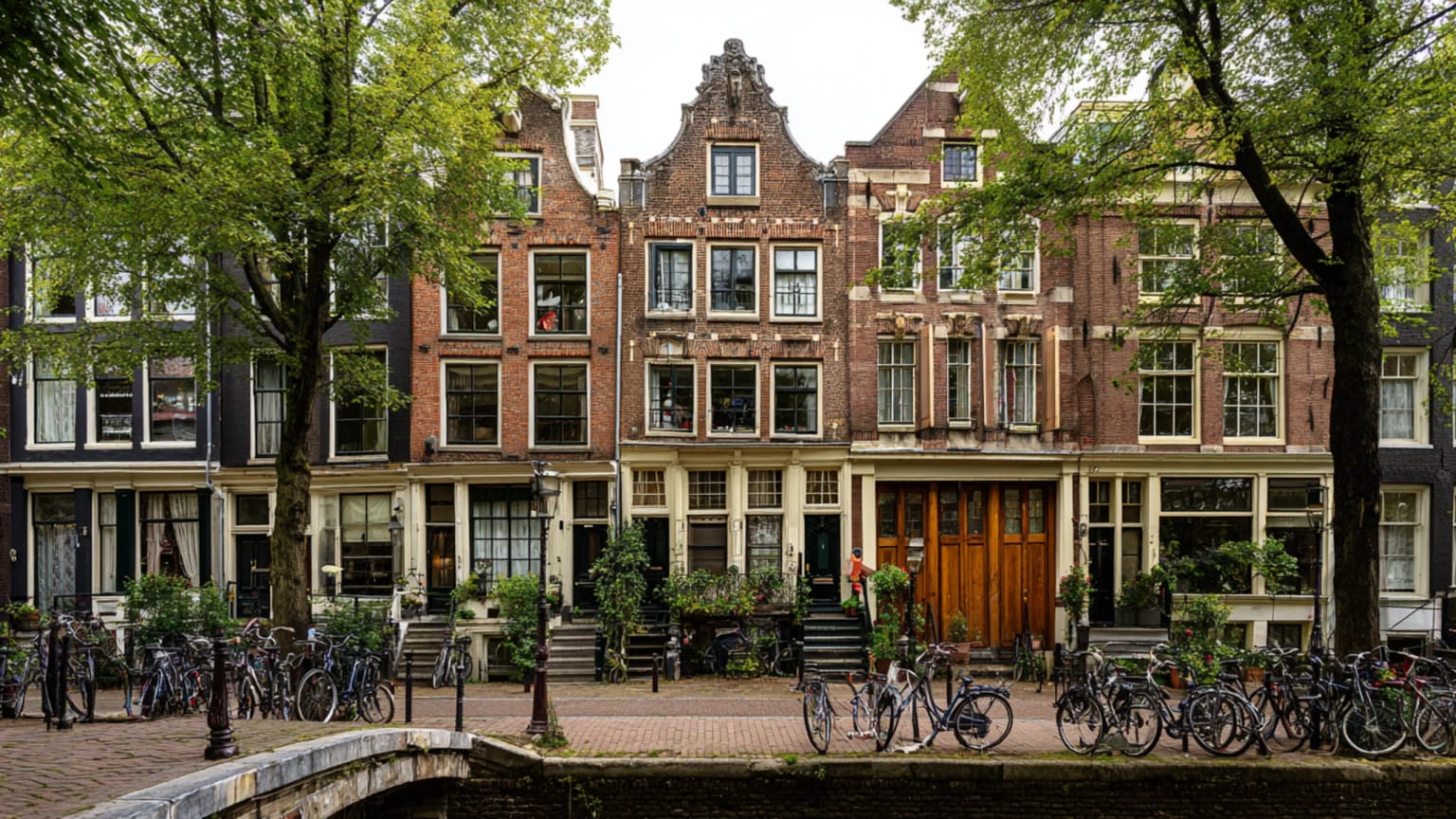
Amsterdam ranks 10th in The Living City Review 2026 with an adjusted score of 76.5. It remains one of Europe’s finest cities for daily life, but housing scarcity and tourism pressure have turned beauty into a harder civic bargain.
Not the best city, the happiest city, or the most powerful city — but the one where a full life is possible. The Living City Review scores 36 great cities on ten criteria of daily life, then subtracts the shadows: housing extraction, car-dependence, inequality, climate negligence.
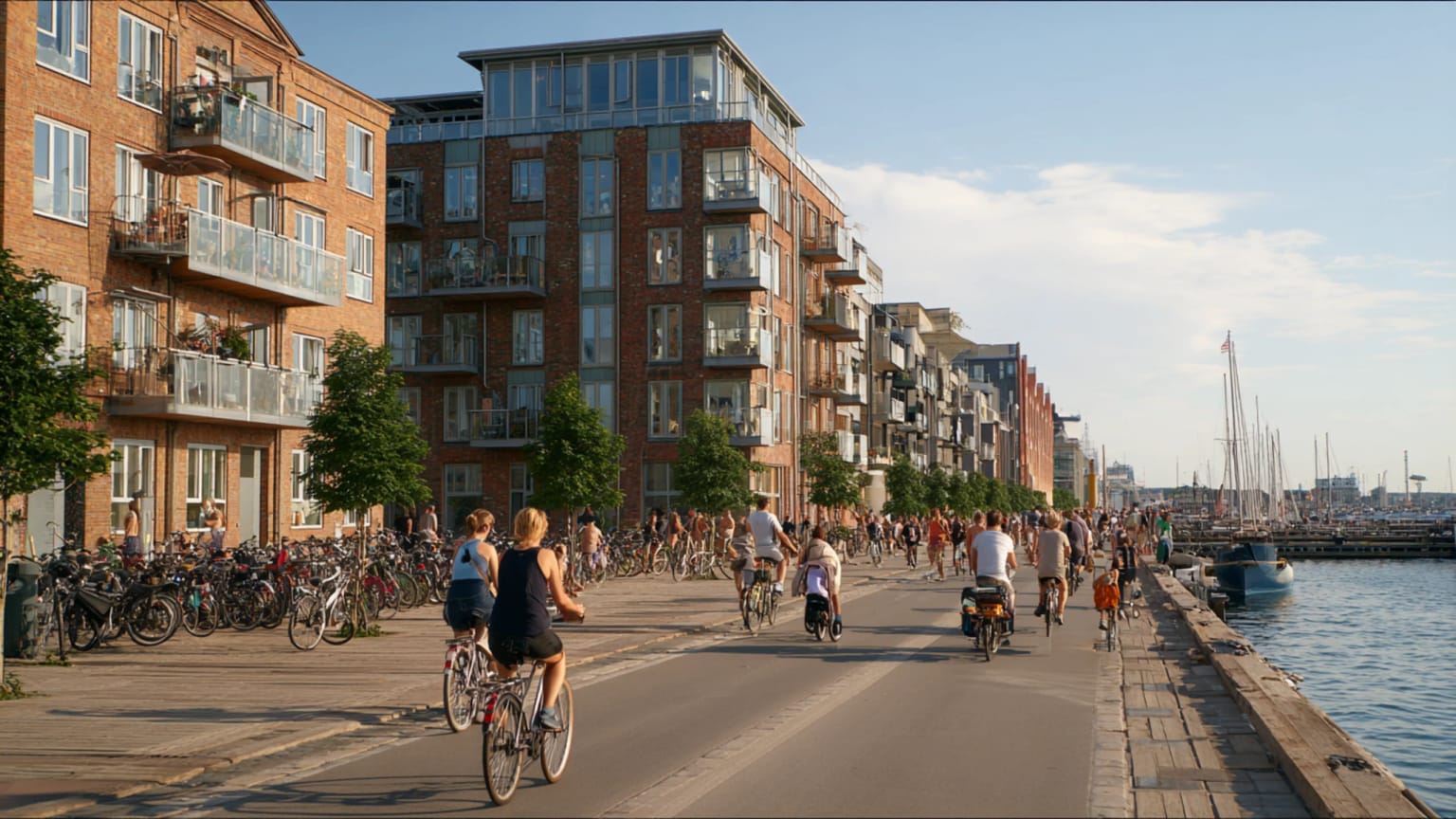
Copenhagen ranks 2nd in The Living City Review 2026 with an adjusted score of 86.0 and the label Gold Habitat. This review traces how cycling, public trust, blue-green planning and a disciplined public realm make ordinary life feel unusually frictionless.
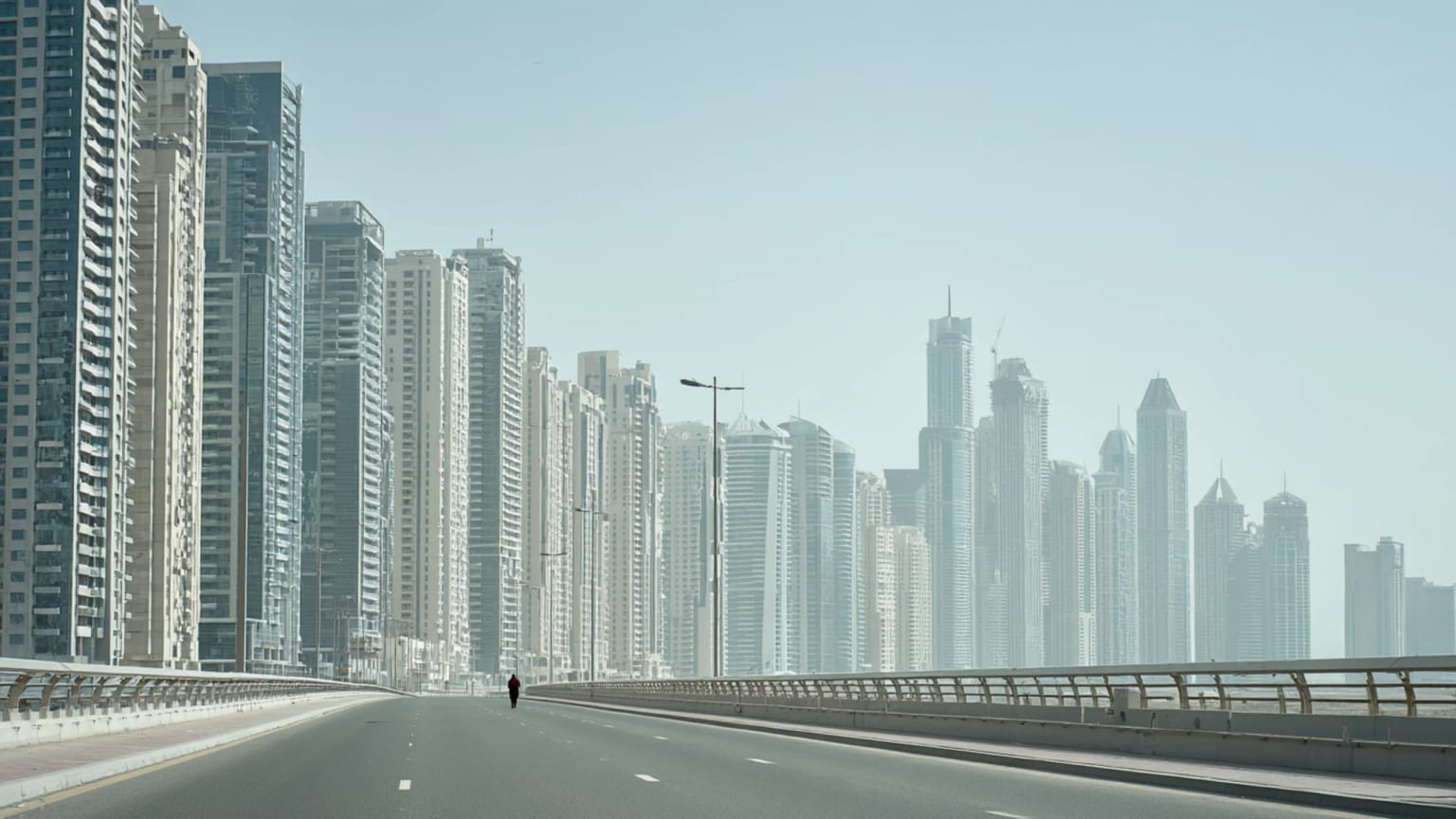
Dubai ranks 36th in The Living City Review 2026 with an adjusted score of 29.0. It is globally useful and infrastructurally efficient, but the city’s dependence on heat enclosure, cars, exclusion, and labor hierarchy leaves the habitat itself weak.
London ranks 19th in The Living City Review 2026 with an adjusted score of 65.0. Its cultural depth and daily richness remain extraordinary, but housing extraction and inequality now tax belonging with unusual force.
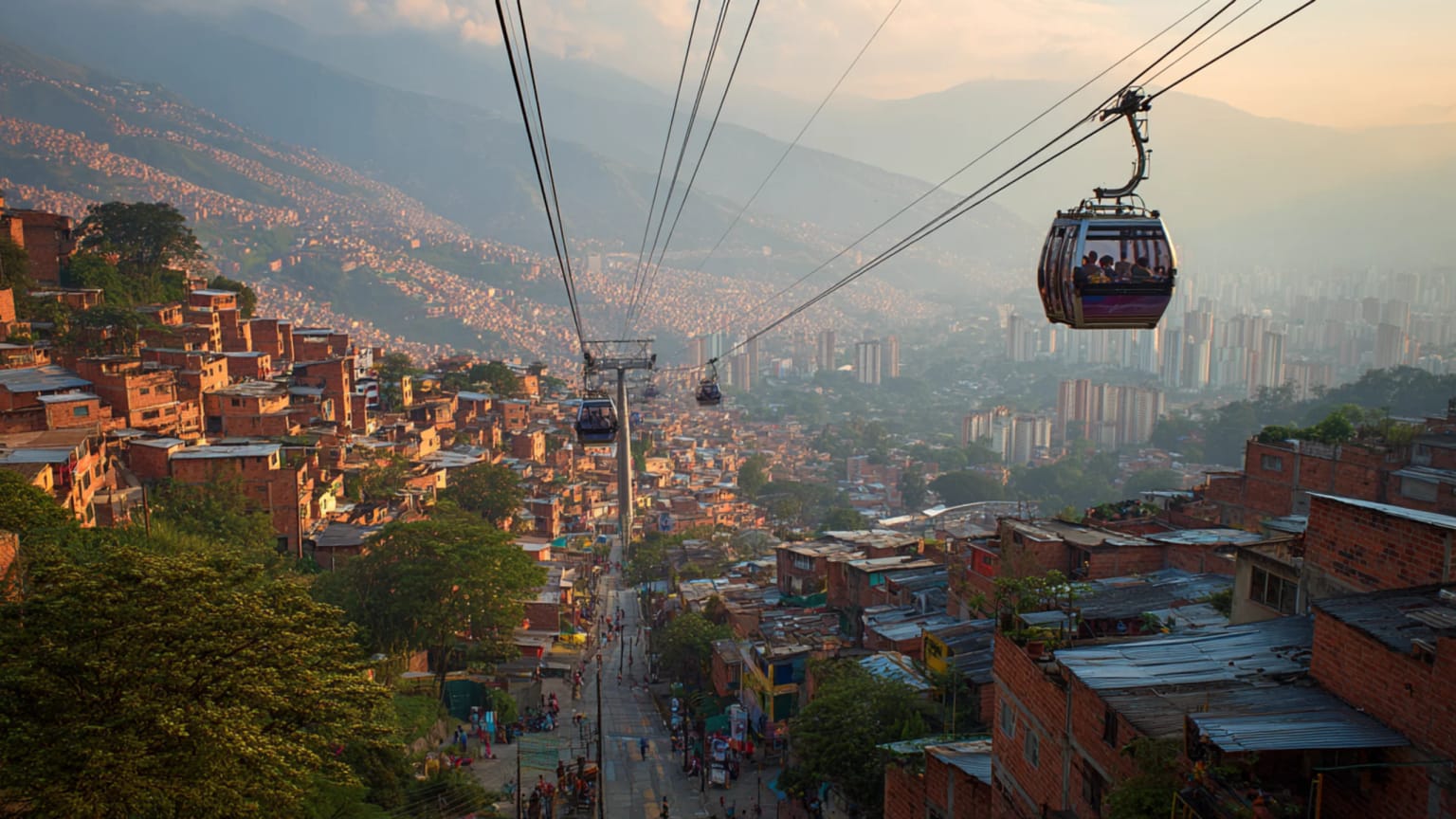
Medellín ranks 24th in The Living City Review 2026 with an adjusted score of 59.0. It is one of the world’s most instructive urban recoveries, but inequality and constrained safety still shape daily life too sharply.
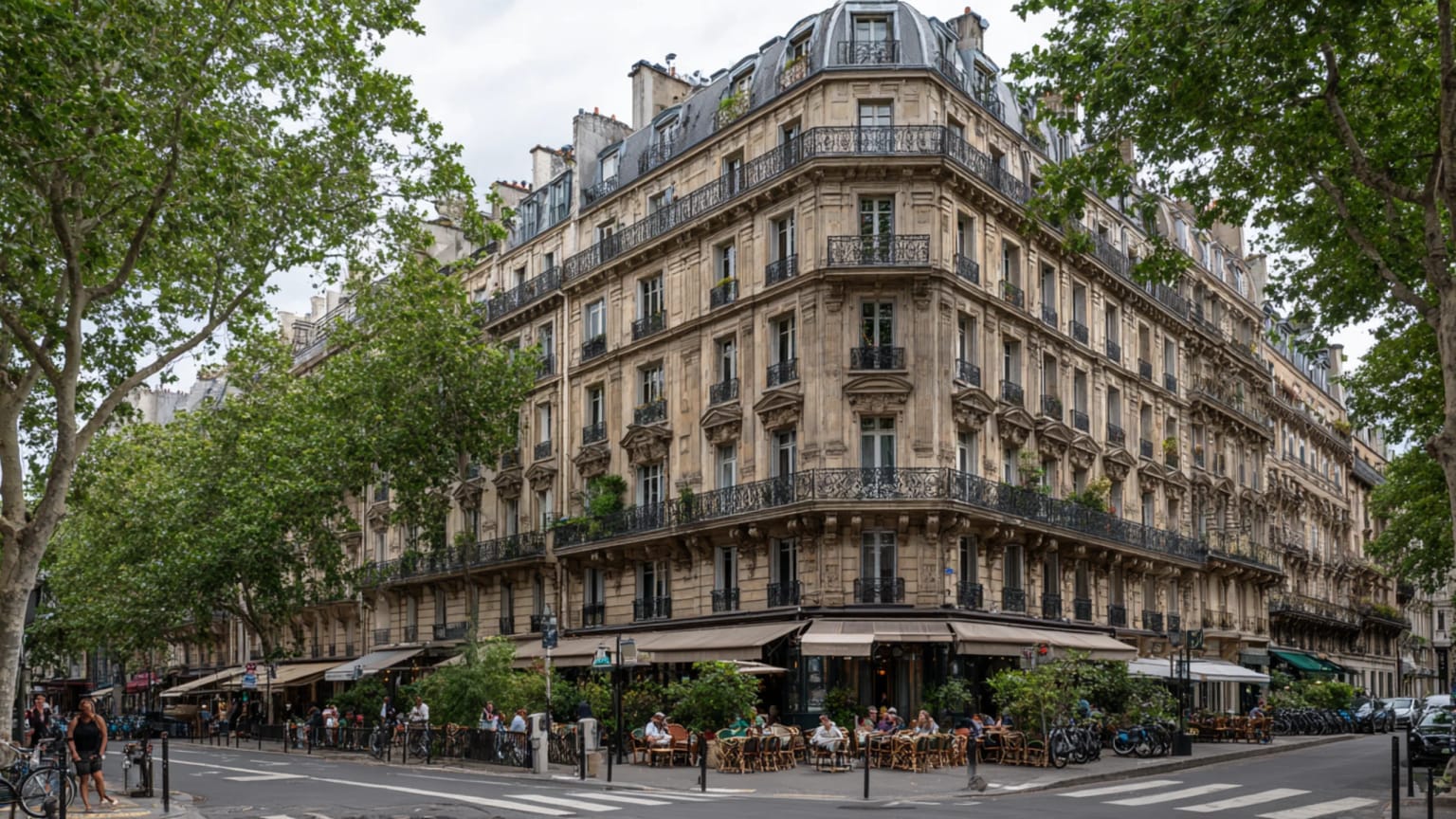
Paris ranks 14th in The Living City Review 2026 with an adjusted score of 72.0 and the label Gold Habitat. This review weighs the city's unmatched civic beauty and transit-rich daily life against housing extraction, tourism pressure and metropolitan inequality.
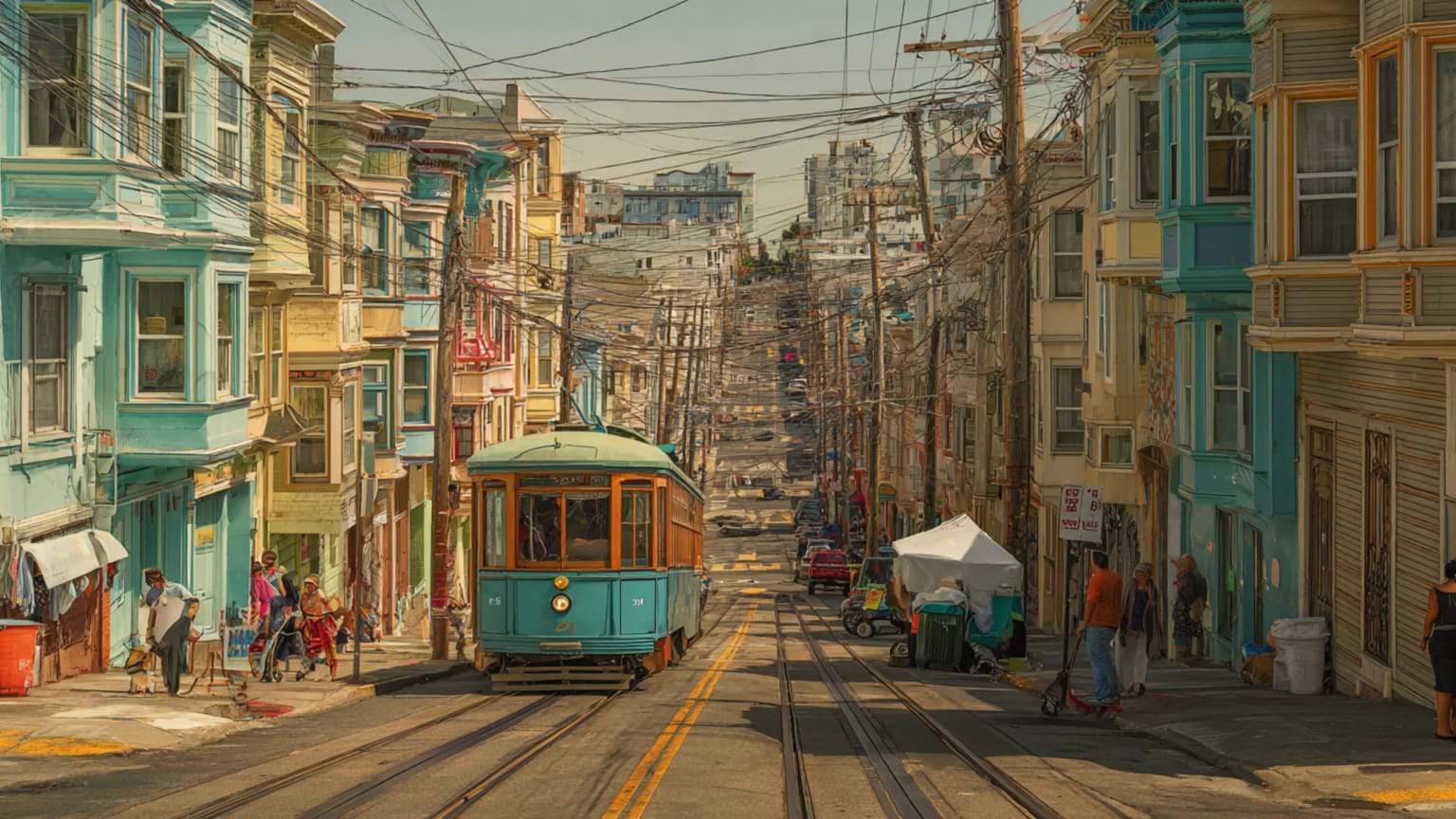
San Francisco ranks 31st in The Living City Review 2026 with an adjusted score of 50.5. Its beauty, culture, and global intellectual power remain immense, but housing exclusion and governance failure drag daily life downward.
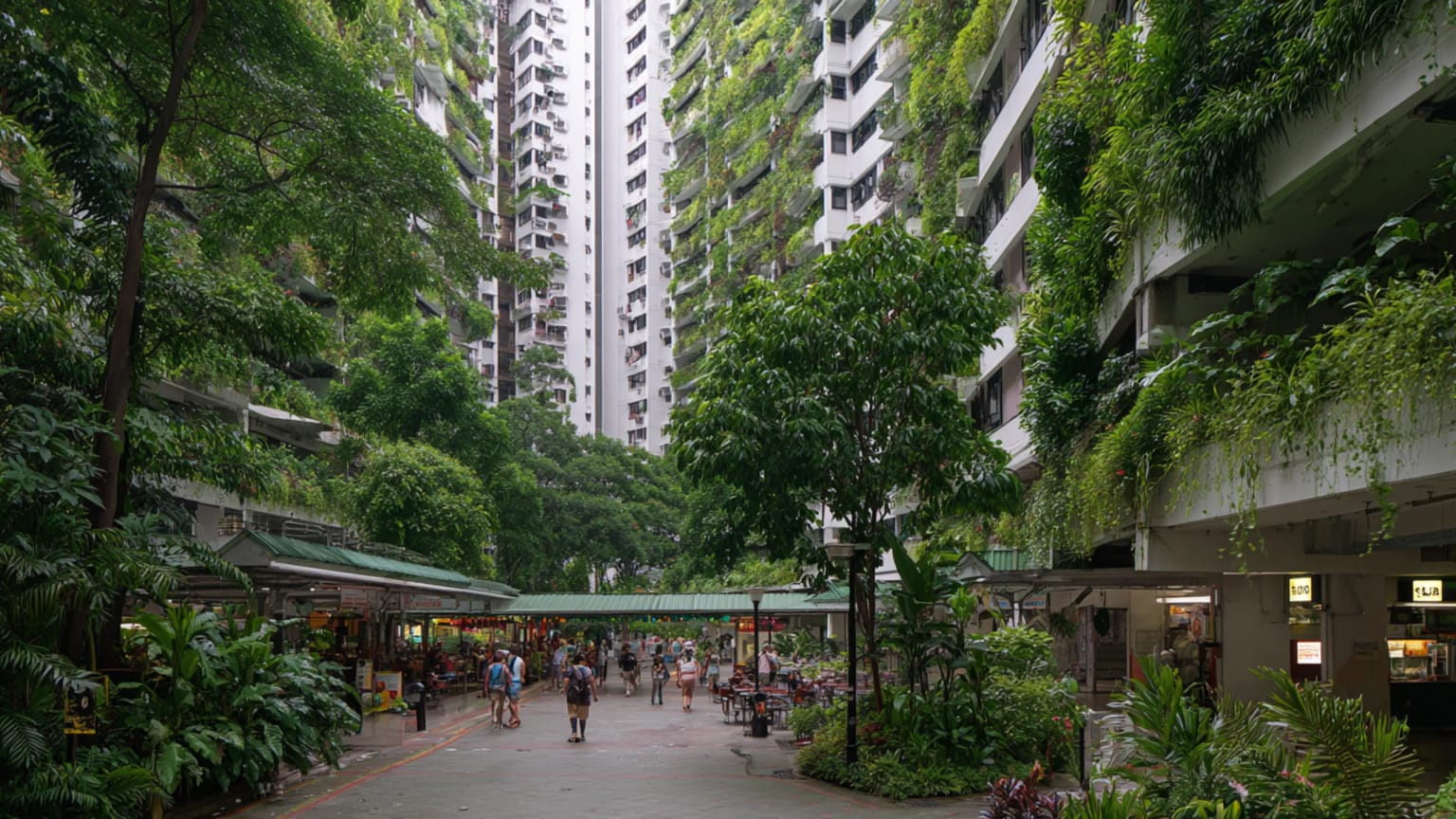
Singapore ranks 8th in The Living City Review 2026 with an adjusted score of 78.0 and the label Efficient but Thin. This review asks how far extraordinary competence can carry a city when freedom, looseness and equal belonging remain narrower than the polished surface suggests.
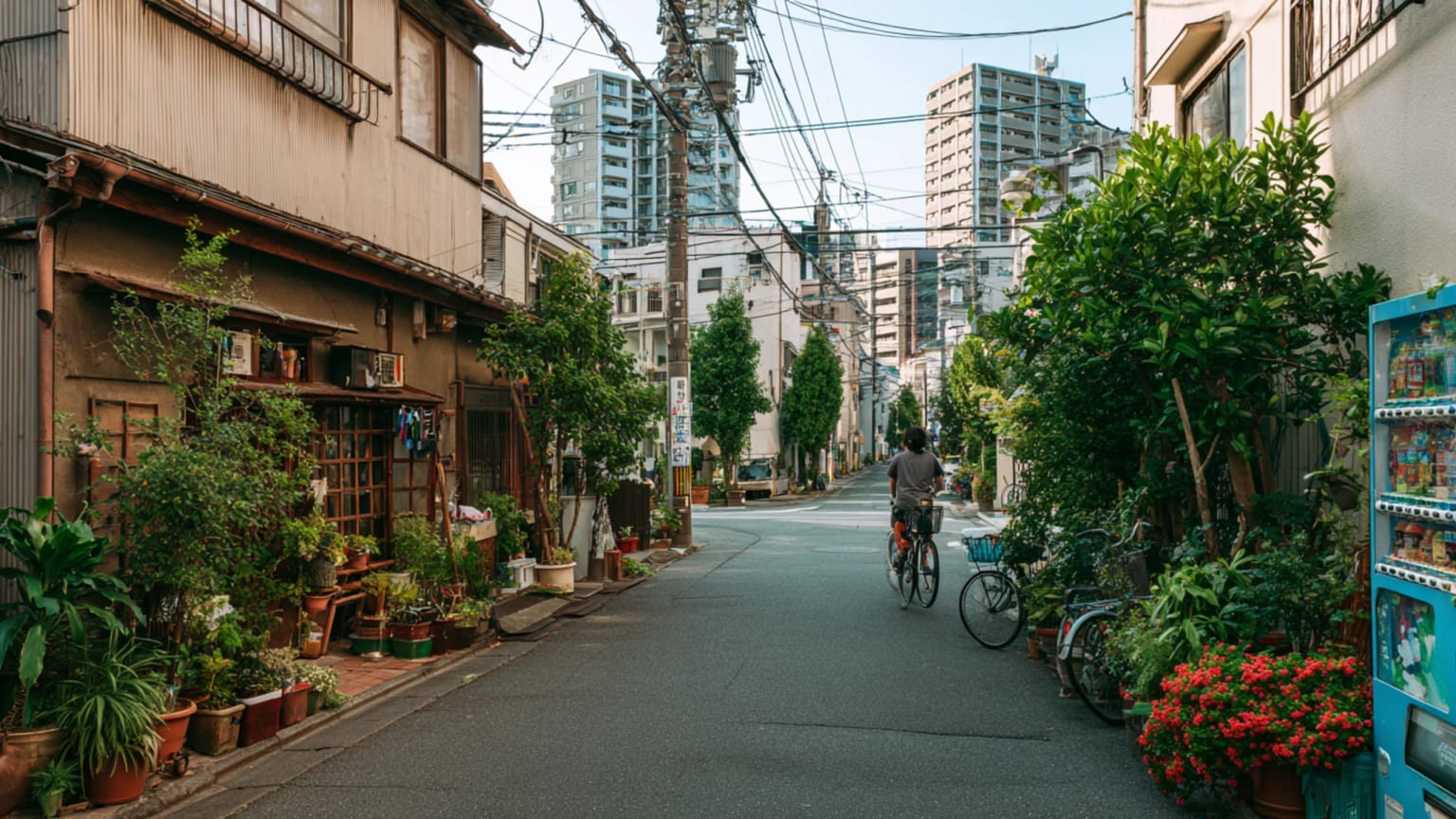
Tokyo ranks 4th in The Living City Review 2026 with an adjusted score of 84.0 and the label Gold Habitat. This review examines how the world's great megacity makes scale, abundance and transit coexist without abolishing daily life.
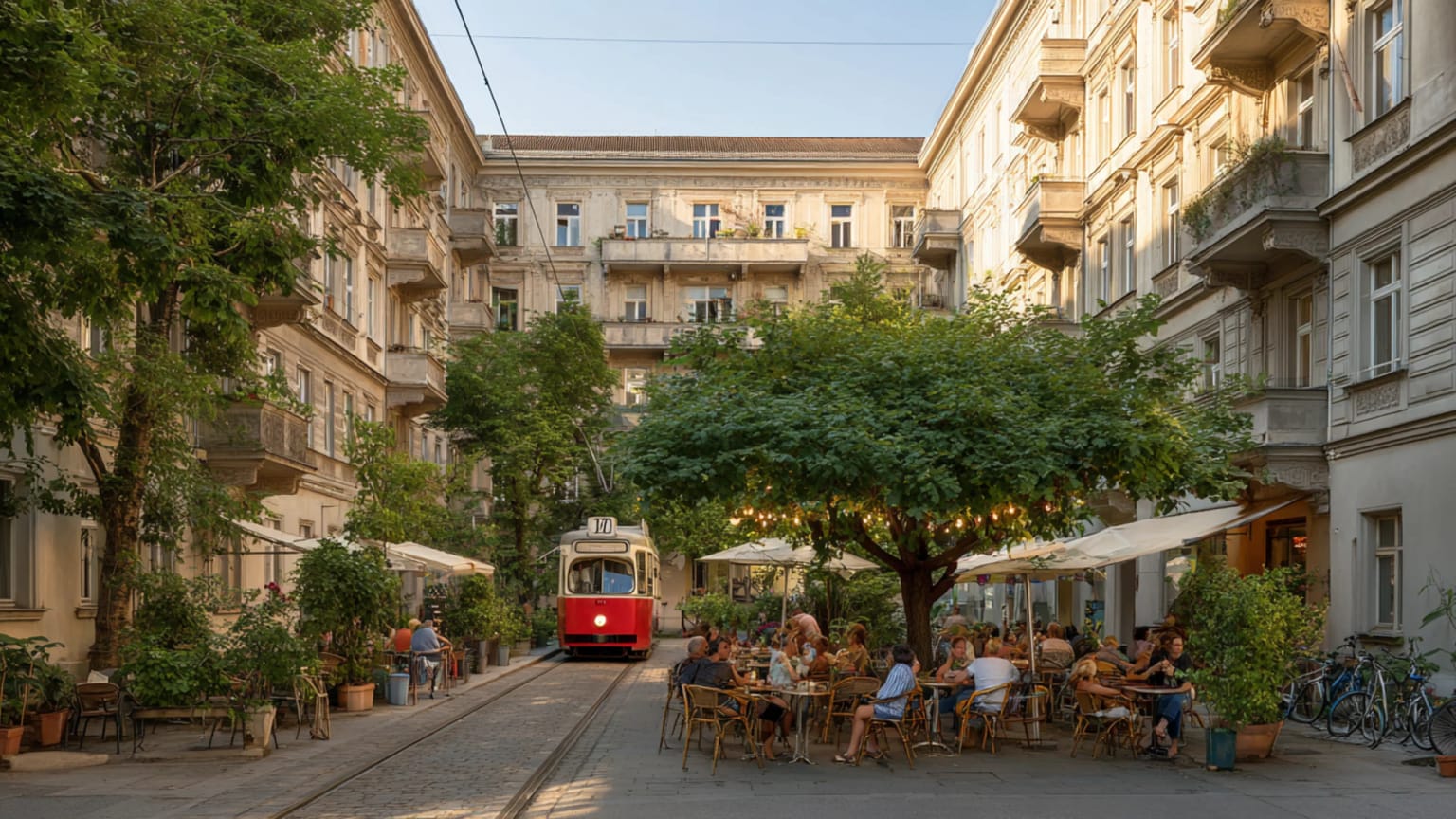
Vienna ranks 1st in The Living City Review 2026 with an adjusted score of 87.0 and the label Gold Habitat. This review explains why housing, transit, governance and urban form still hold together here as one civic system.
American cities have spent decades borrowing against the future to build arenas for some of the richest businesses in the country. The promised windfall almost never arrives. This is an anatomy of how the deal is structured — and why the same argument keeps winning.
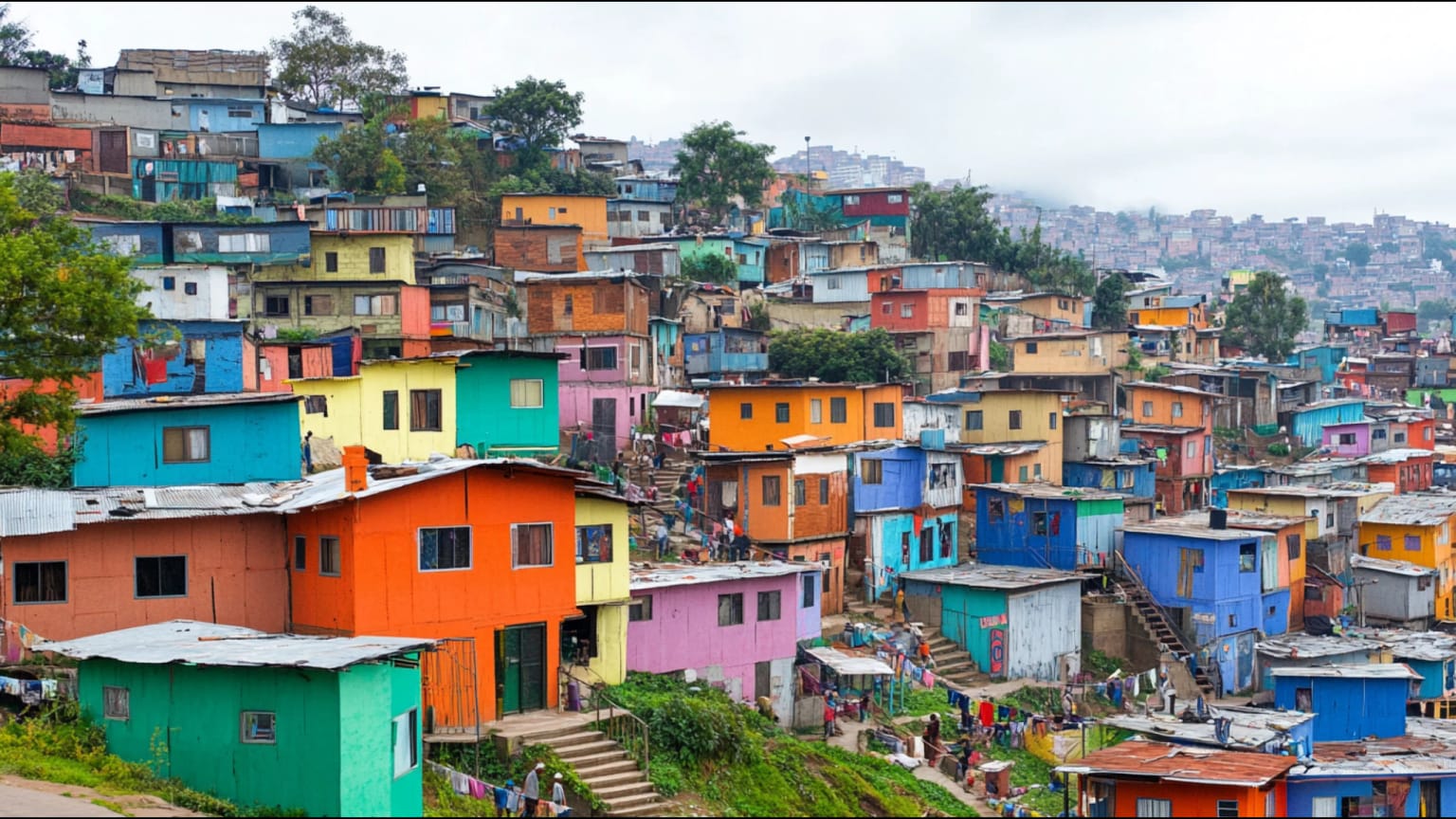
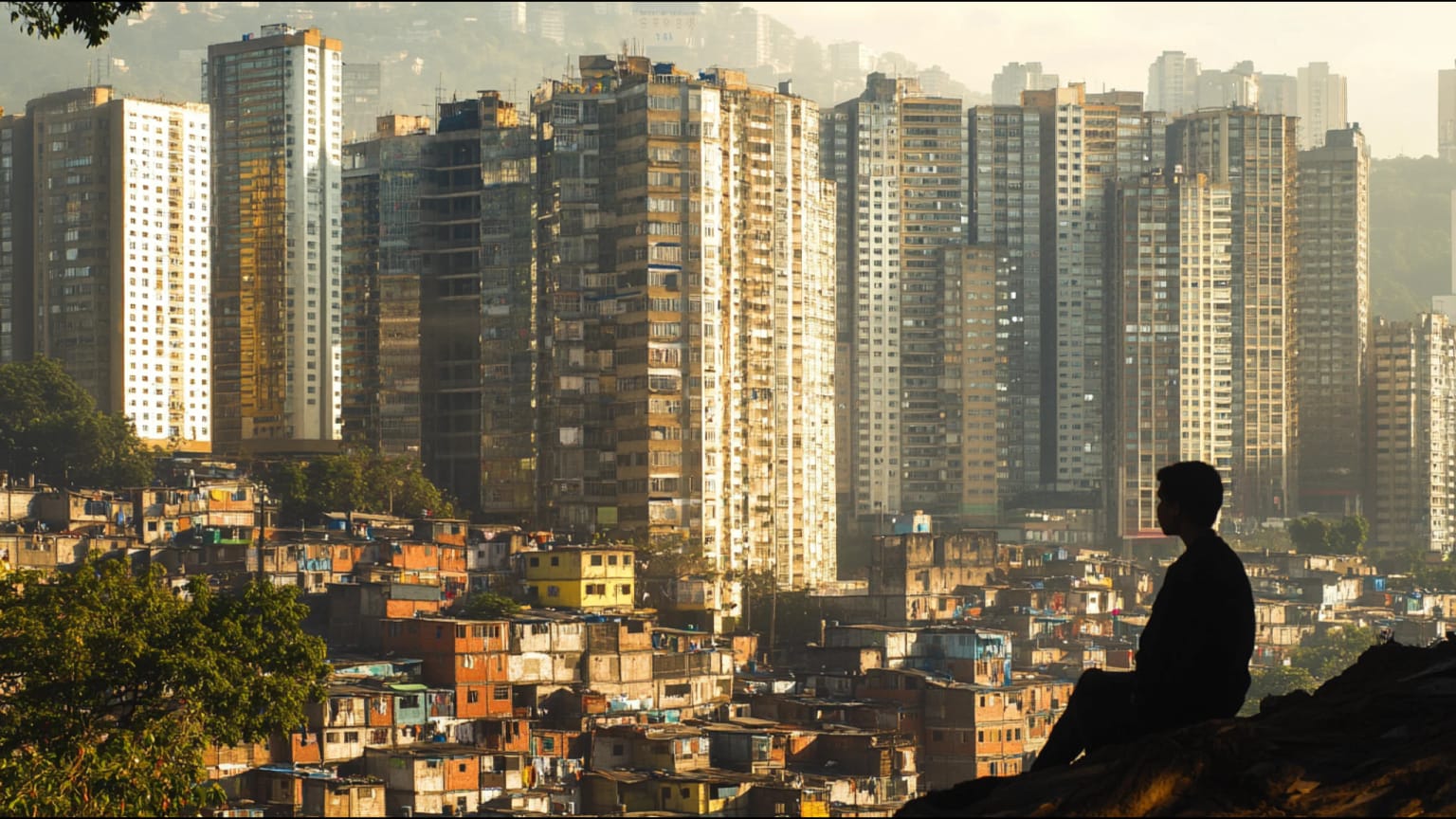
More than a billion people live in informal settlements—housing built without permits, often without tenure, frequently without services. By mid-century, that number could triple. UN-Habitat's approach to upgrading rather than erasing these neighborhoods offers a model for cities willing to see what already exists.
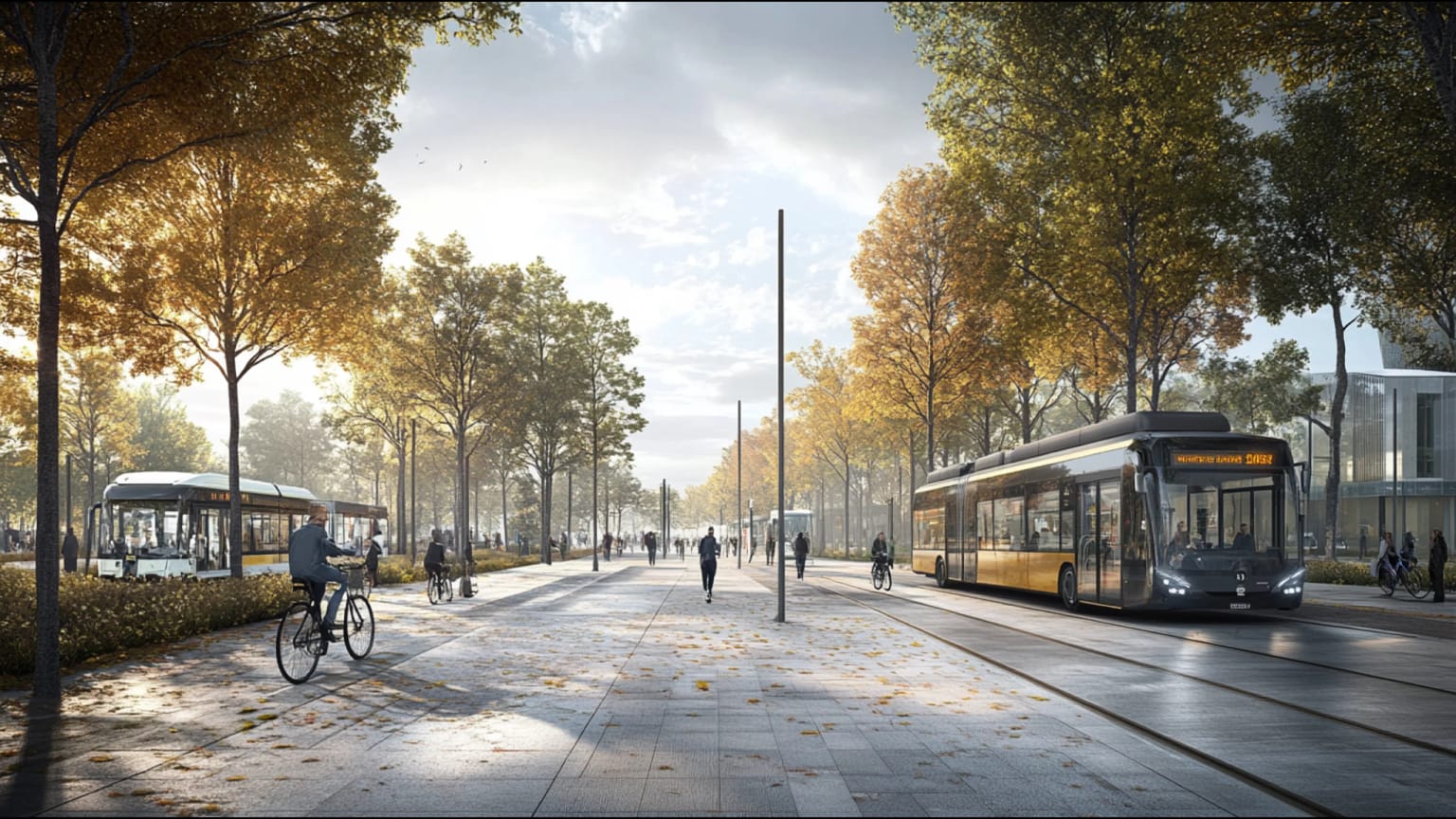
In December 2025, the United Nations launched the first-ever Decade of Sustainable Transport. With 70 percent of humanity projected to live in cities by 2050 and transport generating a quarter of global emissions, the next ten years will determine whether urban mobility becomes livable or lethal.
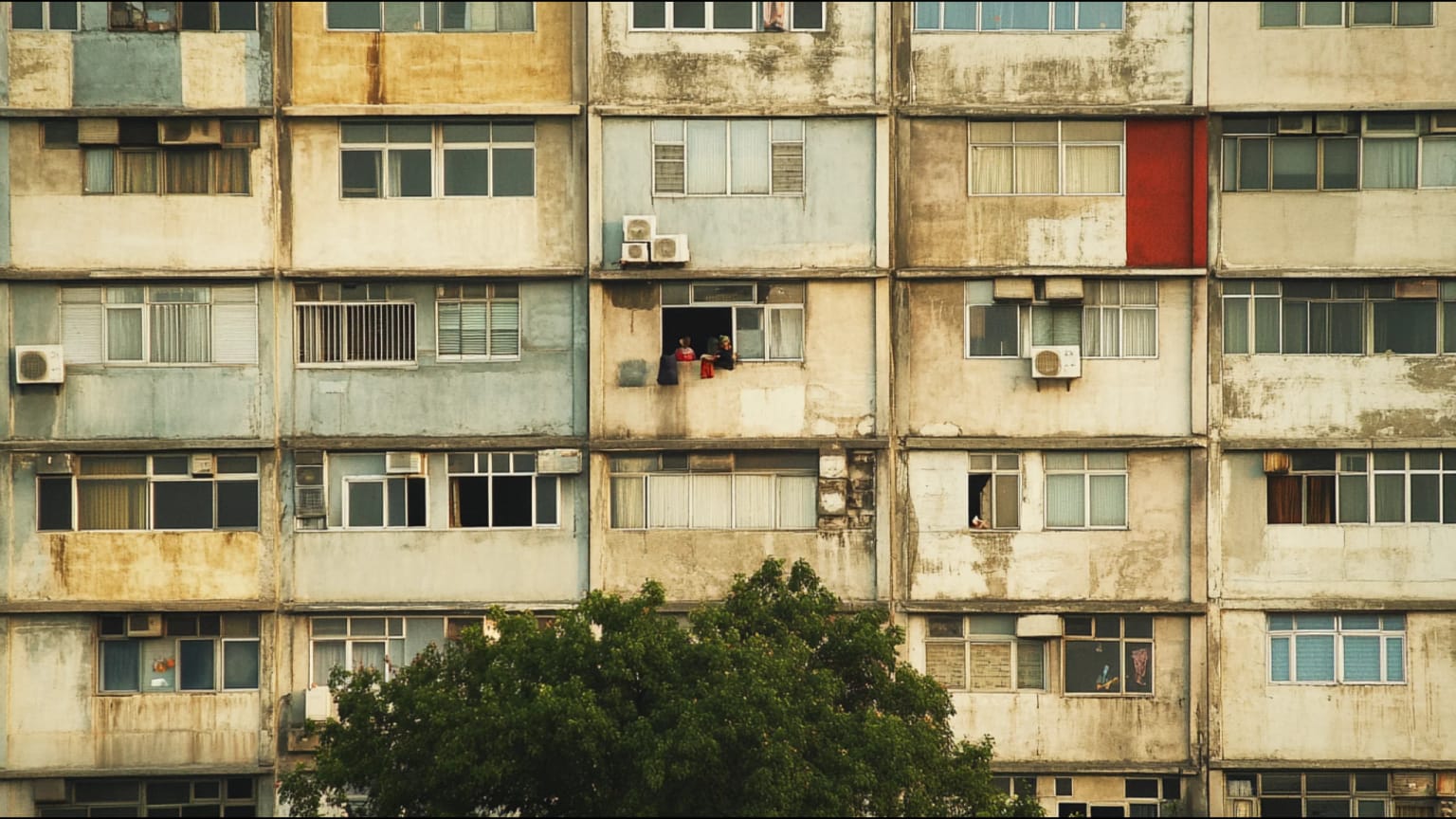
New flats are warmer, safer and more efficient than old ones — and often feel worse to live in. Windows, ceilings and corridors reveal the loss of spatial generosity after Art Nouveau and Art Deco, and why compliant housing can still be uncivilized.
For the first time in over two decades of tracking, not a single major housing market on the planet qualifies as affordable. Meanwhile, 2.8 billion people lack adequate shelter. This is the arithmetic of a crisis that urban policy has failed to solve—and a roadmap for what might actually work.
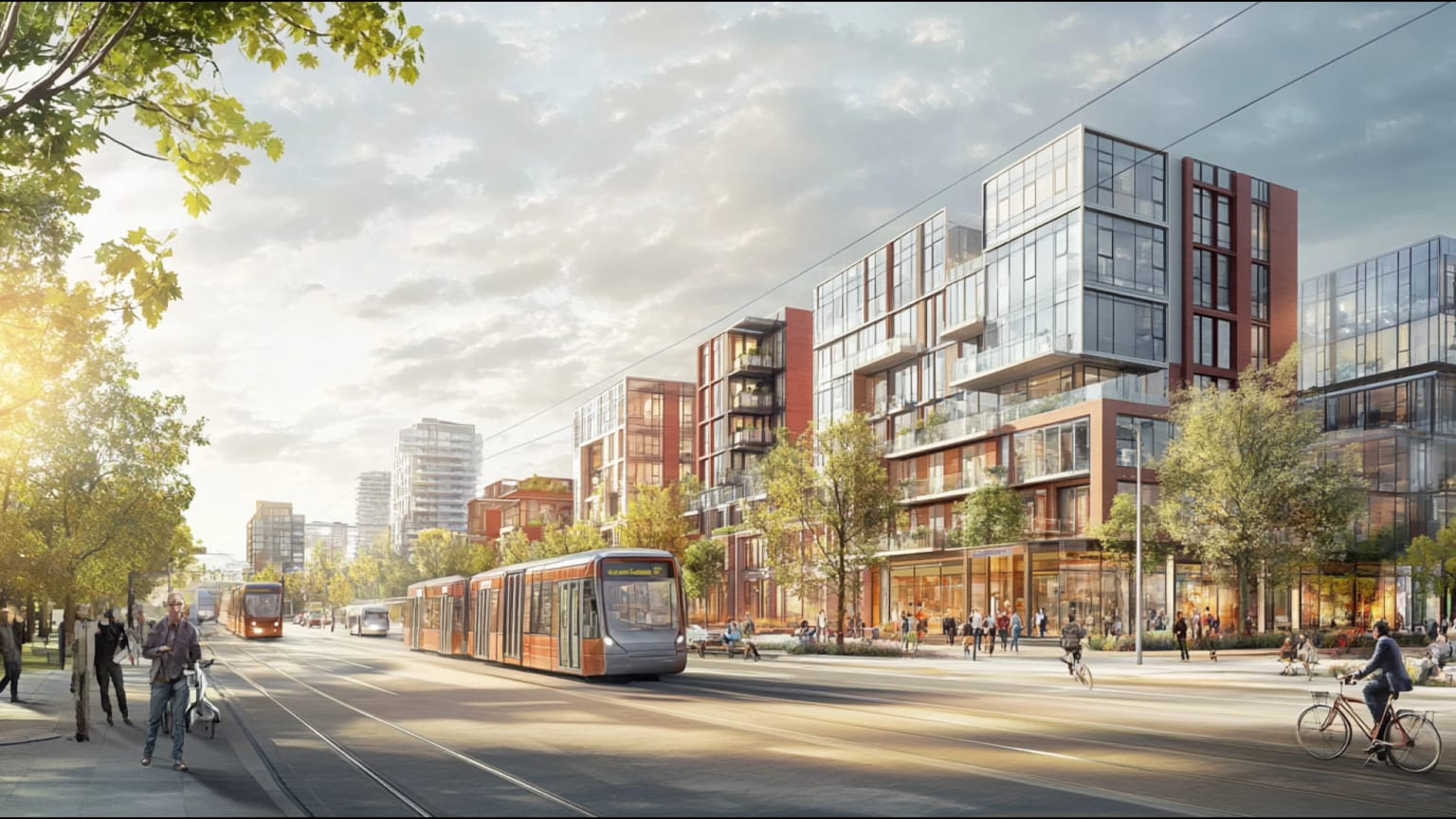
Five to eight storeys is the sweet spot for sustainable cities. Here's how Vienna, Vancouver, and Melbourne can build walkable, affordable, climate-conscious neighbourhoods without choosing between sprawl and glass towers.
Light, ceiling height, corridors, floor area — and the quiet dismantling of residential quality. When regulation becomes the ceiling instead of the floor, cities produce dwellings designed for minimum life.
The European flaneur is visual by definition. New Orleans refuses that hierarchy. There, walking is never only optical -- the city reaches the body through sound, and urban knowledge begins in surrender.
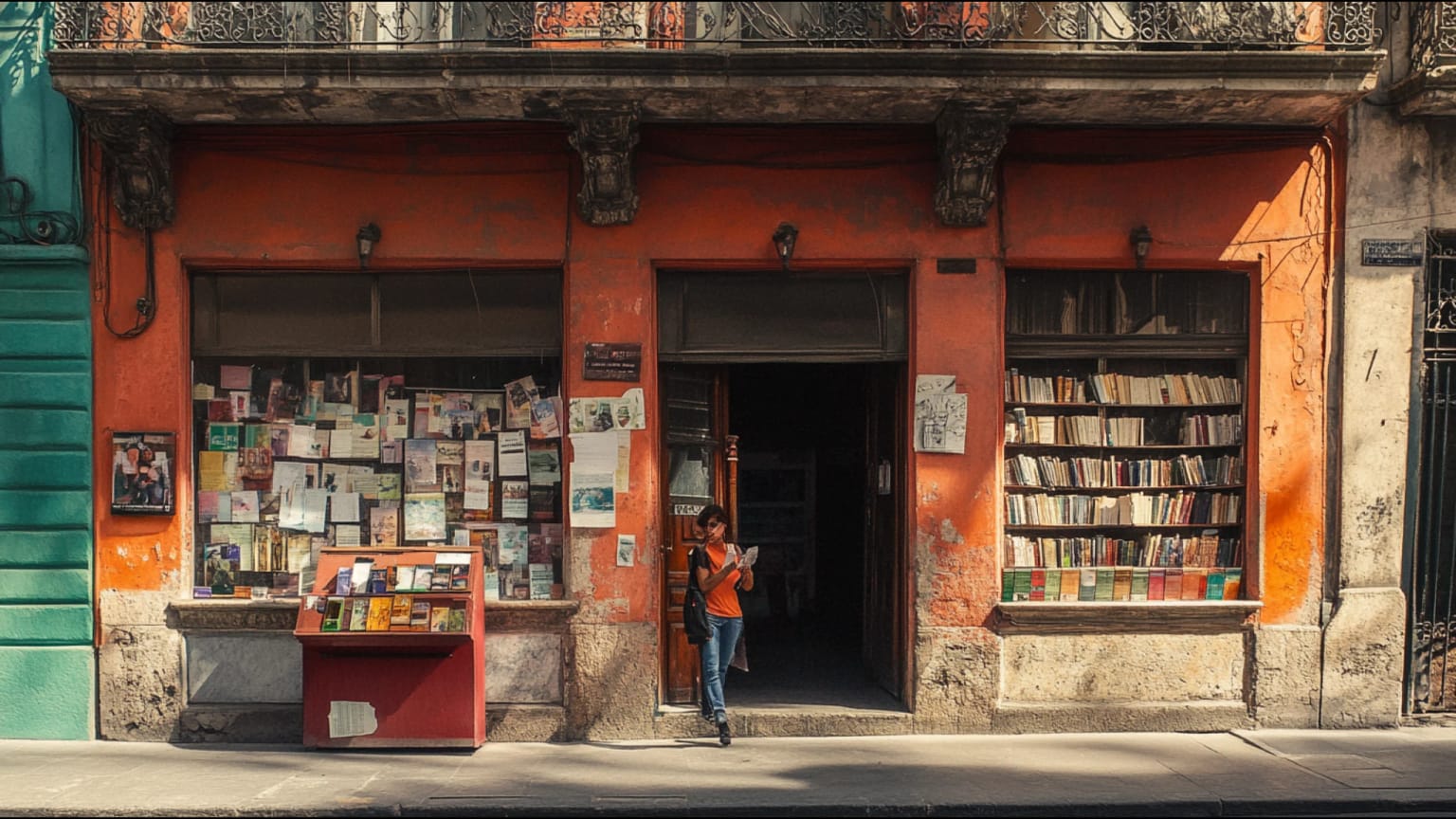
In Latin America, the city refuses to remain merely spatial. Borges mapped Buenos Aires through memory; Monsivais catalogued Mexico City as it disappeared. Both cities demand a walker who is also a reader of time.
Pessoa walked Lisbon as four different people. The city's hills make every perspective partial -- you cannot see it whole. Walking here becomes an act of multiplication, not mere observation.
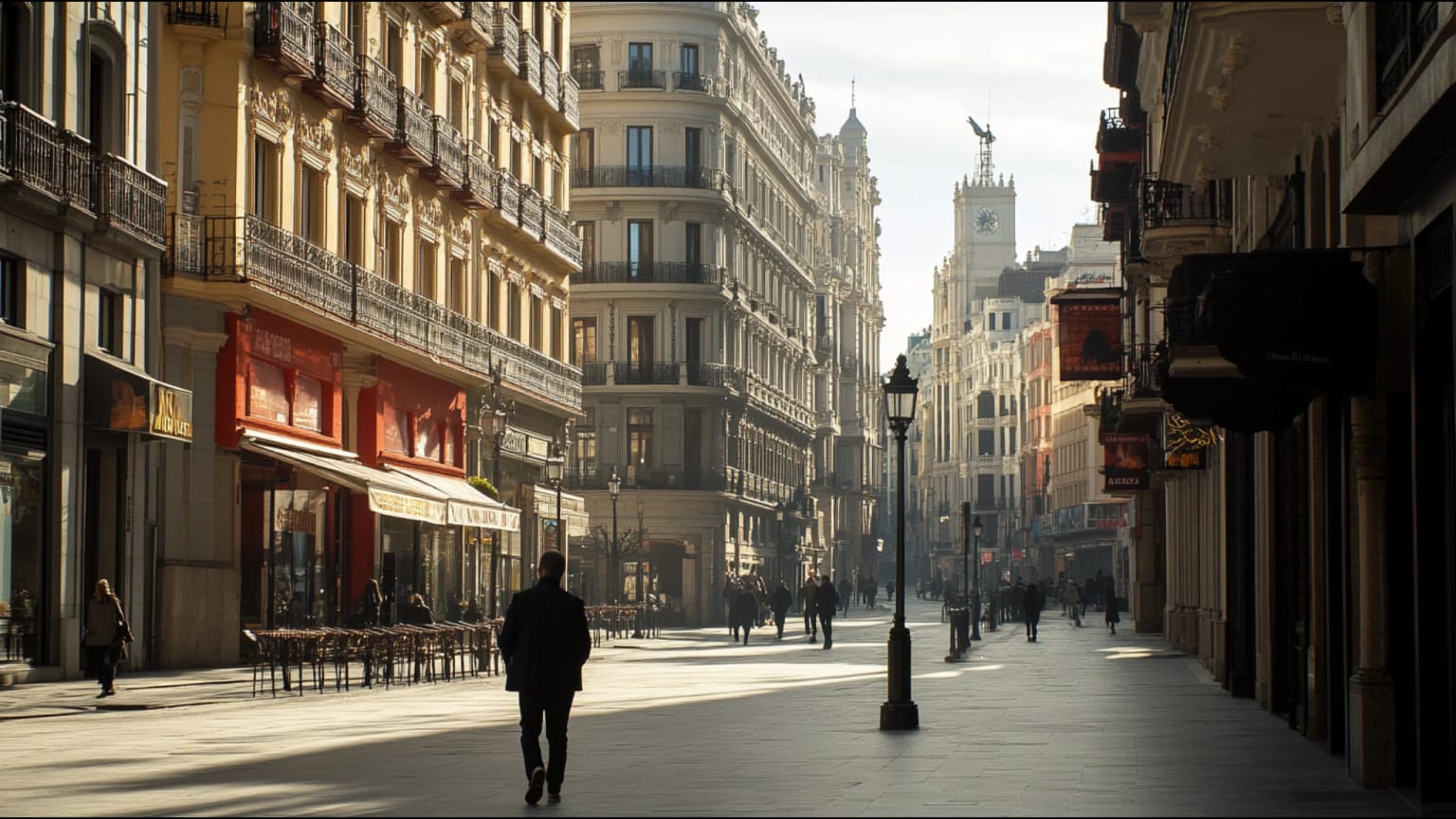
In Madrid, walking was never innocent. From Galdos mapping class fault lines on foot to Gomez de la Serna collecting absurdities from cafe windows, the city demands a stance from anyone who dares traverse it.
From HafenCity to Bologna's porticoes, the sustainable city is emerging in fragments. Here's an attempt to write it as law: mid-rise blocks, climate-savvy façades, and the return of the portal.
Madrid installed thousands of Bluetooth beacons in its underground highways, allowing navigation apps to continue guiding drivers where GPS fails. It's a small technical fix with profound implications for how cities and digital platforms negotiate urban space.
By 2050, the number of urban poor facing dangerous heat could increase by 700 percent. Cities are becoming heat engines, and the burden falls hardest on those least able to escape. A UNEP analysis of why cooling has become a matter of life and death—and what 185 cities are doing about it.
UNEP's 2025 Adaptation Gap Report puts the number at $310 billion per year by 2035—the cost of protecting developing countries from climate impacts they did little to cause. Current finance flows are a fraction of this. Cities are adapting anyway, with whatever resources they can find.
Two concrete scars bisect the heart of New Orleans. A radical plan to remove the Claiborne and Pontchartrain expressways could heal the wounds of mid-century urban planning—or repeat its mistakes.
From Barcelona to Moscow, Europe's great cathedrals structured urban life through sacred architecture—organizing commerce, ritual, political power, and collective memory across centuries.