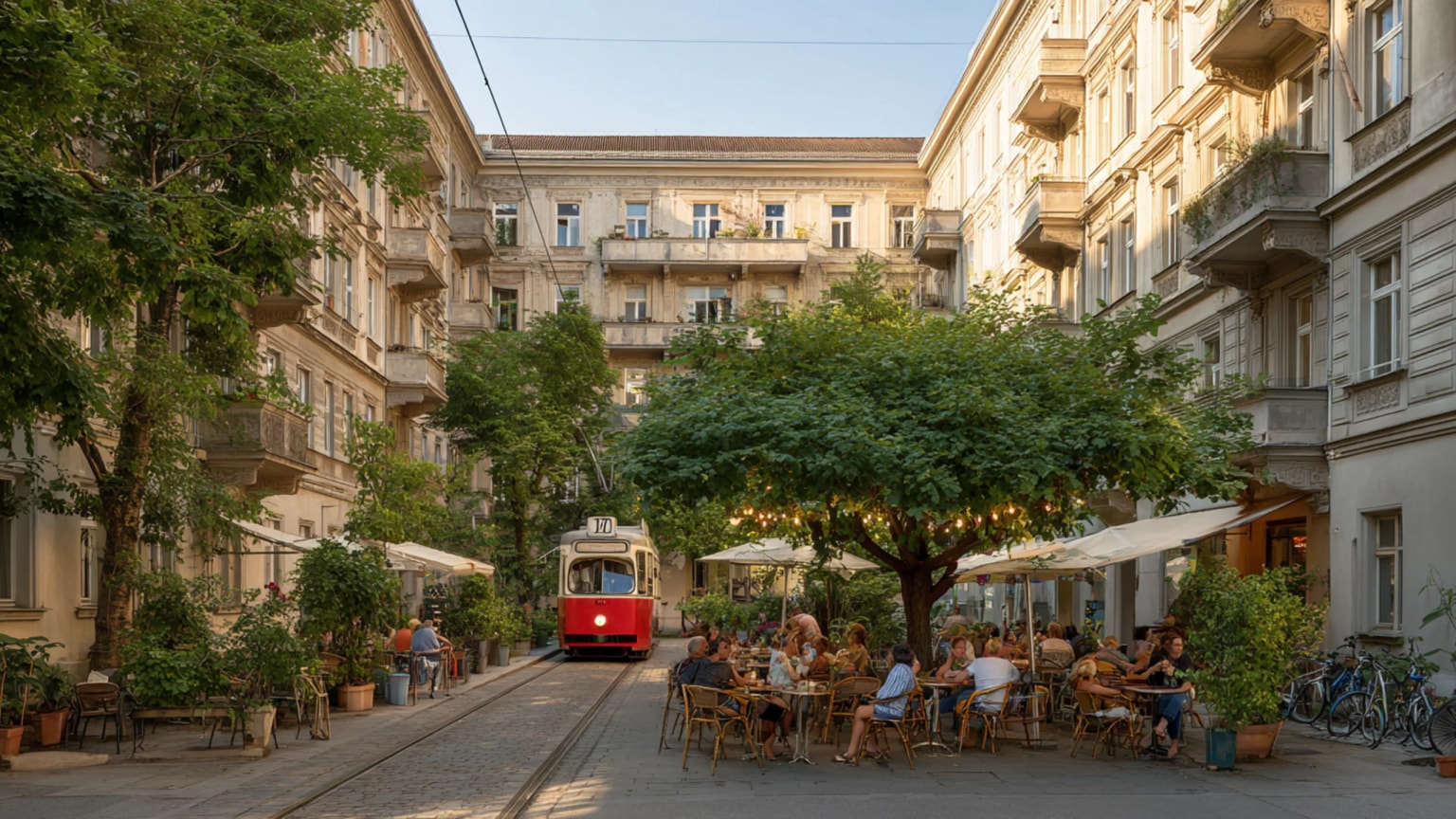
The Public Promise: Vienna and the Living City Review
Vienna is not the loudest great city. It is the one that most convincingly turns public power into ordinary urban ease.

Key Insights
Essential takeaways from this chronicle
Vienna finishes 1st with an adjusted score of 87.0, the label Gold Habitat, and the clearest claim in the table that housing, transit and civic competence can still form one public promise.
Point 1 of 4Housing is the city's decisive advantage: 13 out of 14, the strongest shelter score in this top tier, built on municipal and limited-profit stock rather than market luck.
Point 2 of 4Daily life scores 12.5 out of 14 and health 11 out of 12, showing how ease of movement and a strong social floor descend into the weekday.
Point 3 of 4Vienna takes no shadow penalties at all. That is rare in this ranking and says as much about structural discipline as beauty.
Point 4 of 4
The Public Promise: Vienna and the Living City Review
Along the Ringstrasse and far beyond it, the city holds a line that many richer, louder, supposedly more dynamic capitals have lost. The blocks are tall enough to make a street, not so tall that the street becomes a trench. Shops still sit near front doors. Parks are not decorative apologies. Housing policy is not a press release. Vienna can feel almost unfashionable in the precision of its public seriousness. That is one reason it comes first.
Another is rarer still: in our dataset Vienna takes no shadow penalties at all. No housing extraction deduction, no governance-theatre deduction, no tourism subtraction. That does not mean it is pure. It means the city's structural weaknesses have not yet hardened into the kind of betrayal that forces us to cut the score after the fact. In a century of urban backsliding, that is a serious achievement.
⸻
1. The verdict in one sentence
Vienna shows how housing, transit, and urban form can be made to work as one public promise rather than three separate policy failures.
⸻
2. Scorecard
| Criterion | Score |
|---|---|
| Daily life and human scale | 12.5 / 14 |
| Housing dignity and social access | 13 / 14 |
| Climate resilience and ecological intelligence | 10.5 / 13 |
| Health, safety and social floor | 11 / 12 |
| Civic competence and institutional trust | 9 / 10 |
| Work, learning and economic openness | 7 / 9 |
| Culture, street life and everyday pleasure | 8 / 9 |
| Beauty, memory and urban form | 7.5 / 8 |
| Freedom, pluralism and belonging | 6 / 7 |
| Global usefulness without self-destruction | 2.5 / 4 |
- Raw score:
87.0 / 100 - Shadow penalties applied:
none - Adjusted score:
87.0 / 100 - Rank:
1 / 36 - Label:
Gold Habitat
⸻
3. Best for
Vienna is best for families, renters who want a city rather than a commute, walkers, tram people, library people, public-school believers, and anyone who thinks the mark of civilization is whether a nurse can still live inside it. It also suits the ageing without humiliating them and the bookish without forcing them into elite enclaves. For founders chasing speed or artists seeking maximum chaos, other cities have a hotter pulse. For building a whole life, Vienna is hard to argue against.
⸻
4. The city's genius
Vienna's genius is that it socializes urban quality instead of reserving it for the lucky.
Many cities manage one part of the equation. They provide beautiful old blocks but let housing become a speculative furnace. Or they build social housing but maroon it in dead districts. Or they run good transit through a city whose land market quietly evicts the people meant to use it. Vienna still treats these as one system. Its dataset basis notes say it plainly: trams, rail, walkable districts and dense mid-rise fabric make car-light life easy; municipal and limited-profit housing, rent regulation and family-sized stock make it one of the strongest shelter cities in the group; planning and maintenance still work across long time horizons.
That is why the city scores 12.5 for daily life, 13 for housing, 11 for health and 9 for governance without seeming like four unrelated achievements. They are expressions of the same civic instinct: the city should not merely host life; it should make life easier to assemble.
Even Vienna's beauty has this quality. The boulevards and blocks dignify movement, yes, but they also clarify the city. A person can read Vienna. The street explains itself. You do not need a private car or a private fortune to decode how to live there.
⸻
5. The city's wound
Its wound is not spectacular failure but the risk of formal success becoming a little too formal.
Vienna is more open than many conservative admirers want to admit and more regulated than its admirers sometimes forget. It scores 6 rather than 7 on freedom because public life, while broadly safe and plural, can feel more composed than improvisational. The city makes belonging easier than most, but it does not always make social looseness feel abundant. The entrepreneurial edge is calmer too, which is why economy sits at 7 rather than the higher numbers earned by harsher but more feverish hubs.
There is also a future pressure embedded in the ecology score of 10.5. Vienna is green, serious and transit-oriented, but hotter summers and uneven urban cooling are already nibbling at the old continental comfort. The city is not failing climate adaptation. It is simply no longer allowed the illusion that old European stone automatically means climatic mercy.
If our model is slightly generous anywhere, it may be here: competence is real, but competence can hide friction felt more sharply by immigrants, younger households and those who find the city's social codes polite but closed.
⸻
6. Neighbourhood test
If we were choosing a life rather than admiring an image, we would begin in Leopoldstadt, Wieden, Alsergrund and parts of Neubau.
Leopoldstadt has the great Viennese combination of ordinary usefulness and civic relief: local streets, transit, schools, the Prater close by, Augarten not far, room for a child to become a walker. Wieden is slightly more composed, good for those who want elegance without surrendering the weekday to performance. In Alsergrund the institutional city and the residential city still meet cleanly: universities, hospitals, trams, parks, apartments. Neubau is livelier, denser in shops and culture, and one of the better tests of whether Vienna's public order can still hold onto delight.
Where would we read? In Alsergrund or Neubau. Where would we raise a child? Leopoldstadt first, then Wieden. Where would we test the city's promise to the ordinary household? Not on the imperial facades, but on the route between a tram stop, a school gate, a courtyard block and a supermarket on a wet Tuesday.
This is also where one could argue our 13 for housing is a touch generous. The city's structure remains exemplary, but not every desirable district feels easy, and waiting, eligibility and access still sort experience. Vienna is first because it is better organized than its peers, not because it is utopia.
⸻
7. 2035 trajectory
Stable, with the chance of improving if it keeps treating heat and housing as linked questions.
Vienna's great advantage is institutional memory. It already knows how to build, maintain and regulate in the public interest. That makes it less likely than many rivals to drift into governance theatre or prestige urbanism. If the city extends its housing discipline, preserves its mid-rise social fabric and cools the hotter districts with the same seriousness it once brought to transit and shelter, it can remain the model great cities grudgingly study.
But stability is not automatic. The housing system must stay large enough to discipline the market rather than merely soften it. Climate adaptation must move from park rhetoric to block-by-block cooling. And Vienna must remain socially open enough that public order does not harden into cultural stiffness.
Still, the baseline is unusually strong. Many cities in 2035 will be asking how to recover functions Vienna never fully surrendered.
⸻
8. Final line
Vienna is a tram bell carried through a city that still believes public life should be durable, legible and shared.
Continue Reading
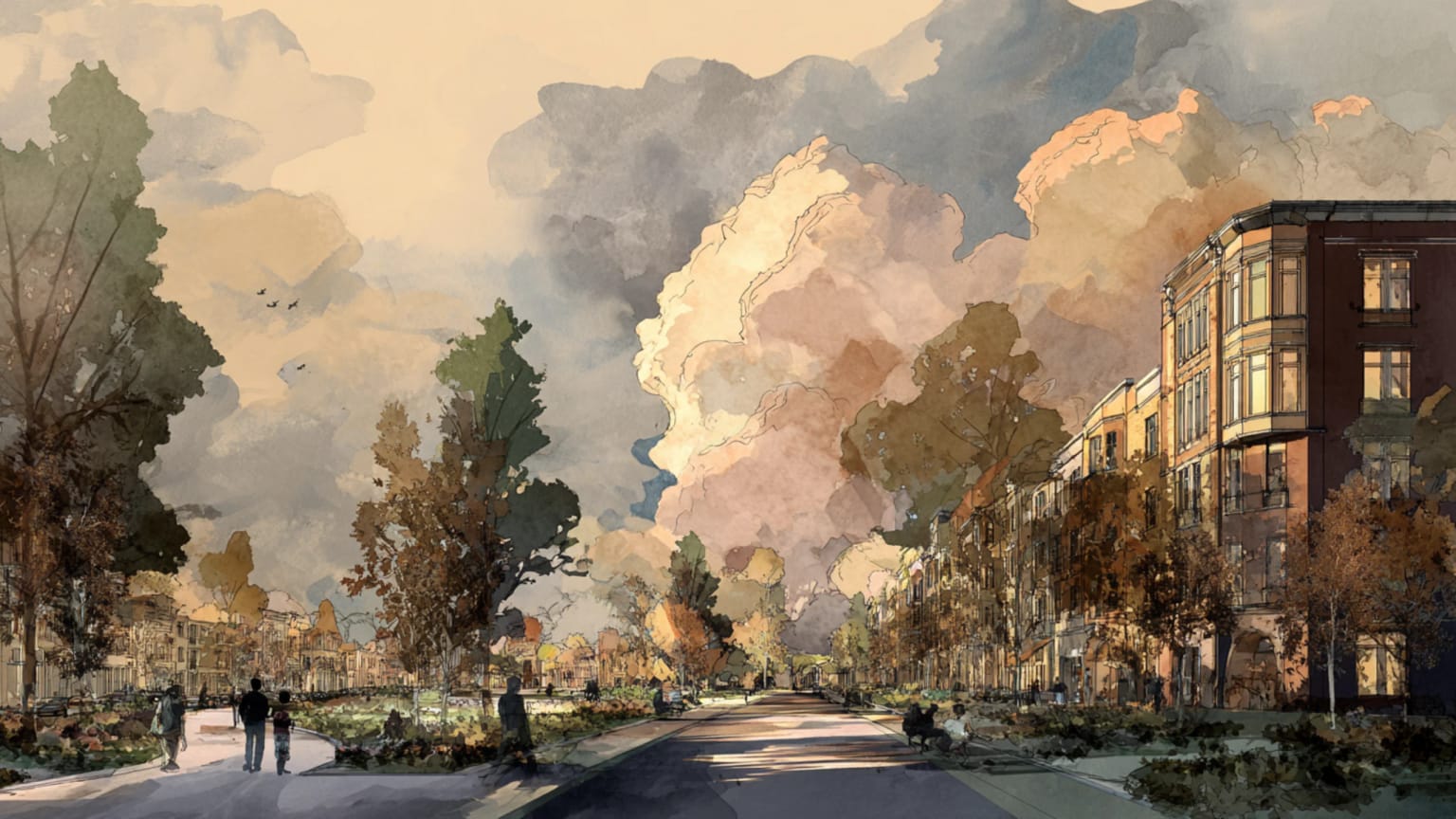
The View from Below: How London Mistook Skyscrapers for Density
London spent twenty years building upward in the name of the compact city. From the pavements of Shoreditch the arithmetic looks different: the tower privatises the panorama and socialises the silhouette.
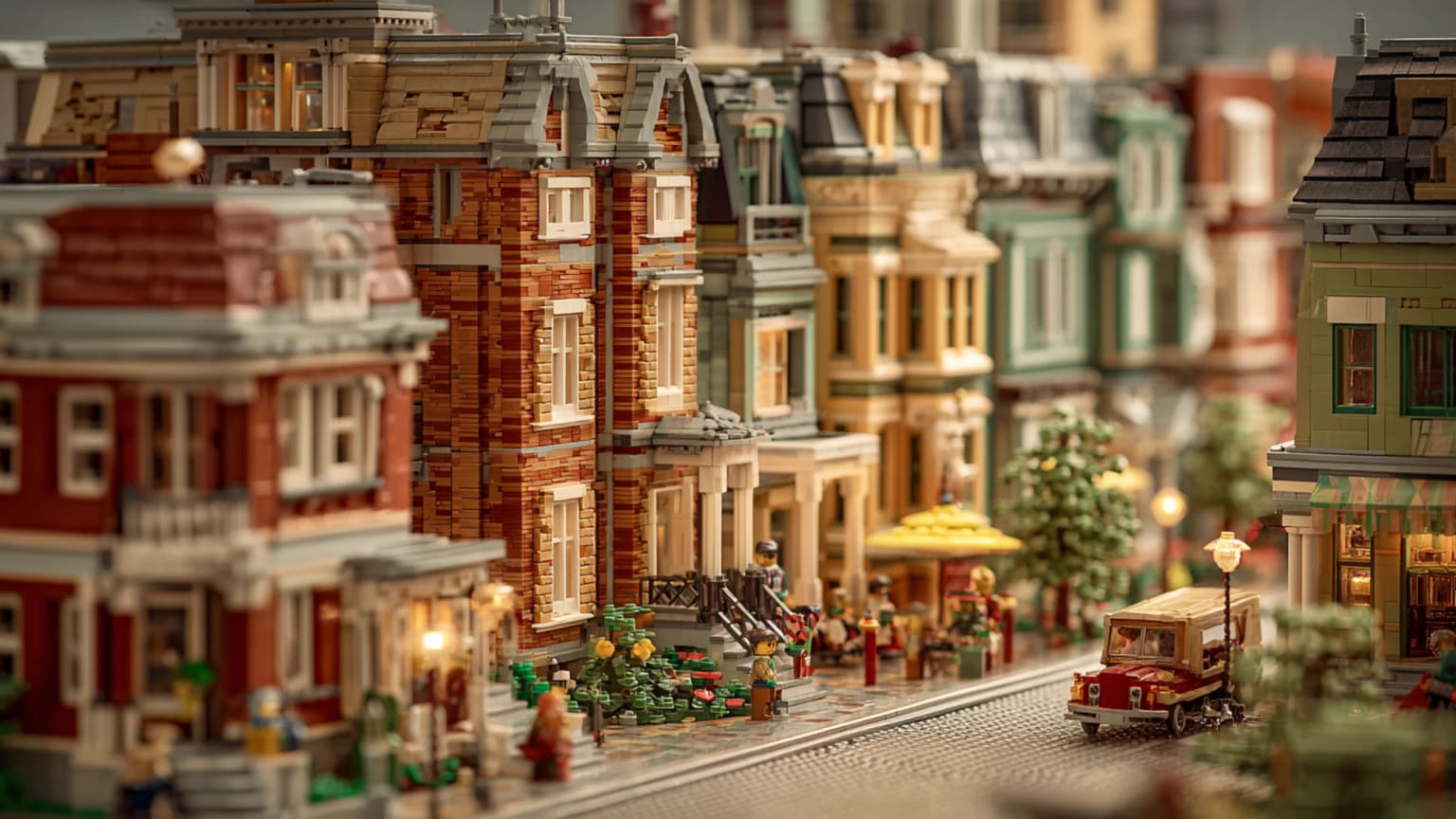
The Los Angeles That Almost Learned to Walk
In 1930, a regional parks plan and an electric rail network could have made Los Angeles a polycentric, walkable, tram-linked metropolis. The city commissioned the plan, then put it in a drawer. This is the anatomy of a choice, not a fate.
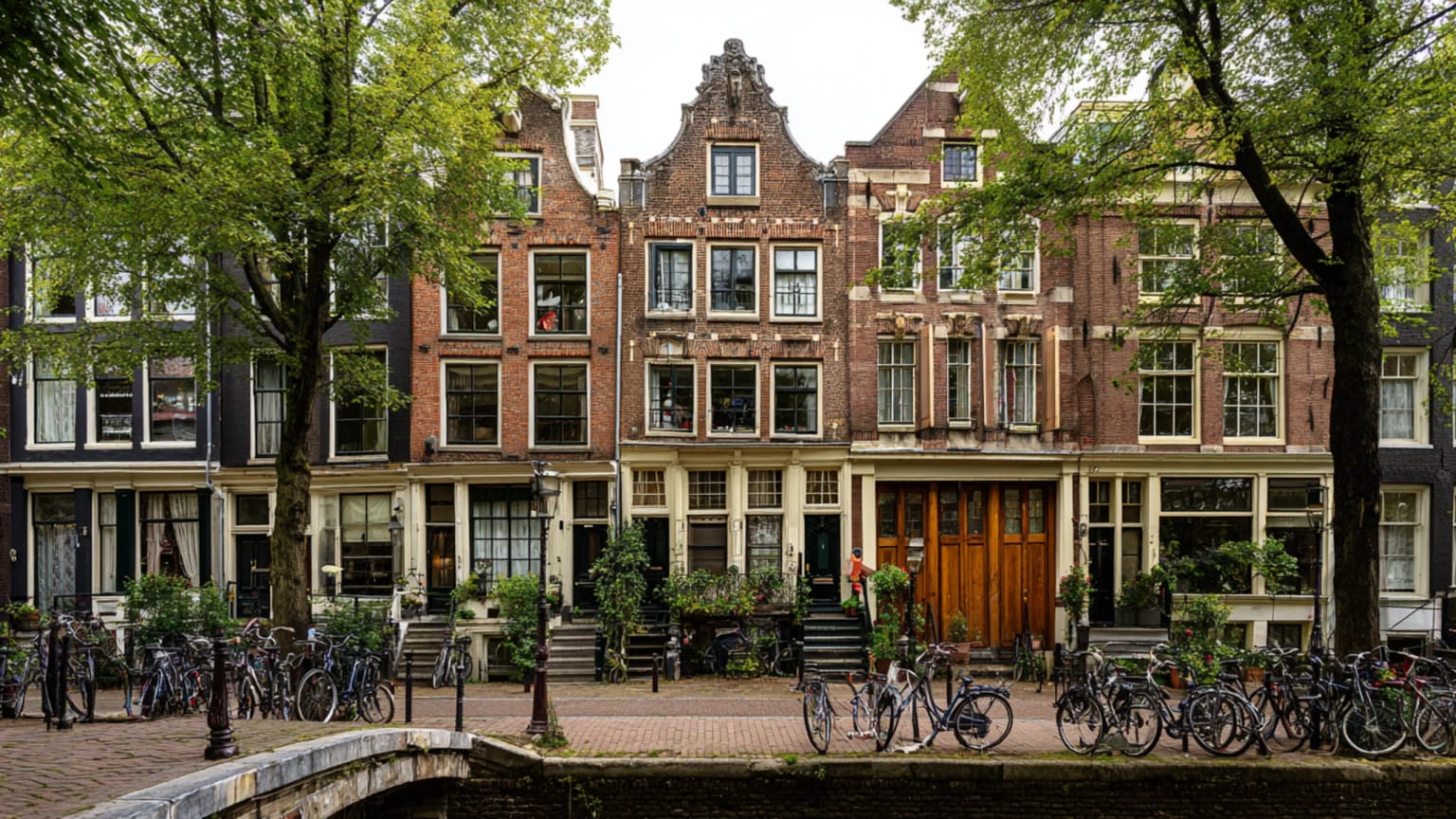
Canals Under Pressure: Amsterdam and the Living City Review
Amsterdam ranks 10th in The Living City Review 2026 with an adjusted score of 76.5. It remains one of Europe’s finest cities for daily life, but housing scarcity and tourism pressure have turned beauty into a harder civic bargain.