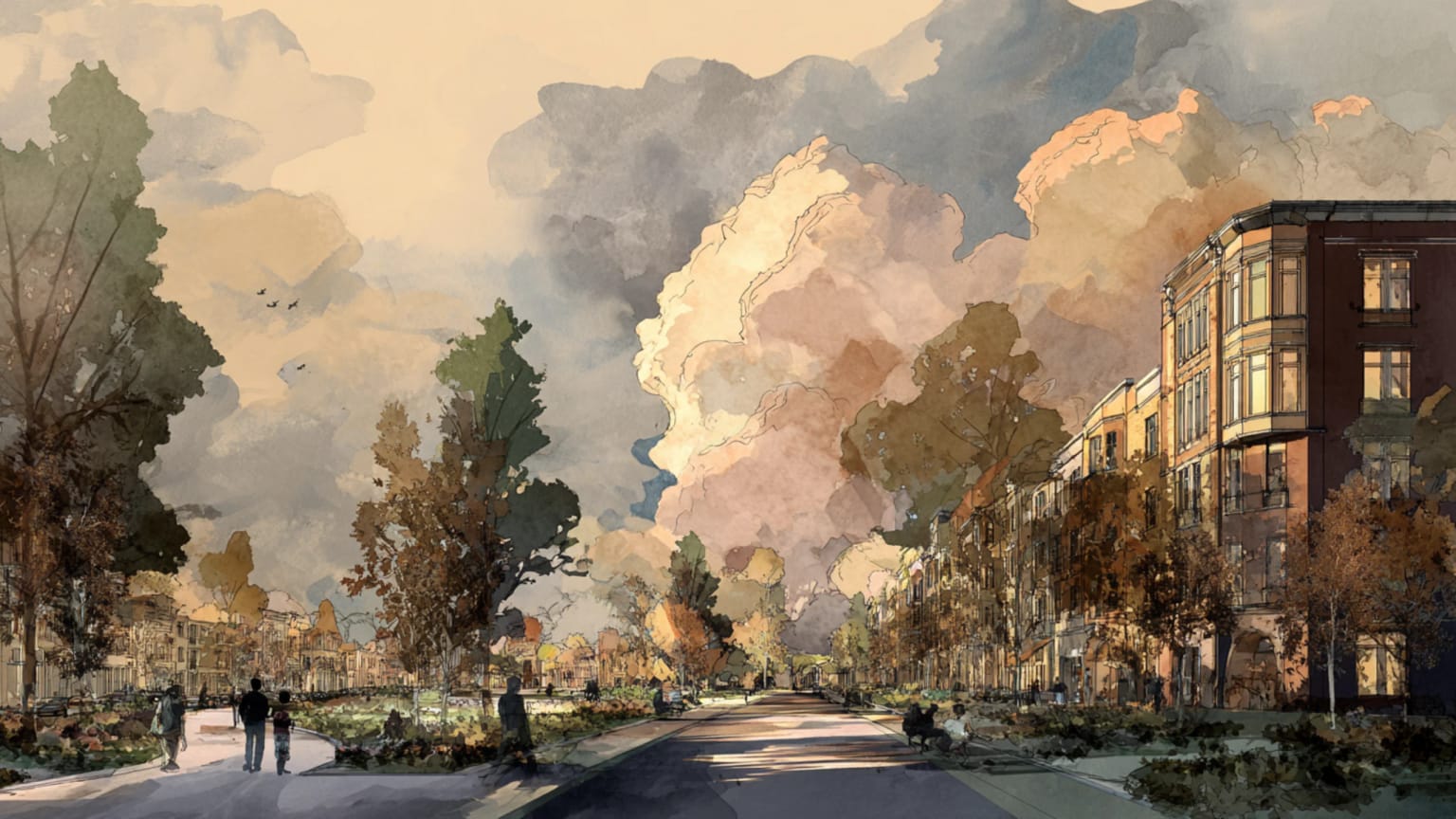
The Los Angeles That Almost Learned to Walk
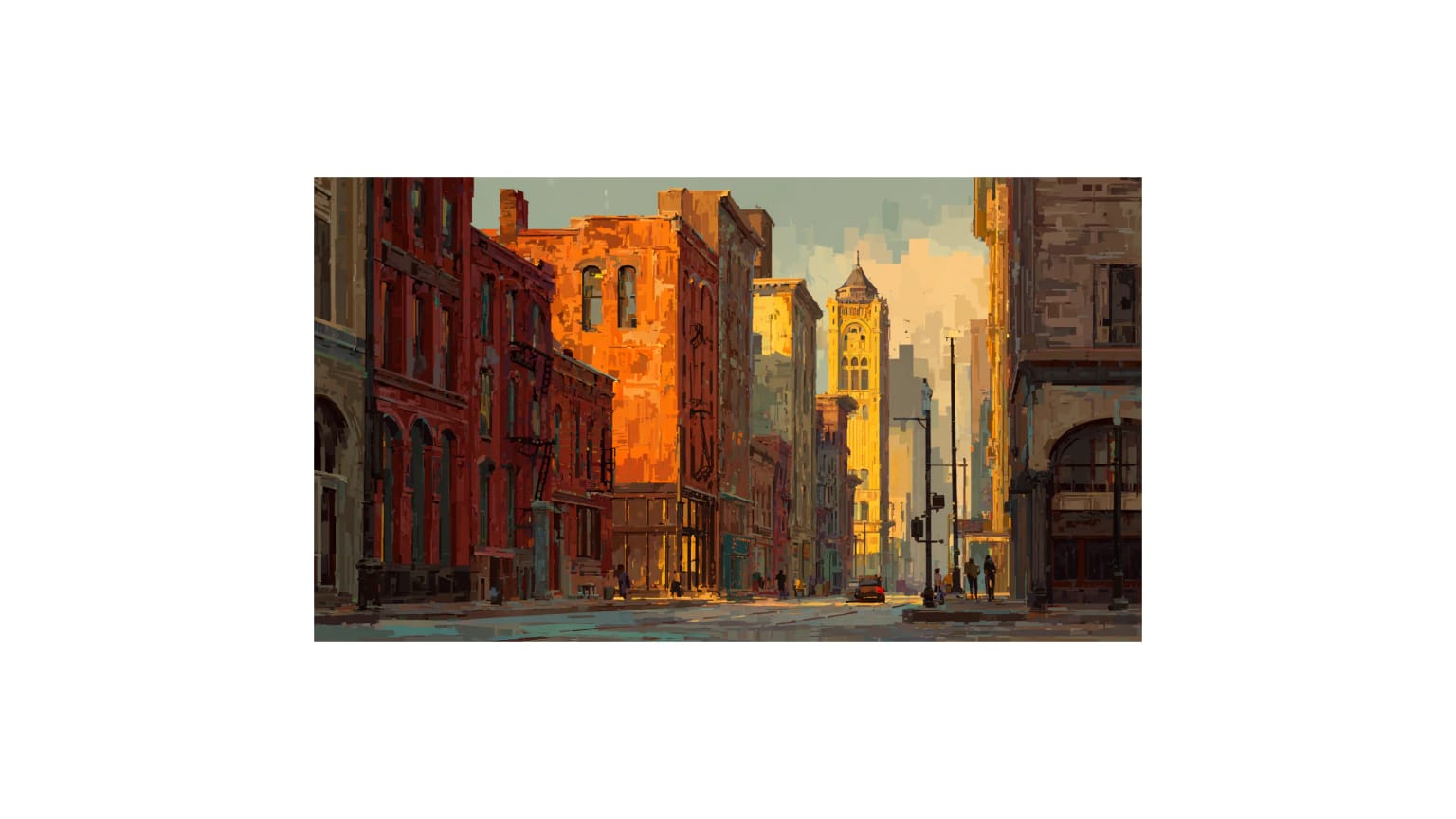
Parks, rivers, streetcars — and the strangled city plan of 1930. Los Angeles is often treated as if its car-dependence were destiny. It wasn't. It was a decision, made and remade for a century.
The Atlas Urbium editorial collective examines urban planning, infrastructure, and city transformation through data-driven journalism and lyrical narrative. We believe cities can be understood, improved, and reimagined.

Parks, rivers, streetcars — and the strangled city plan of 1930. Los Angeles is often treated as if its car-dependence were destiny. It wasn't. It was a decision, made and remade for a century.

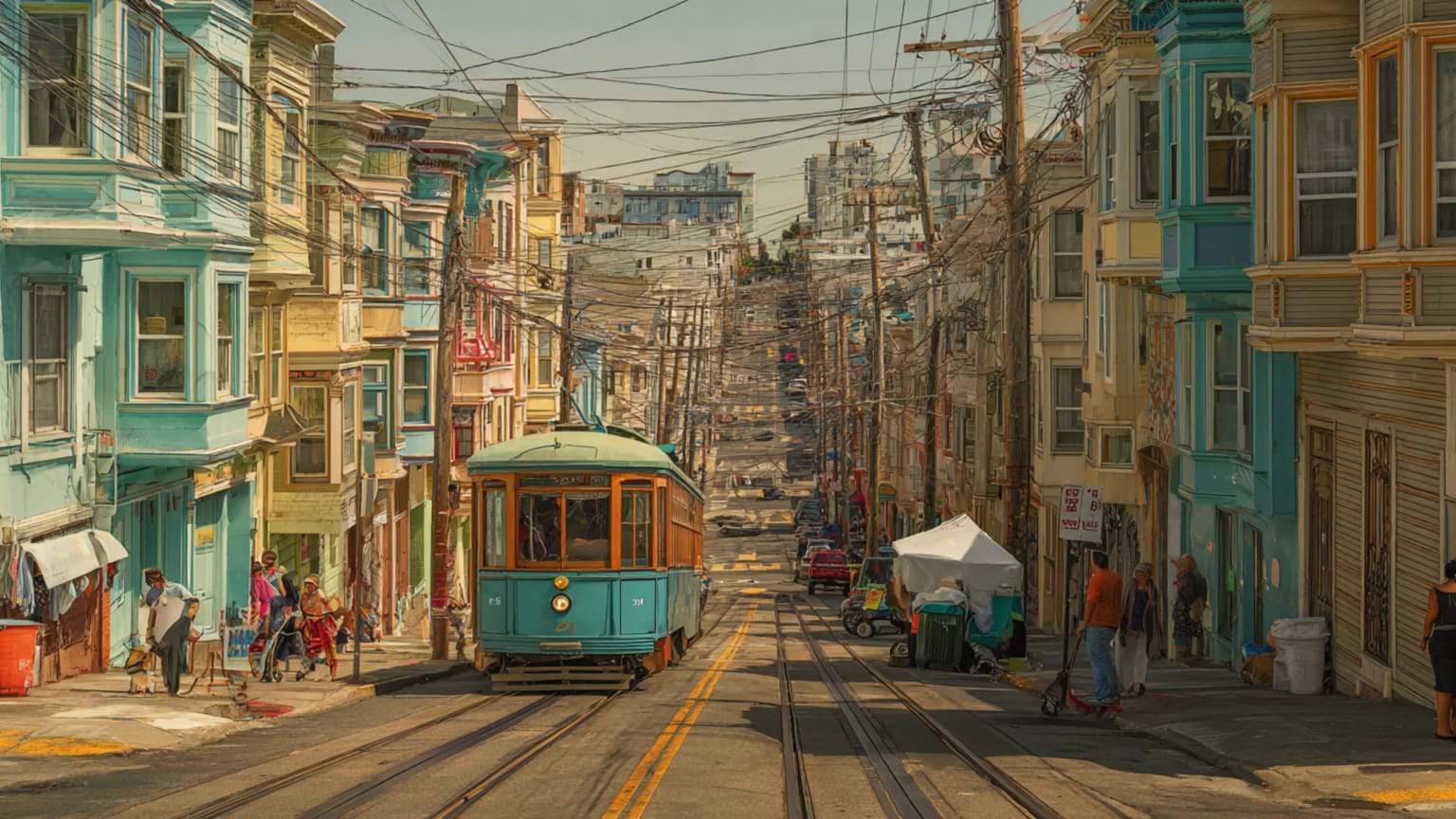
A city of bicycles, brick, water, and permission — still magnificent at the scale of the day, less generous than its myth at the scale of belonging.

Most rankings measure cities as platforms — for capital, tourism, corporations, airports. We measure them as habitats. Which cities let an ordinary, engaged person actually live well?

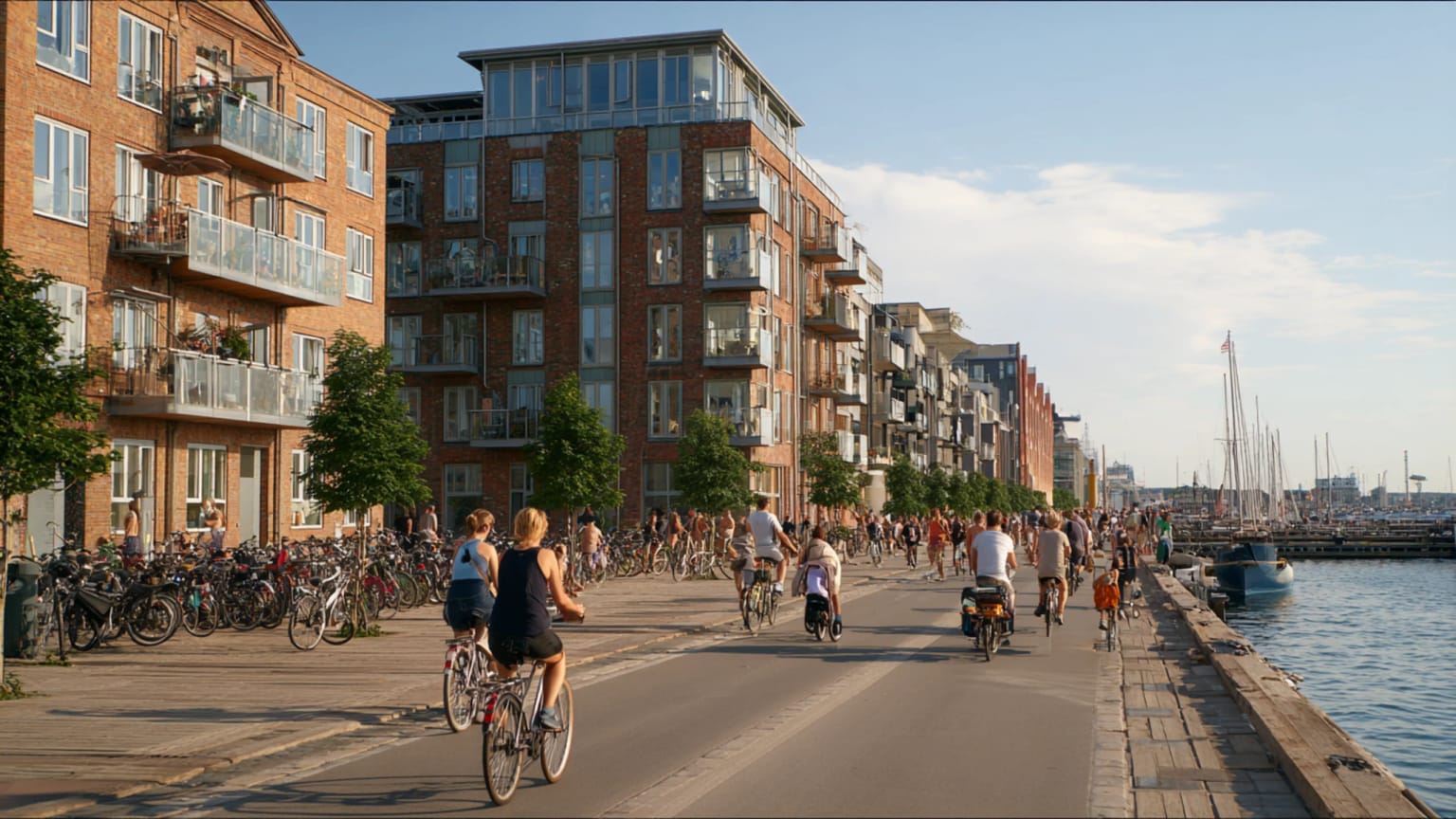
Copenhagen turns dignity into routine. The harder question is whether rising housing pressure will thin that achievement from within.

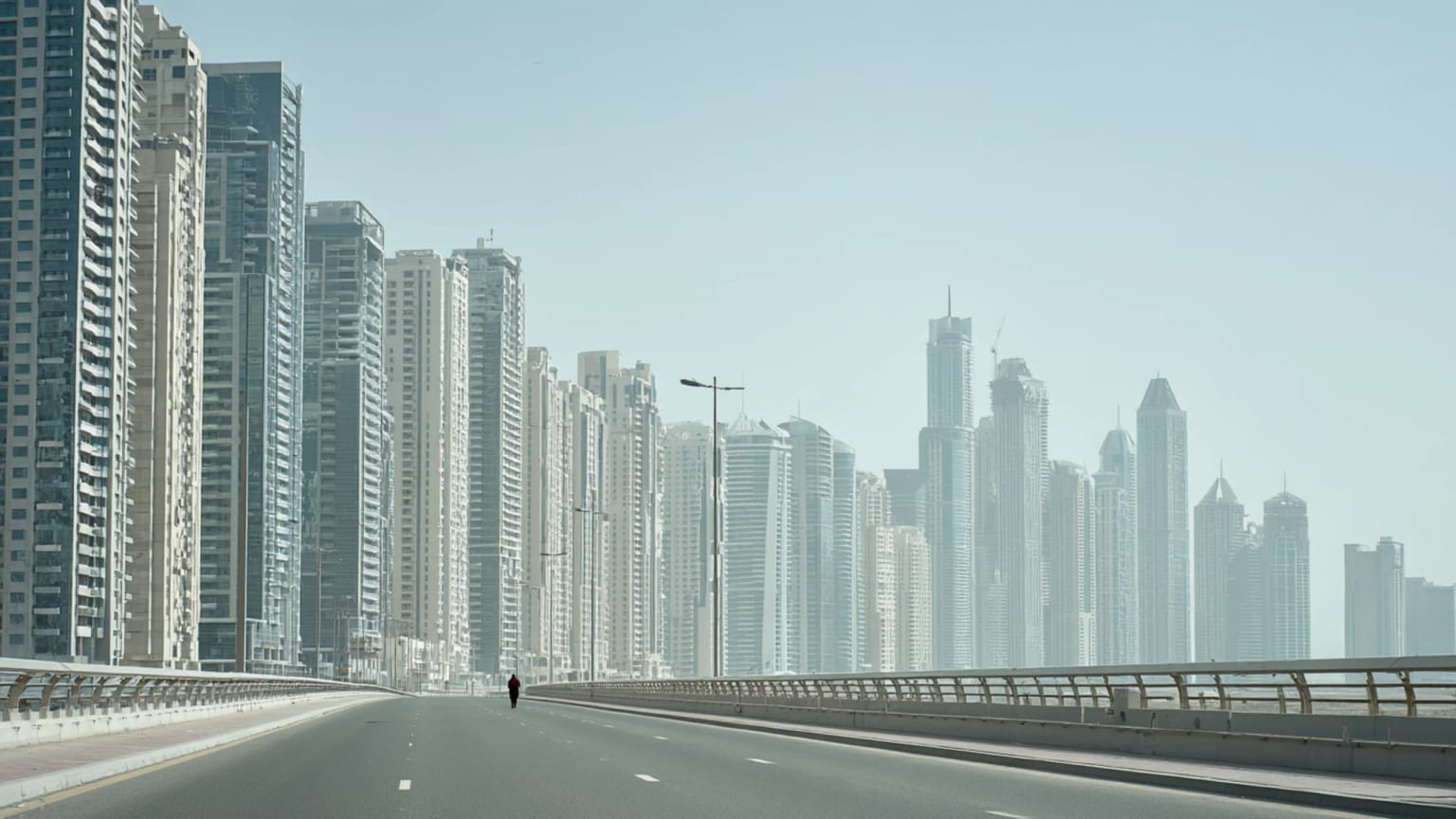
A city can move capital brilliantly and still fail ordinary life. Dubai is the sharpest proof in this series.

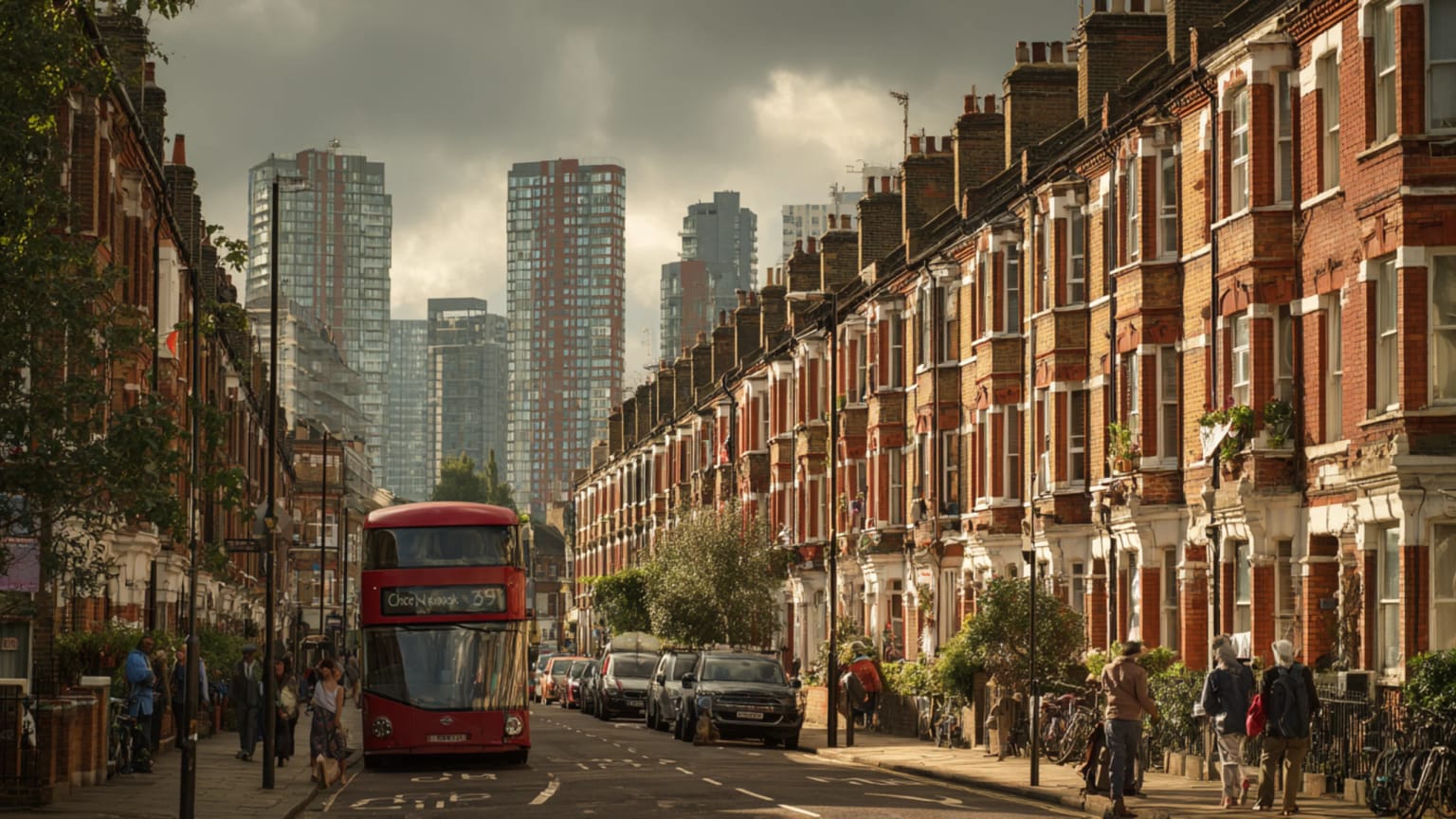
London still gives back immense urban life, then sends the bill. A great city remains great here, but not gently.

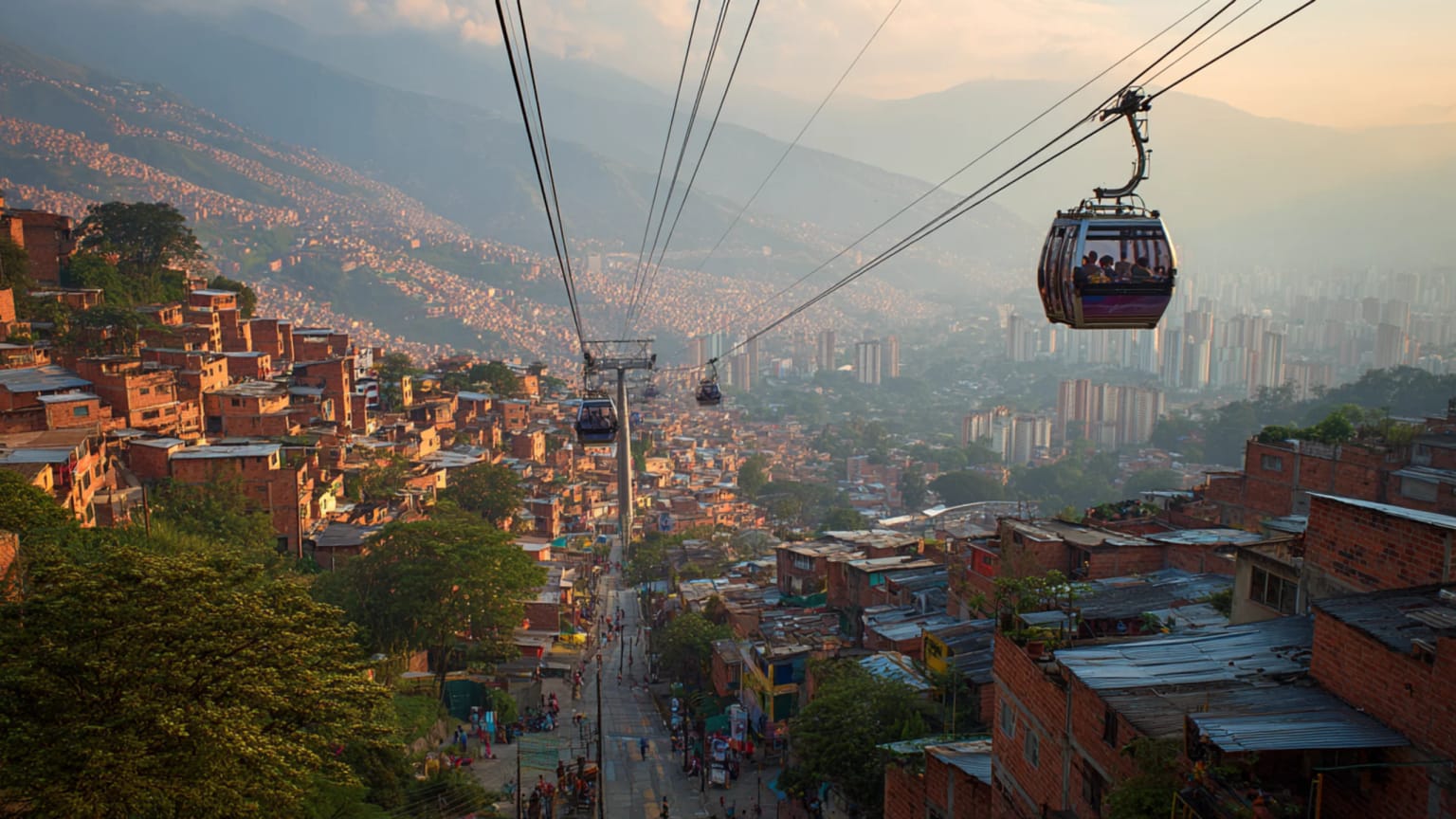
Medellín has earned its hope honestly. The city’s social urbanism changed the terms of life, not enough yet to make the valley equal.

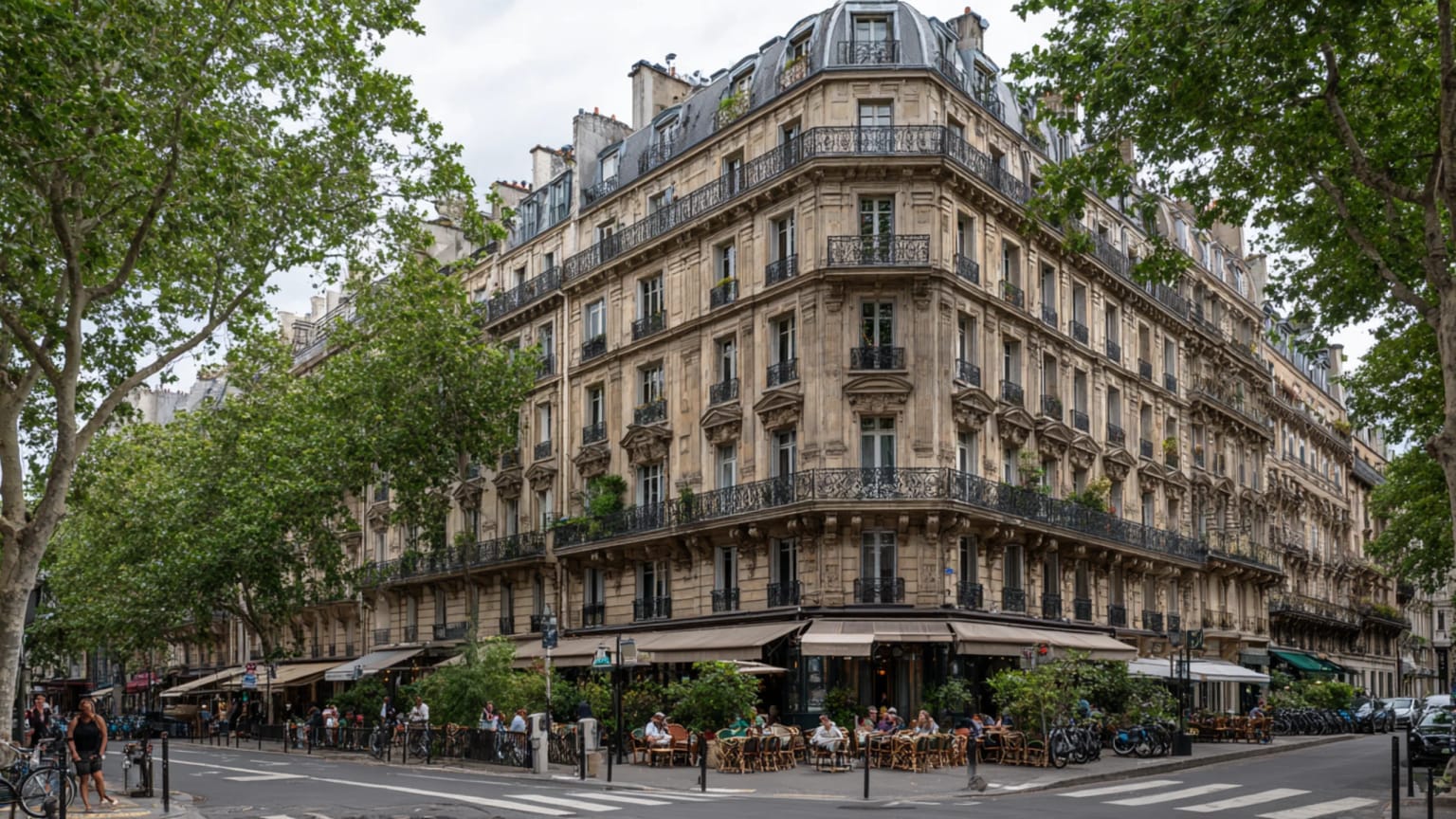
Paris still lets beauty descend into the weekday. It also charges too much for entry into that privilege.

One of the world’s great urban minds now asks too many ordinary residents to pay for that greatness in instability, street disorder, and exclusion.

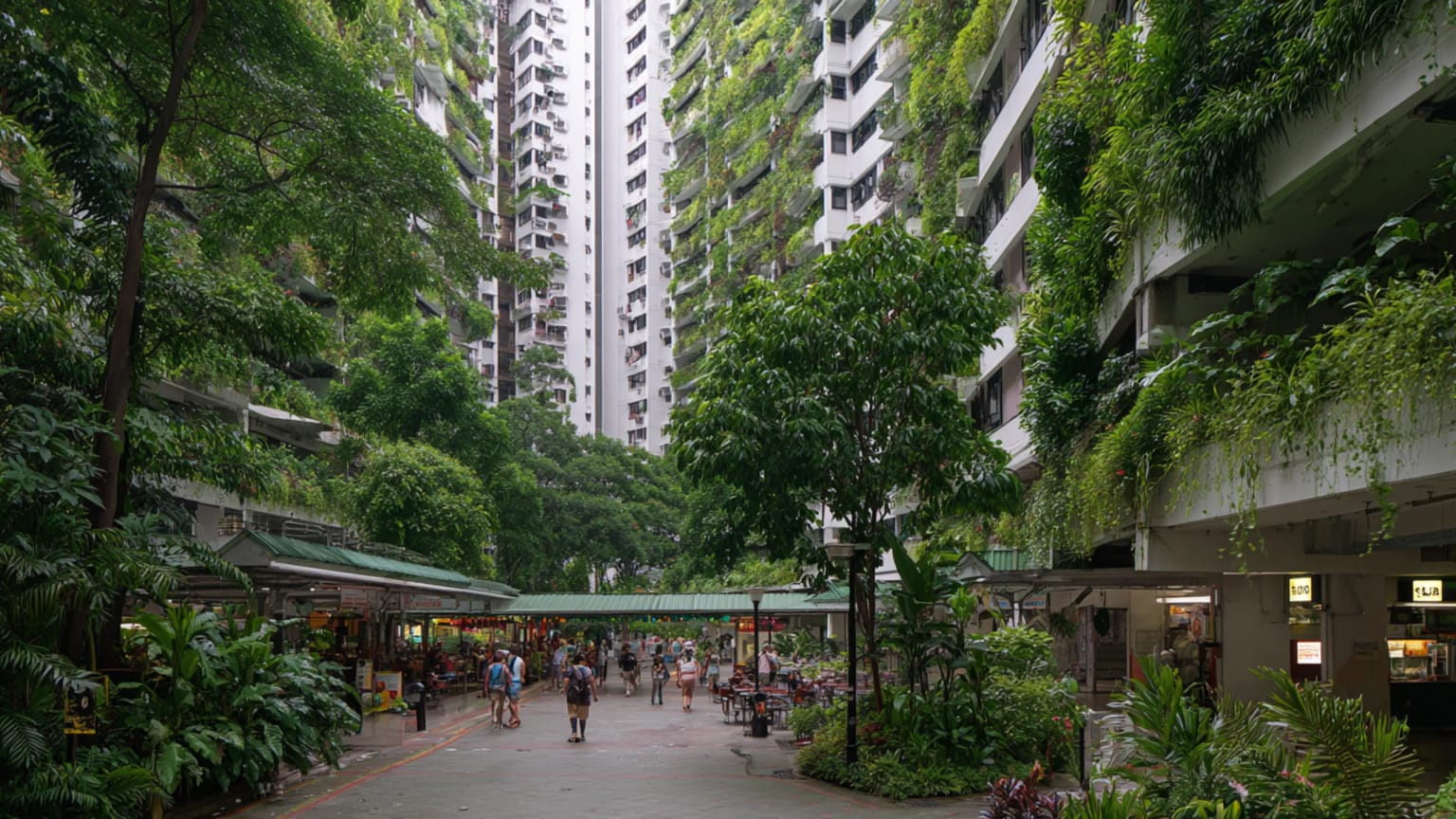
Singapore may be the world's most disciplined urban machine. The question is whether a full human habitat can be built mainly from order.

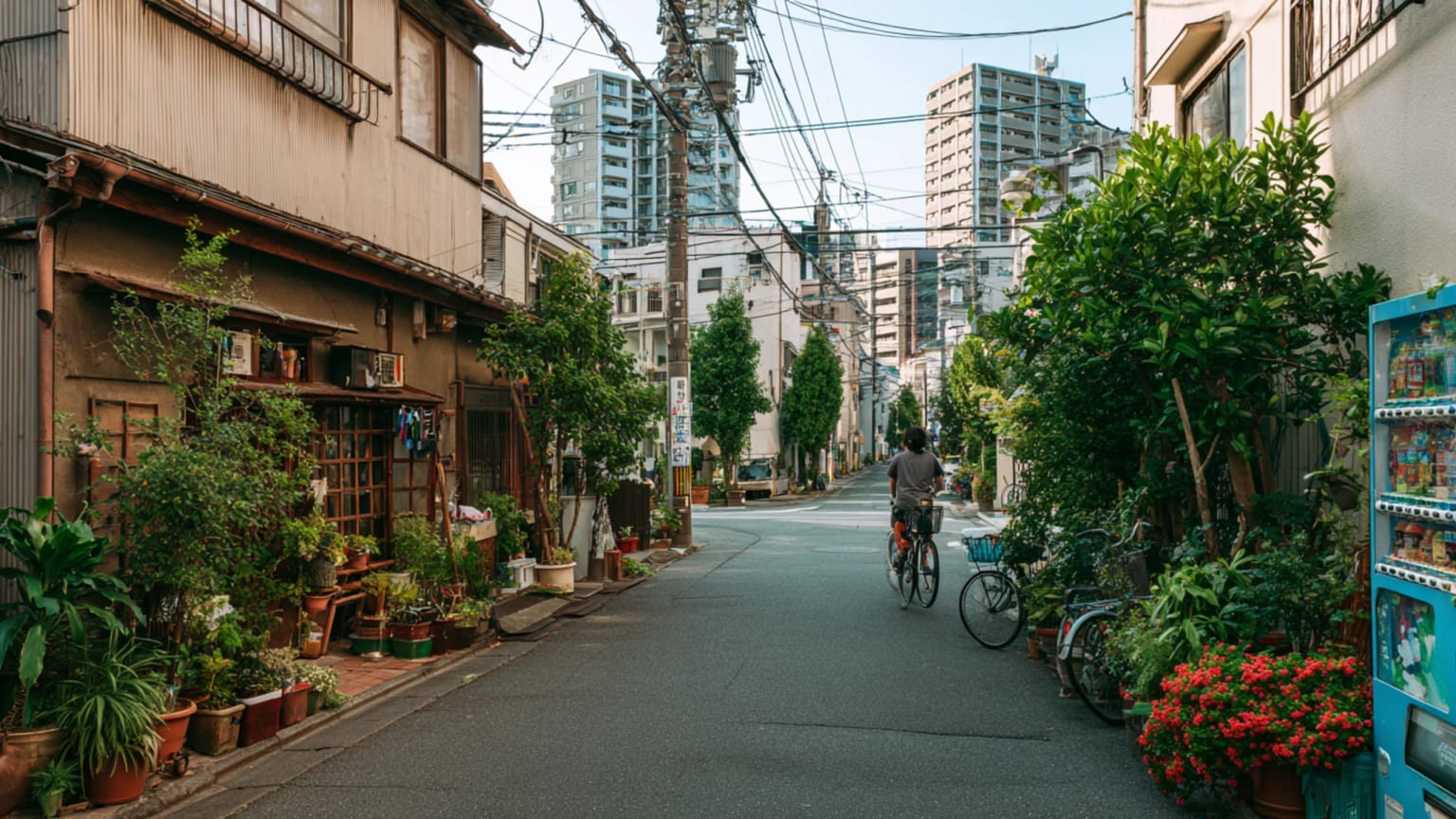
Tokyo is enormous without becoming unreadable. That alone would be rare. It also remains less exclusionary than most superstar cities.

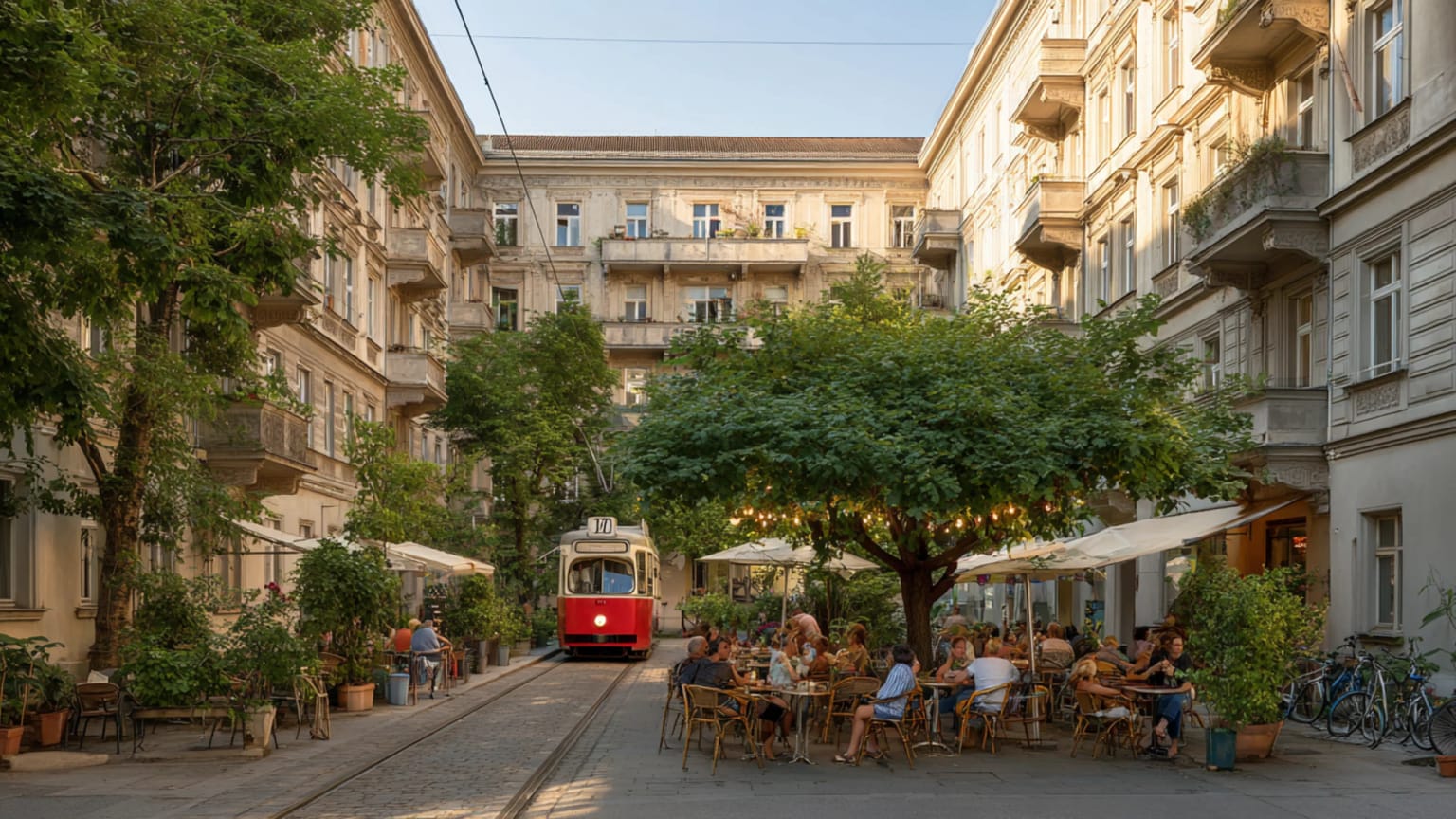
Vienna is not the loudest great city. It is the one that most convincingly turns public power into ordinary urban ease.

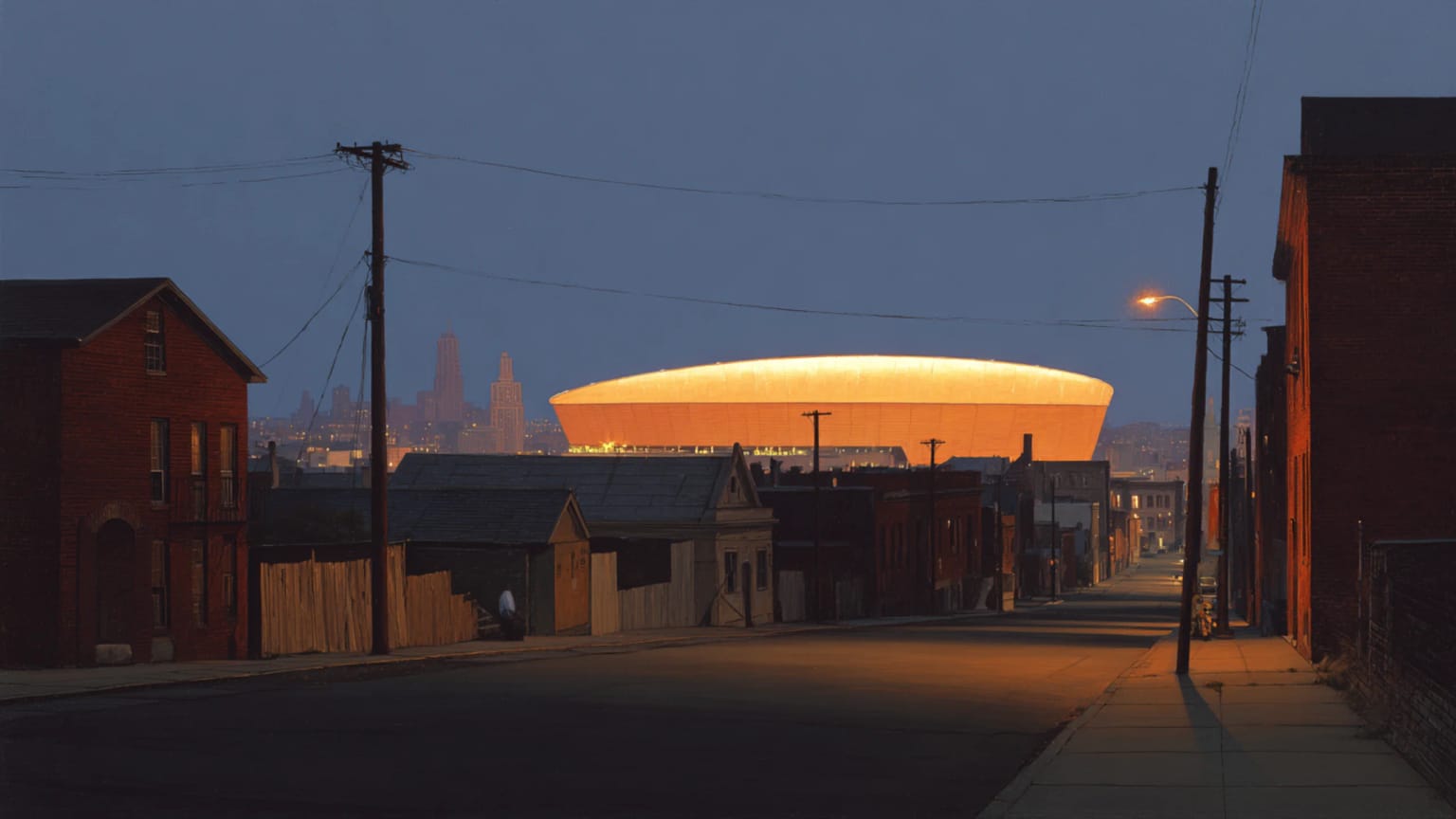
The economics are not genuinely contested. Decades of studies find that stadium subsidies do not create net new local growth. Yet the subsidies keep flowing, because the deal is not really about economics. It is about the threat of departure, civic identity, and a federal tax loophole that quietly turns local desperation into a national bill.

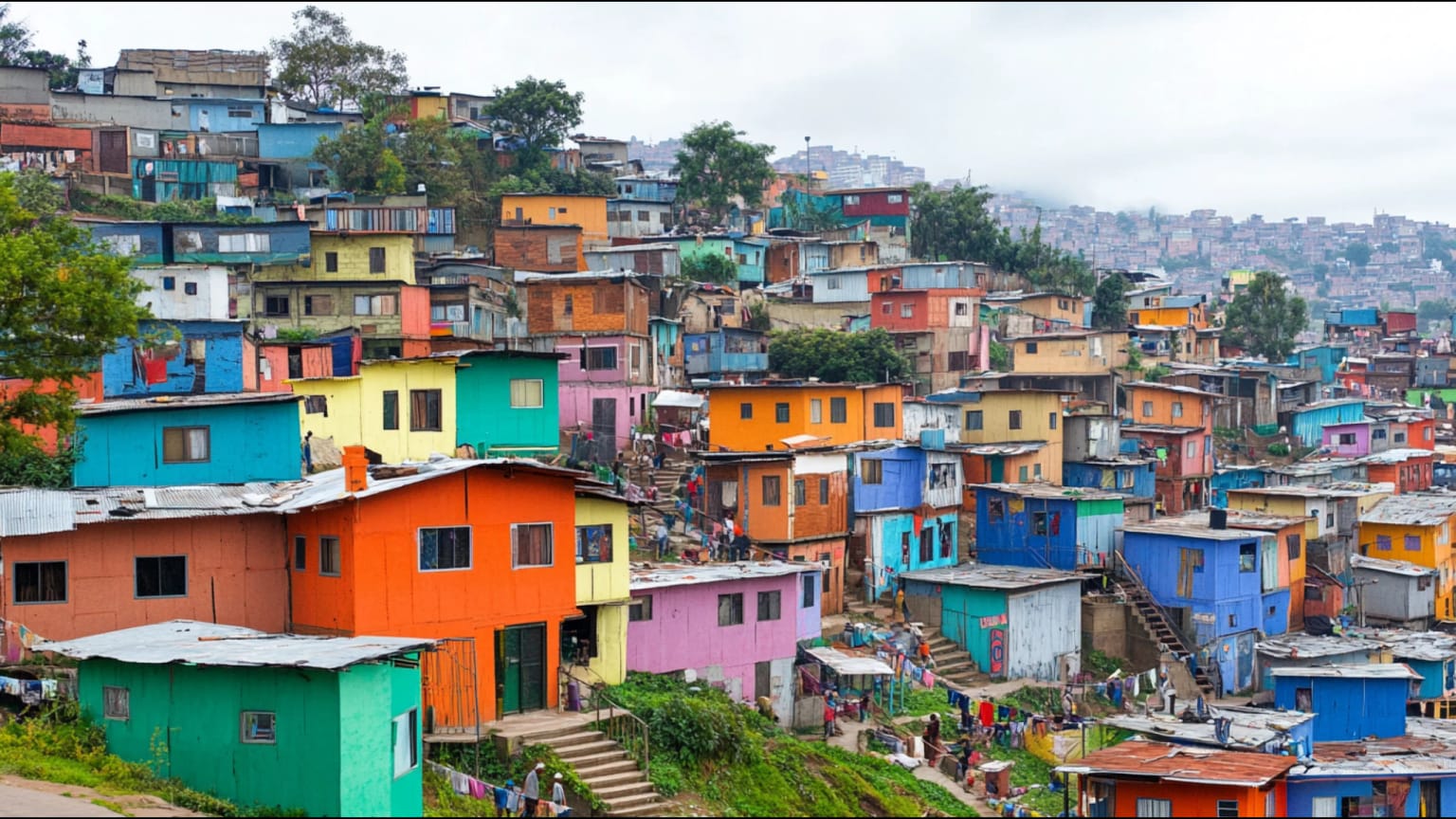
The neighborhood had no official name on any map I could find. Residents called it by the name of the water tap—the one amenity that appeared after twenty years of lobbying. Houses climbed the hillside in organic improvisation, each one a record of incremental investment by families who built what they could afford when they could afford it.

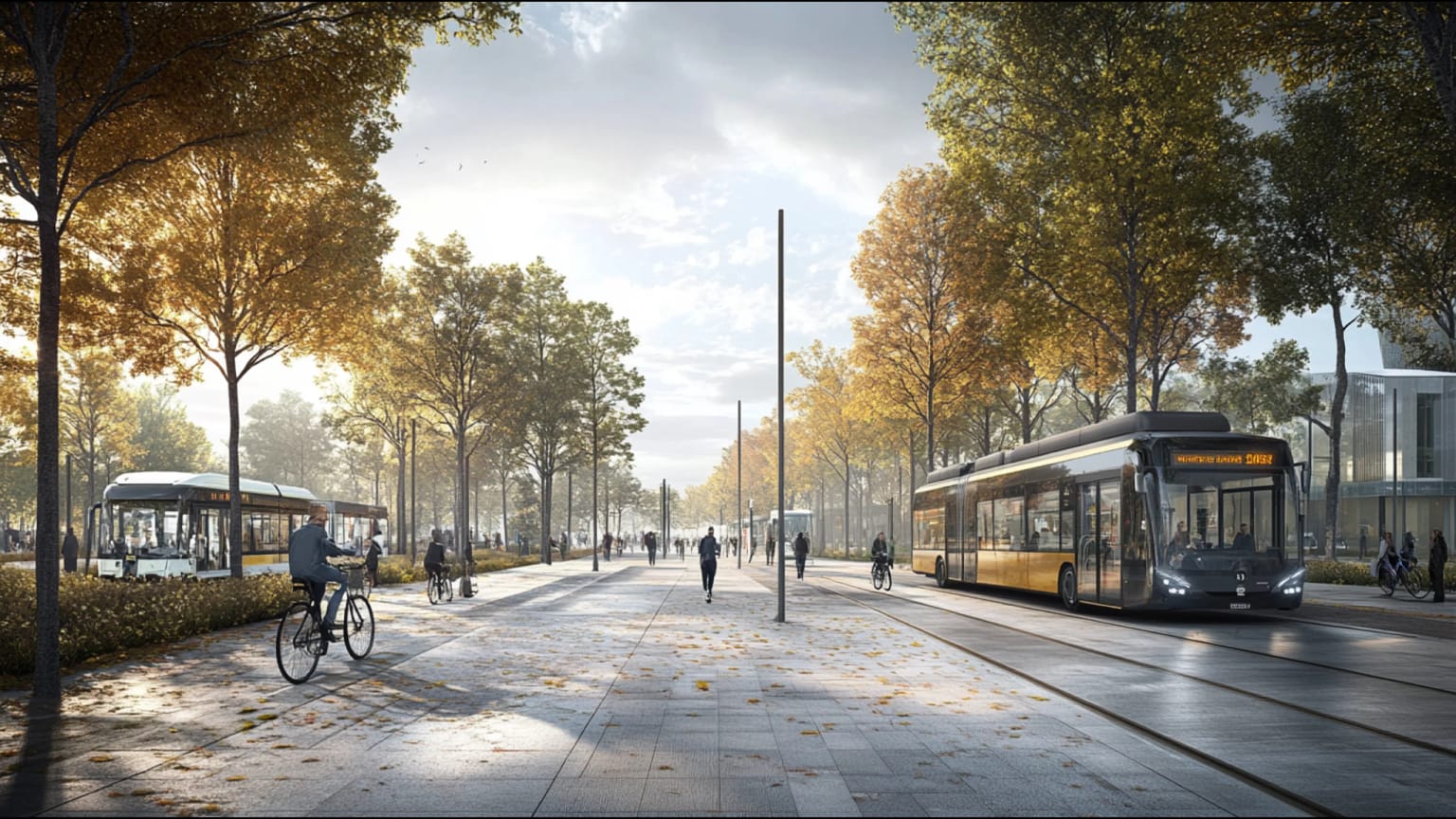
The ceremony in New York was modest for something meant to transform how billions of people move. Transport ministers, UN officials, and transit advocates gathered to launch the first global framework for sustainable urban mobility—a decade-long push to rewire how cities function. The question is whether ten years is enough.

Technically superior buildings have so often produced lower lived quality. The reason is a collision of four forces: regulation written as minimums, land values pushing maximum efficiency, energy rules that shrink openings and volumes, and a market that rewards private saleable area over shared quality.

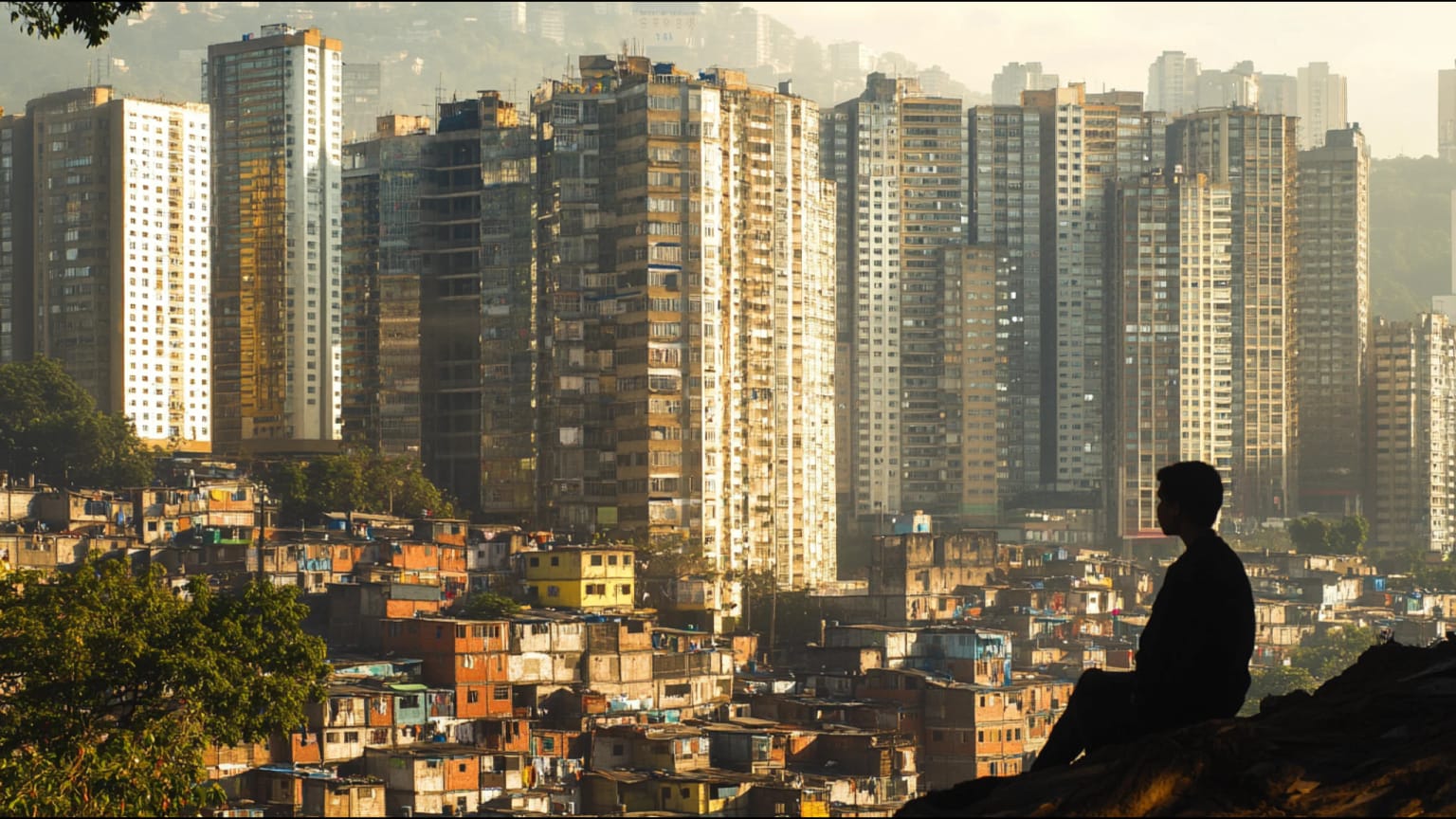
The number arrives like a diagnosis: 2.8 billion people worldwide lack access to adequate housing. That's 40 percent of humanity living in structures that fail basic tests of safety, security, or sanitation. And for the first time since economists began systematically tracking housing affordability, every major market has crossed into unaffordable territory.

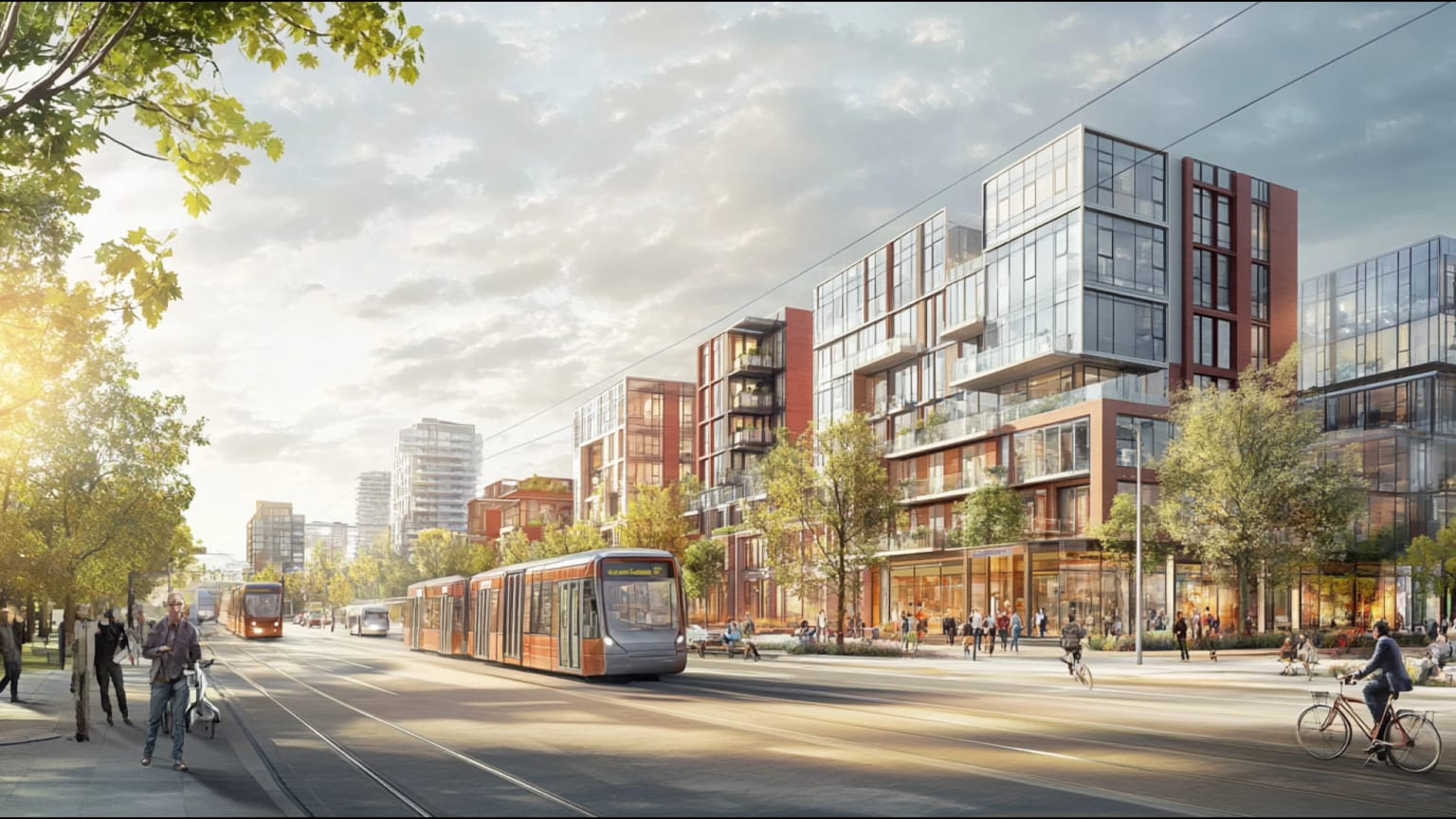
The sustainable city doesn't need to choose between endless suburbs and glass towers. It needs mid-rise: five to eight storeys of mixed-use, walkable blocks. Three ambitious cities show how.

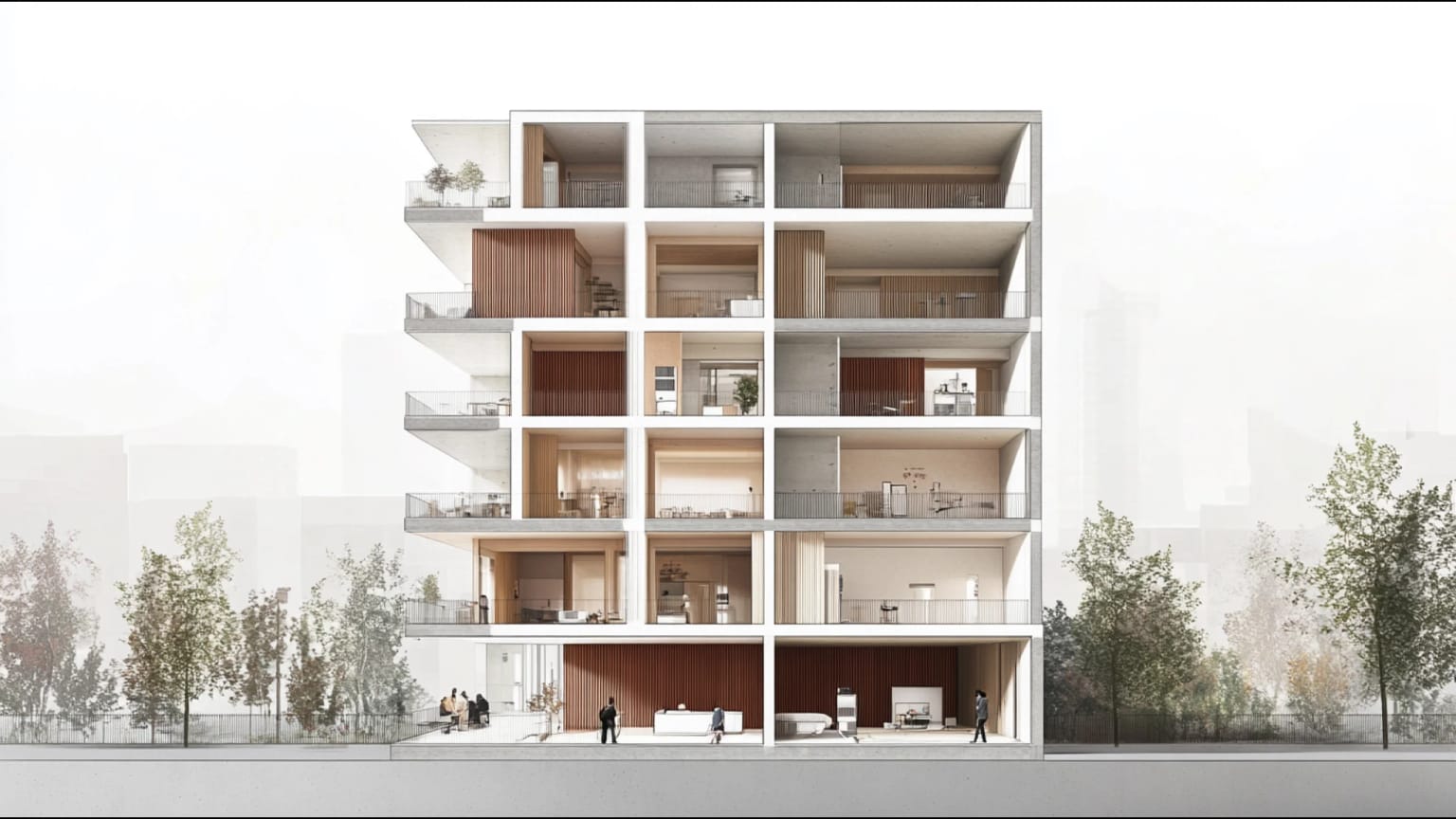
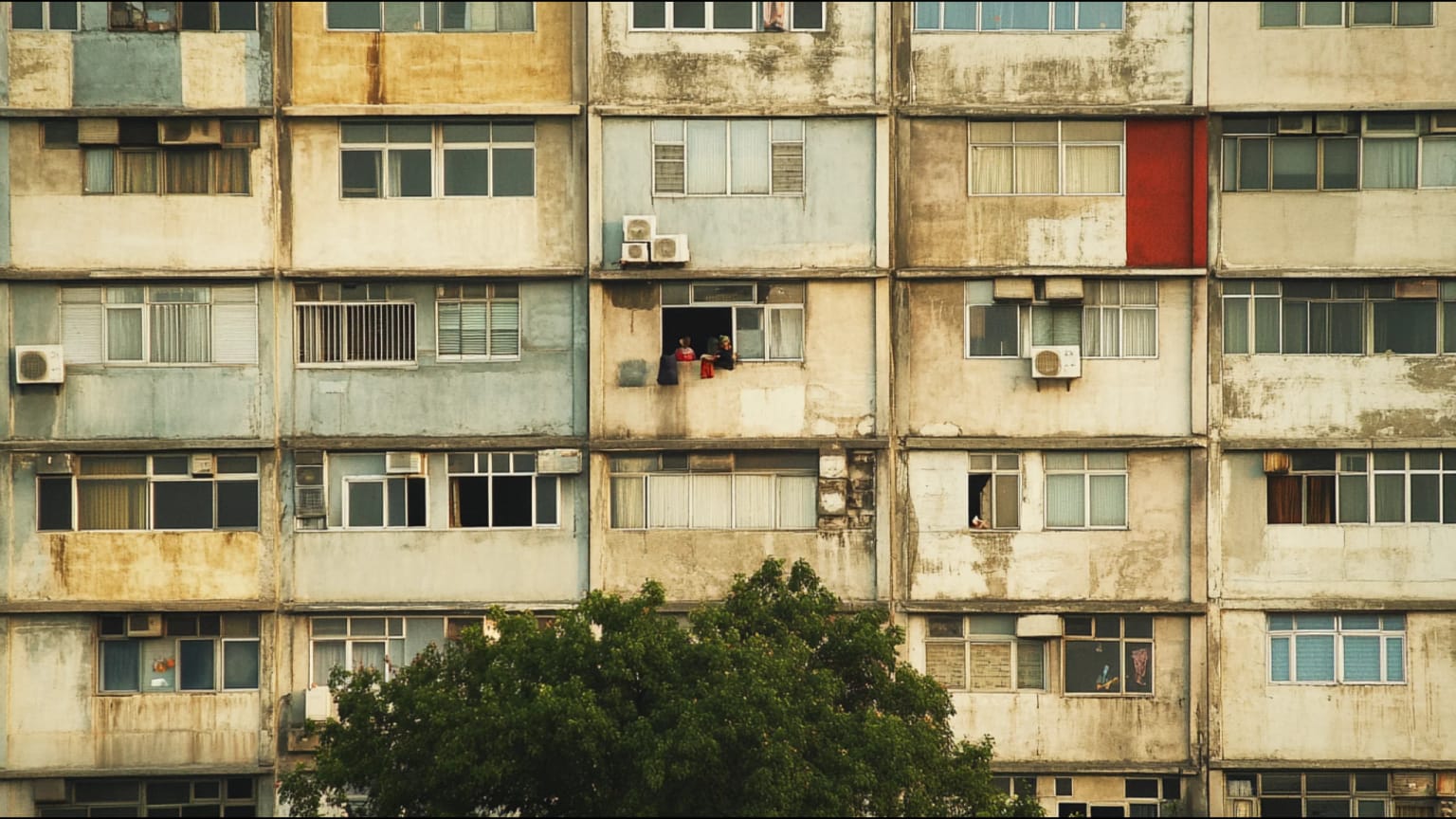
No one announces bad housing. Quality is drained in small defensible portions. A little less light. A little lower ceiling. A little more single-aspect orientation. Each reduction sounds reasonable in isolation. Together they create a new housing type: legally acceptable, humanly diminished.

New Orleans alters the figure in perhaps the most beautiful way of all. It changes the dominant sense. In a city where jazz structured geography before zoning did, the walker becomes a listener -- and listening changes everything.

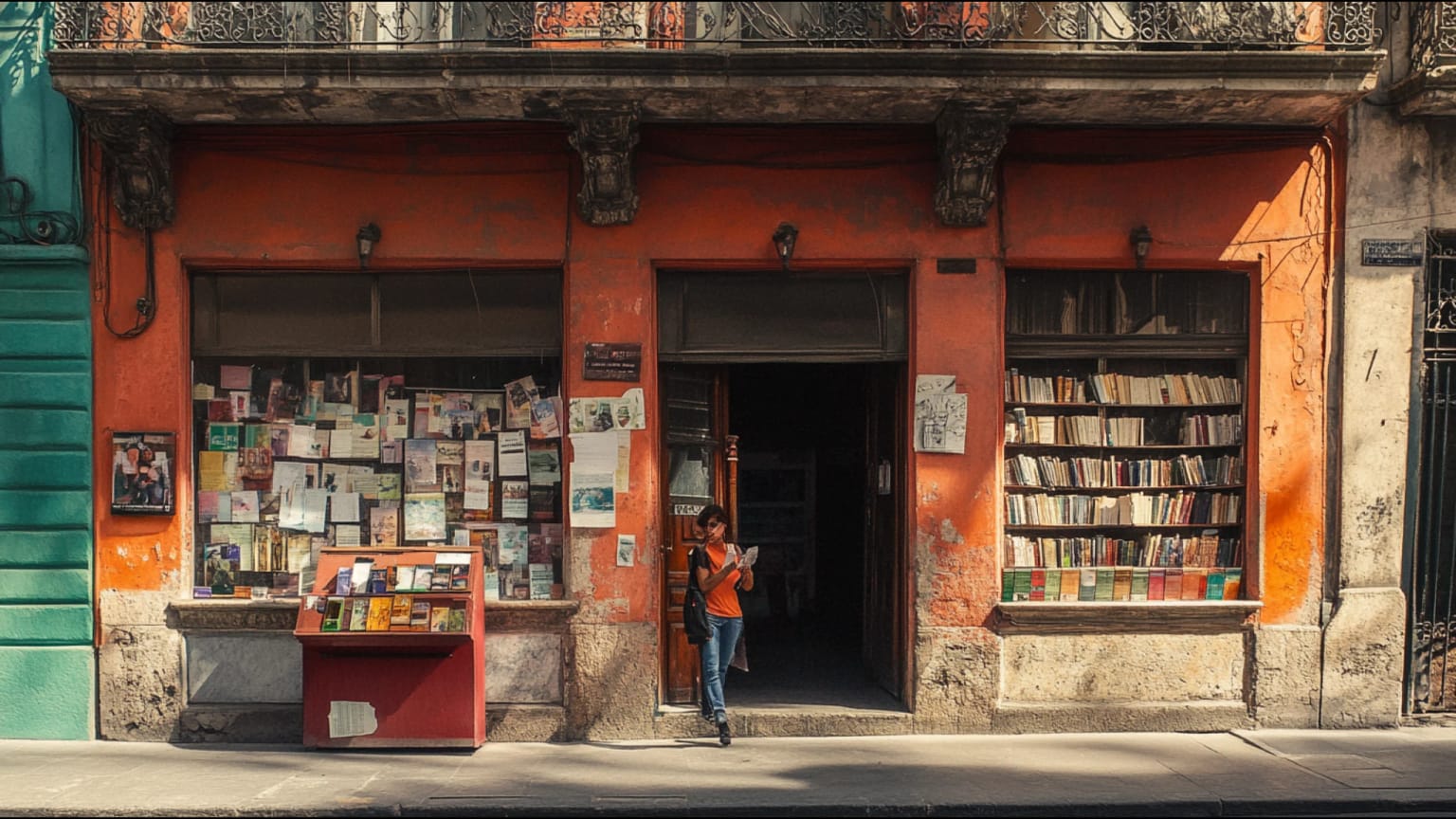
Colonial residue, republic-building, migration, modernization, violence, amnesia, elite fantasy, popular improvisation -- in Buenos Aires and Mexico City, these all sit together in uneasy simultaneity. The walker does not merely look. He deciphers.

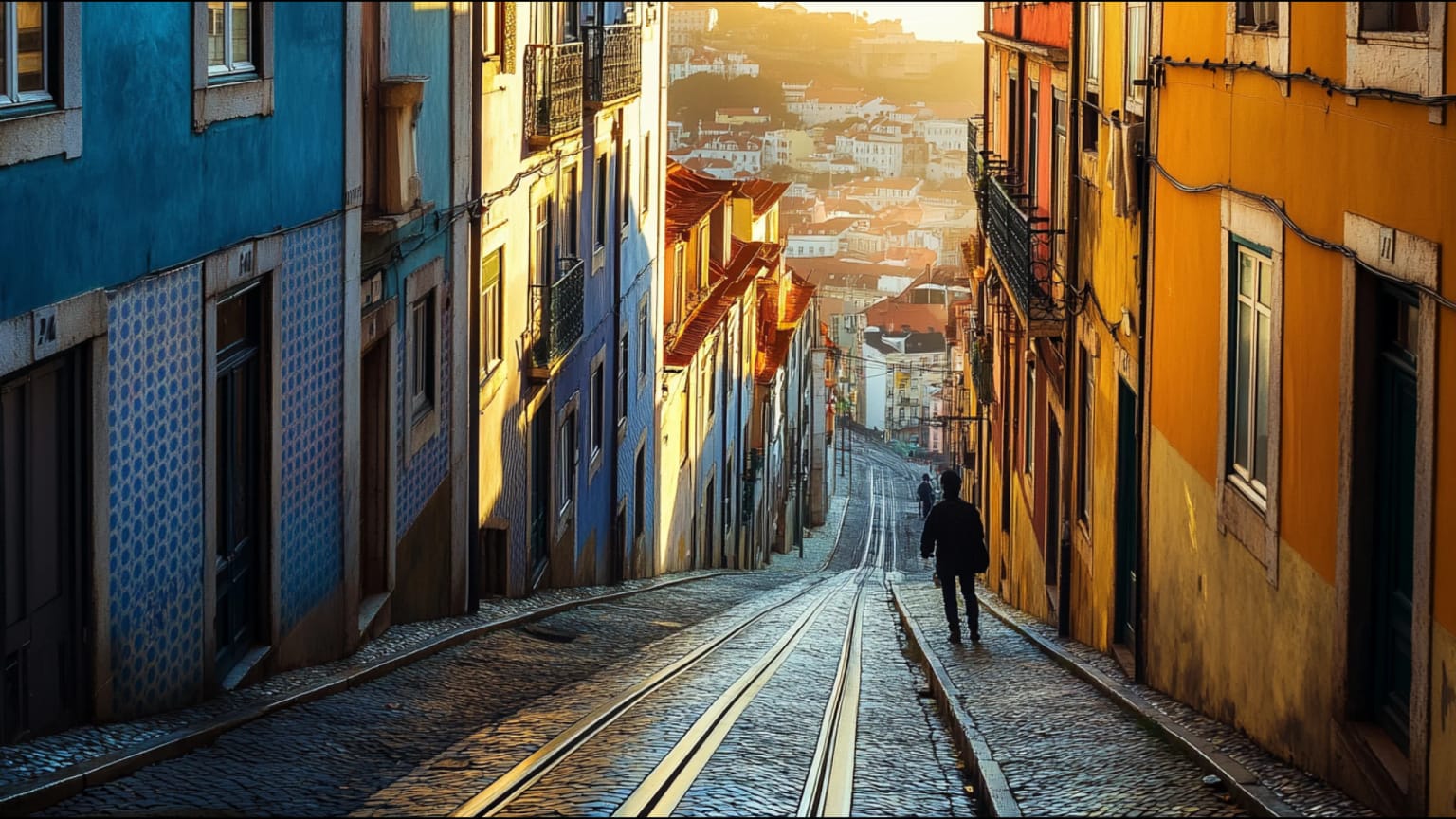
If Madrid complicates the flaneur by making him rhetorical, Lisbon does something stranger and finer. It breaks him apart. The city's topography fragments the self into multiple walkers inhabiting the same body.

The thermometer outside my window read 34°C, but inside the concrete apartment it felt closer to 40. Air conditioning hummed in the building across the street—the one with the balconies and the security desk. In my building, we opened windows and hoped for wind. This is how cities sort their residents by temperature: the cooled and the cooked.

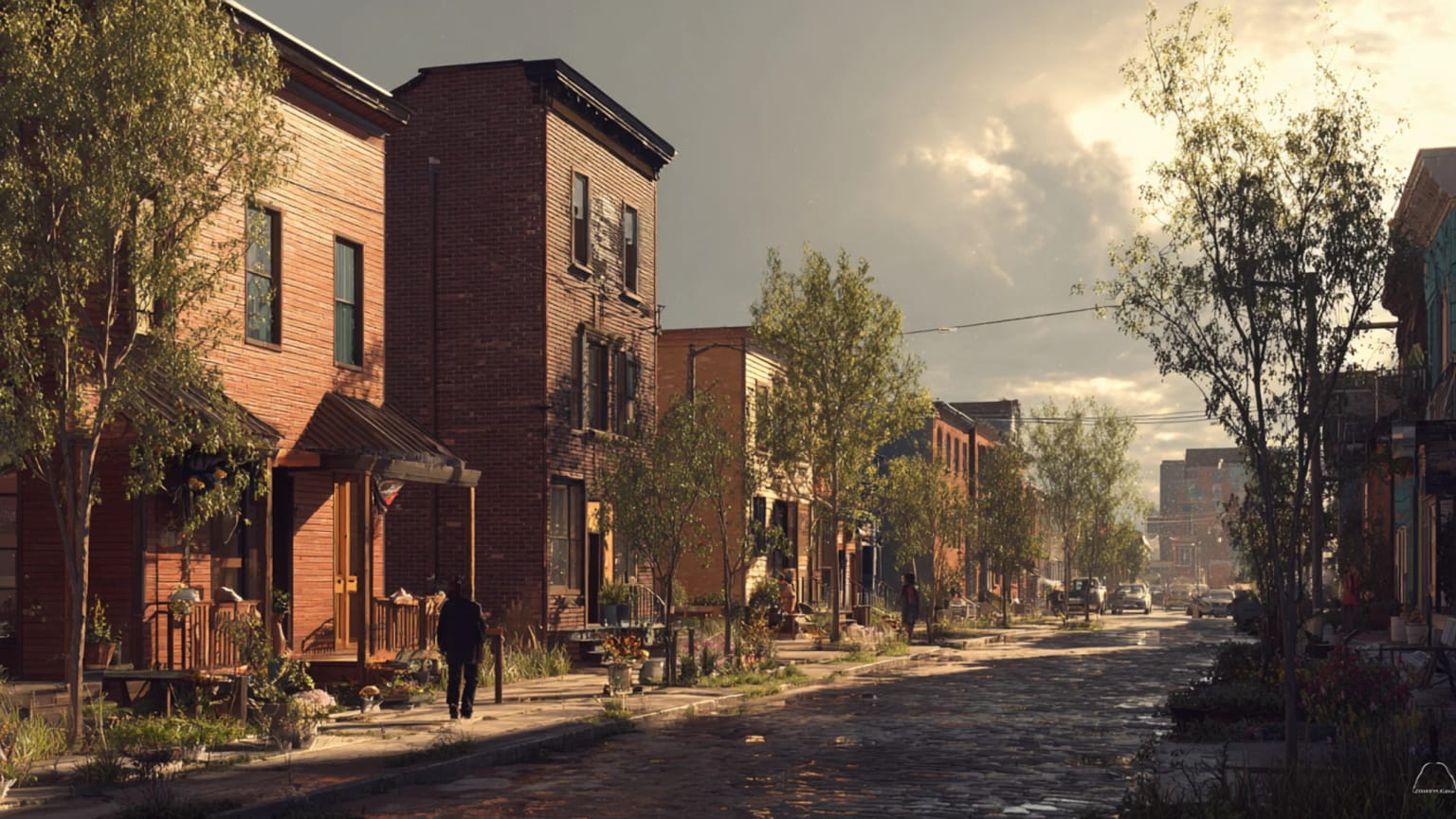
In 1966, bulldozers tore through Tremé's oak-lined streets to build a highway. Sixty years later, New Orleans is learning that some wounds require more than time to heal—they require removal.

Cathedrals weren't monuments but organizing systems: they integrated materials, labor, power, and ritual into the foundational structure of cities. Ten exemplars show how sacred architecture became civic infrastructure.