Urban Wounds: When Highways Become Scars
In 1956, New Orleans surrendered its streets to the interstate. Today, neighborhoods severed by concrete arteries are fighting to take their city back from the highways that promised progress but delivered division.

Key Insights
Essential takeaways from this chronicle
The Claiborne Expressway destroyed over 500 homes and businesses in Tremé when built in 1966-68
Point 1 of 4Highway construction disproportionately targeted Black neighborhoods with less political power
Point 2 of 4Modern highway removal projects prove that cities can heal from infrastructure trauma
Point 3 of 4Reclaiming highway land creates opportunities for affordable housing and community spaces
Point 4 of 4
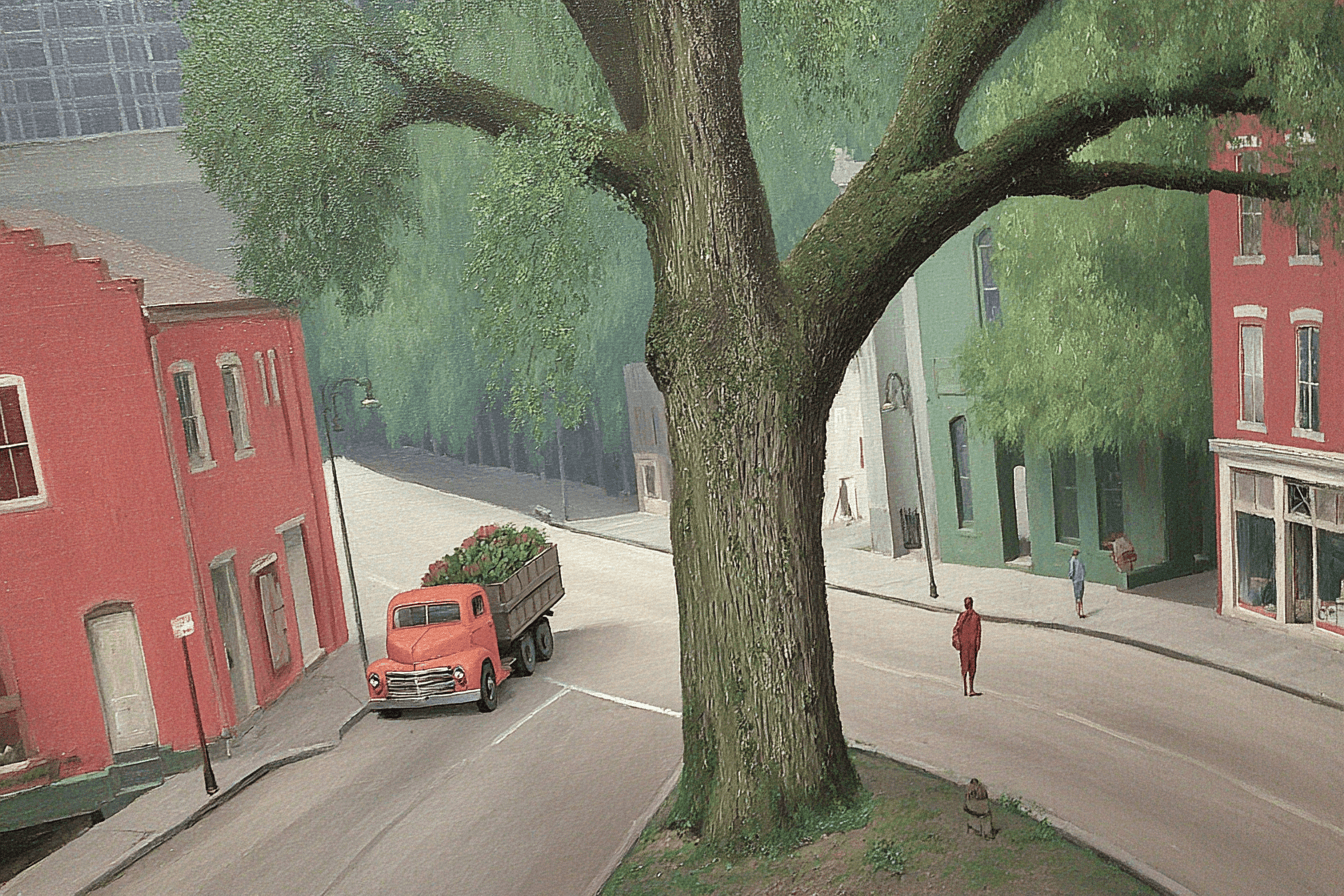 New Orleans in 1950, before the interstate system carved through its neighborhoods
The Promise and the Price
In 1956, the Federal Highway Act promised to connect America. For New Orleans, it meant federal dollars and modern infrastructure. What planners didn't account for—or chose to ignore—was the human cost of efficiency.
The Claiborne Expressway, completed in 1968, didn't just provide a route through the city. It performed surgery without anesthesia on Tremé, one of America's oldest Black neighborhoods. Over 500 homes vanished. Businesses that had anchored corners for generations found themselves in the shadow of an elevated highway, slowly starved of foot traffic and sunlight.
 The systematic destruction of Tremé: construction phases show the scale of neighborhood displacement
A Pattern of Targeting
The highway planners had choices. They could have routed I-10 through wealthier, whiter neighborhoods. They chose not to. Across America, from the Bronx to Birmingham, highway construction followed a predictable pattern: the path of least political resistance, which invariably meant through communities of color.
 The full scope of displacement becomes clear from above: entire city blocks erased for asphalt
In New Orleans, this wasn't just urban renewal—it was urban removal. The highways didn't connect communities; they severed them. Tremé, once a vibrant cultural heart where jazz legends walked the same streets as laborers and shopkeepers, found itself bisected, its social fabric torn by concrete and steel.
"We lost our front porches," remembers Clarence Johnson, whose family had lived on Claiborne Avenue for three generations before the expressway's construction. "People used to sit outside and talk. Kids played in the street. The oak trees gave us shade for Sunday gatherings. All of that disappeared overnight."
The Long Shadow
Fifty-six years later, in 2024, the wounds remain visible. Property values on the shadow side of elevated highways lag behind their neighbors—still 38% below the city median according to Orleans Parish property records. Children grow up with the constant hum of traffic overhead. Community gatherings compete with exhaust fumes and engine noise.
 Today's reality: communities still living in the shadow of infrastructure decisions made decades ago
But something remarkable is happening in cities across America. From San Francisco's Embarcadero to Seoul's Cheonggyecheon, urban leaders are discovering that removing highways can heal more than just landscapes—it can restore communities.
Taking New Orleans Back from the Highways
The conversation about highway removal in New Orleans isn't just about traffic engineering. It's about justice. It's about acknowledging that efficiency isn't the only measure of urban success. It's about recognizing that neighborhoods aren't just obstacles to movement—they're destinations worth preserving.
A 2023 study by the Tulane School of Public Health and UNO Planning Institute found that removing the Claiborne Expressway could restore 23 city blocks to community use, reduce air pollution exposure for 19,000 residents, and create space for thousands of units of affordable housing. The economic benefits of reconnecting Tremé could exceed $2 billion over 20 years.
Beyond Removal: Restoration
Highway removal isn't just about taking down concrete. It's about what comes next. In New Orleans, community leaders envision tree-lined boulevards where elevated roadways once loomed. They see affordable housing where on-ramps carved into neighborhoods. They imagine farmers markets and festivals where parking lots currently bake in the sun.
This isn't nostalgia—it's forward-thinking urbanism. Cities that remove highways don't just solve traffic problems; they create opportunities for healing, growth, and community building that had been impossible under concrete shadows.
The highways promised to connect us to everywhere else. Perhaps it's time to reconnect us to each other.
Urban Wounds is part of Atlas Urbium's ongoing series examining how cities can heal from infrastructure trauma. Read more about highway removal projects in Boston, Rochester, and Portland in our Infrastructure Healing collection.
References:
- Caro, Robert. The Power Broker: Robert Moses and the Fall of New York
- Mohl, Raymond A. "Interstate Highways and the American City"
- Newman, Oscar. Community of Interest
- Data sources: NYC Department of City Planning, EPA Air Quality Index, American Community Survey
Continue Reading
The View from Below: How London Mistook Skyscrapers for Density
London spent twenty years building upward in the name of the compact city. From the pavements of Shoreditch the arithmetic looks different: the tower privatises the panorama and socialises the silhouette.
The Los Angeles That Almost Learned to Walk
In 1930, a regional parks plan and an electric rail network could have made Los Angeles a polycentric, walkable, tram-linked metropolis. The city commissioned the plan, then put it in a drawer. This is the anatomy of a choice, not a fate.
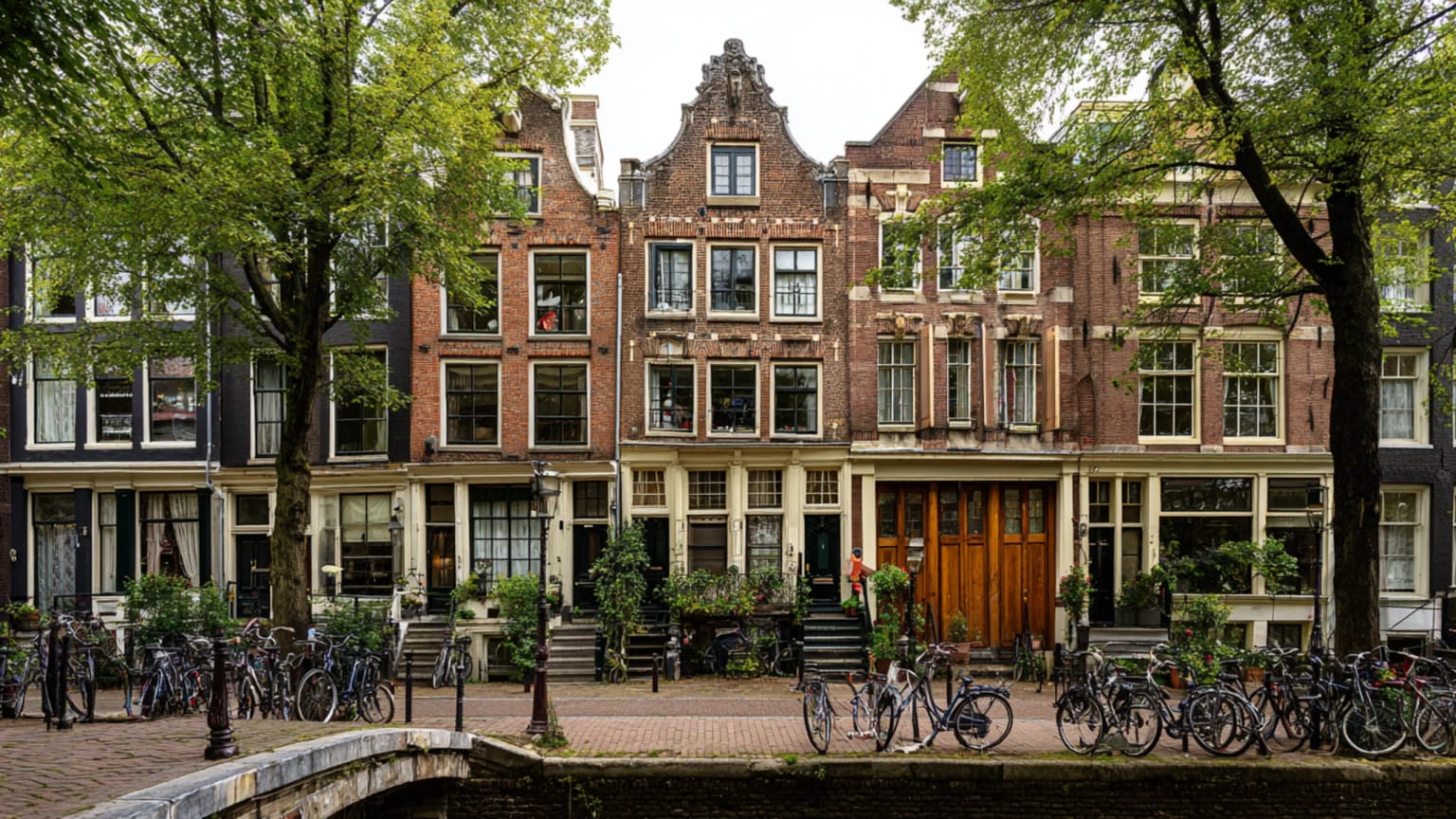
Canals Under Pressure: Amsterdam and the Living City Review
Amsterdam ranks 10th in The Living City Review 2026 with an adjusted score of 76.5. It remains one of Europe’s finest cities for daily life, but housing scarcity and tourism pressure have turned beauty into a harder civic bargain.