 essay
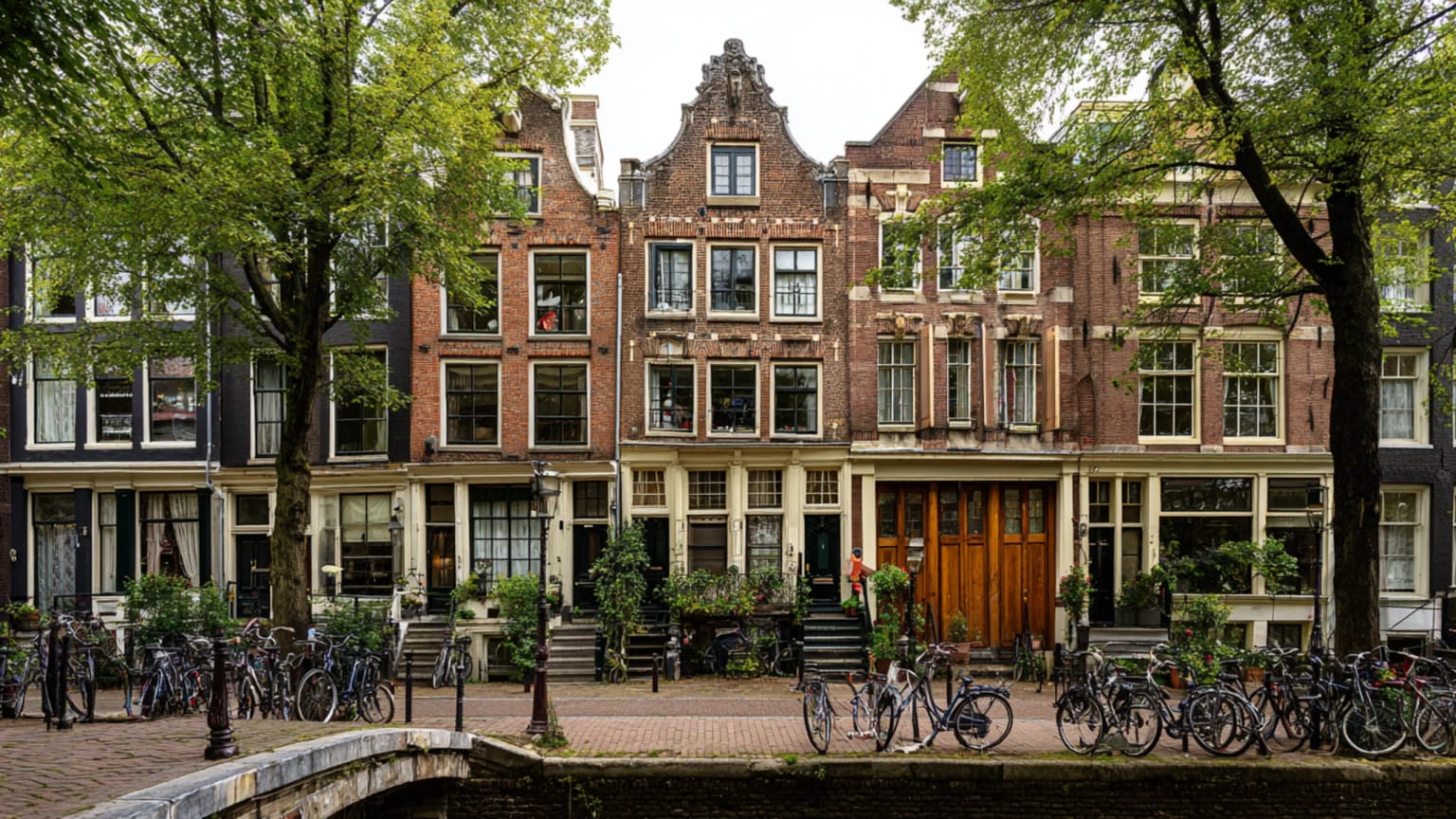
essayCanals Under Pressure: Amsterdam and the Living City Review
A city of bicycles, brick, water, and permission — still magnificent at the scale of the day, less generous than its myth at the scale of belonging.
Jul 2, 20269 min read

A human-scale ranking of the world's great cities. Not the best, happiest or most powerful city—but the one where a full life is possible. Thirty-six cities scored on ten criteria of daily life, then adjusted for the shadows: housing extraction, car-dependence, inequality, climate negligence.
essayA city of bicycles, brick, water, and permission — still magnificent at the scale of the day, less generous than its myth at the scale of belonging.
 essay
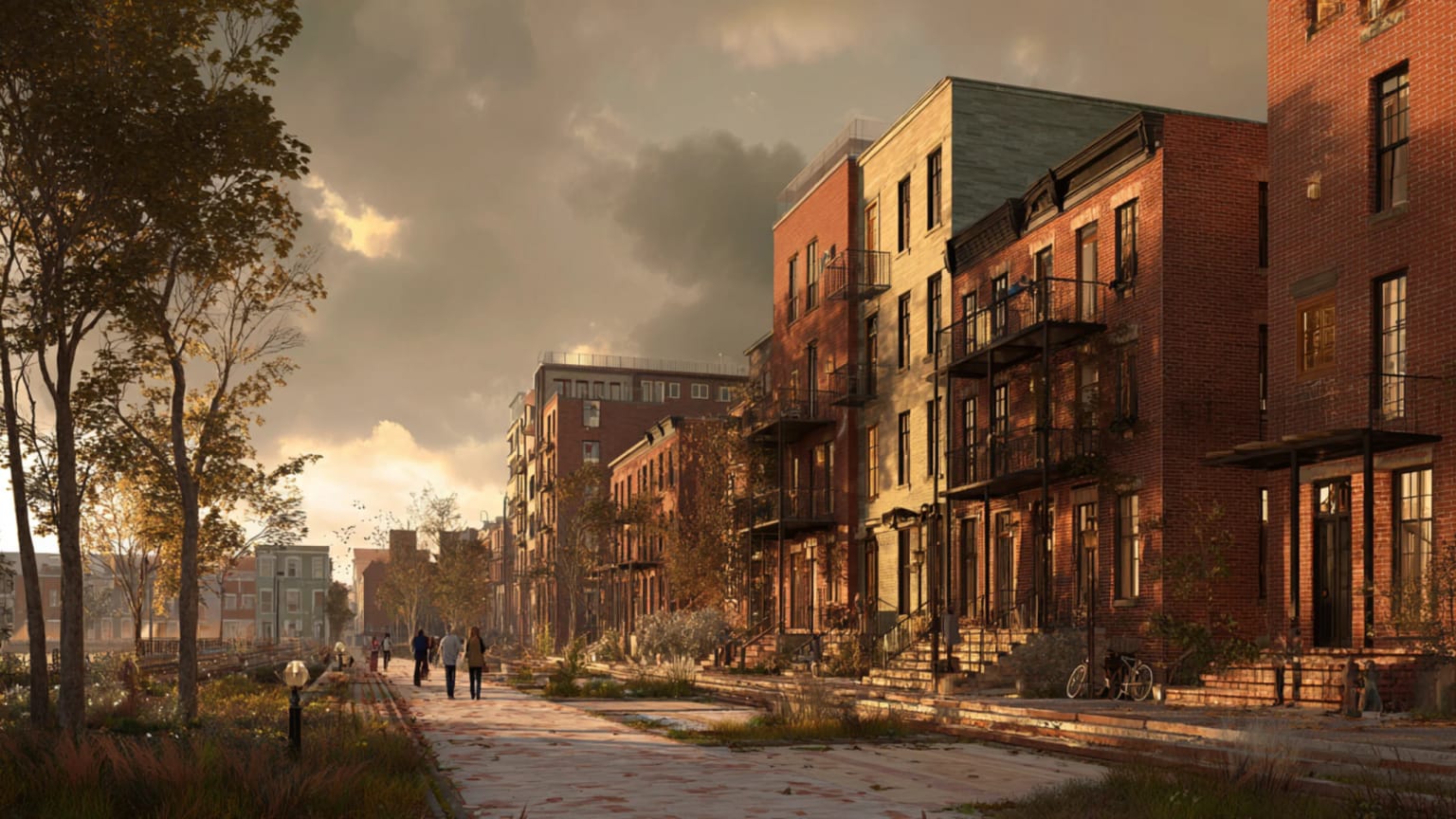
essayMost rankings measure cities as platforms — for capital, tourism, corporations, airports. We measure them as habitats. Which cities let an ordinary, engaged person actually live well?
 essay
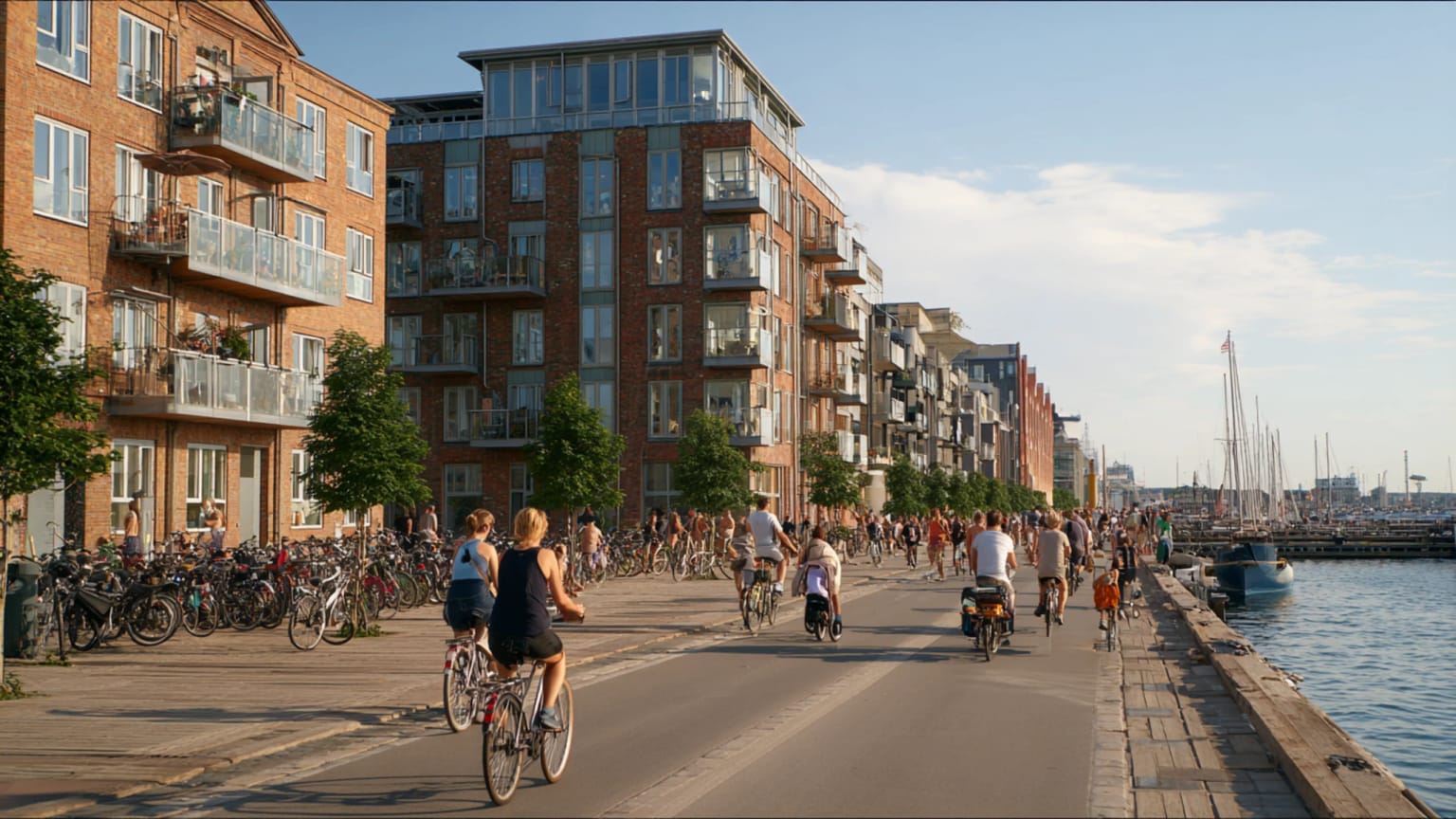
essayCopenhagen turns dignity into routine. The harder question is whether rising housing pressure will thin that achievement from within.
 essay
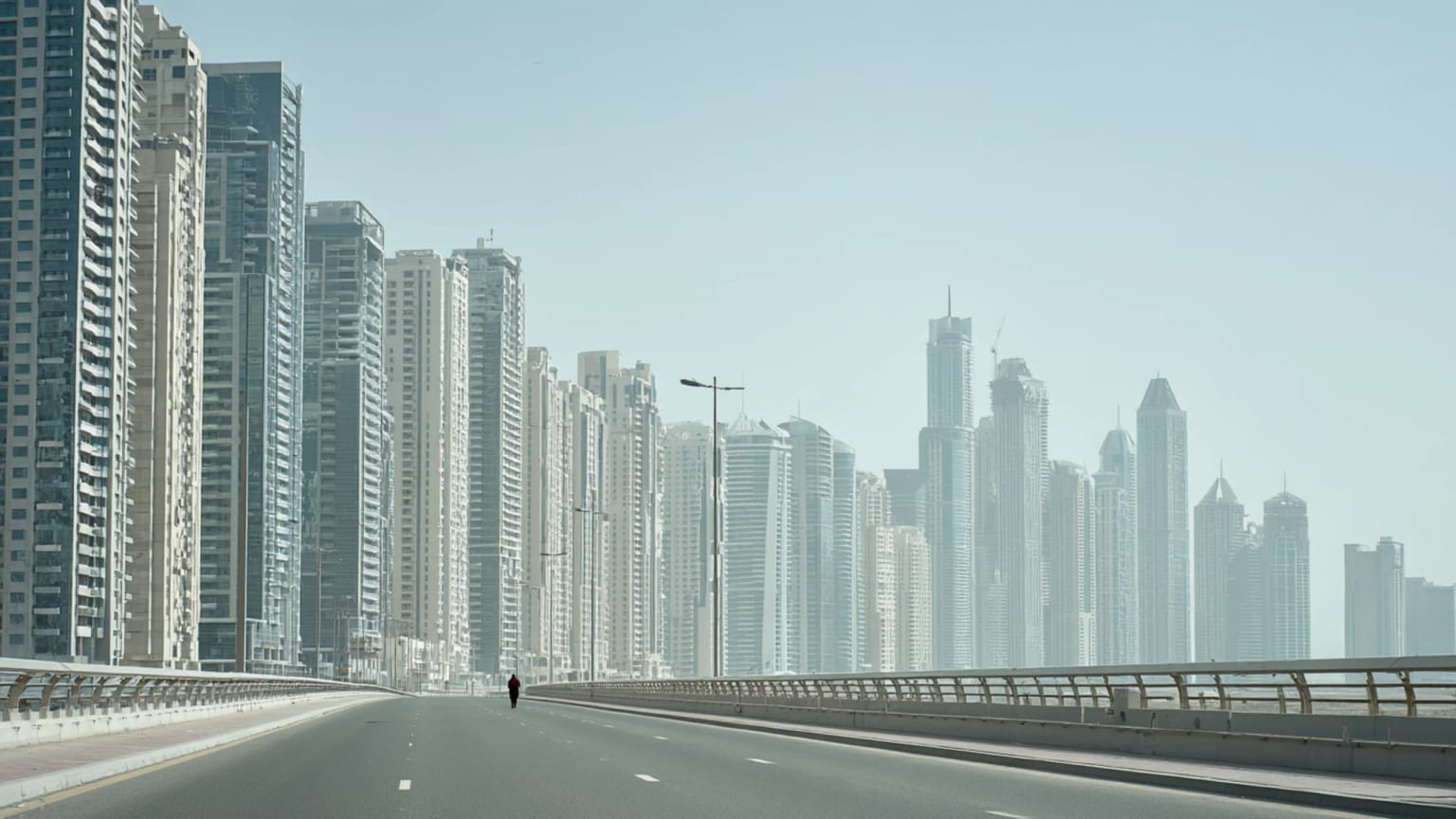
essayA city can move capital brilliantly and still fail ordinary life. Dubai is the sharpest proof in this series.
 essay
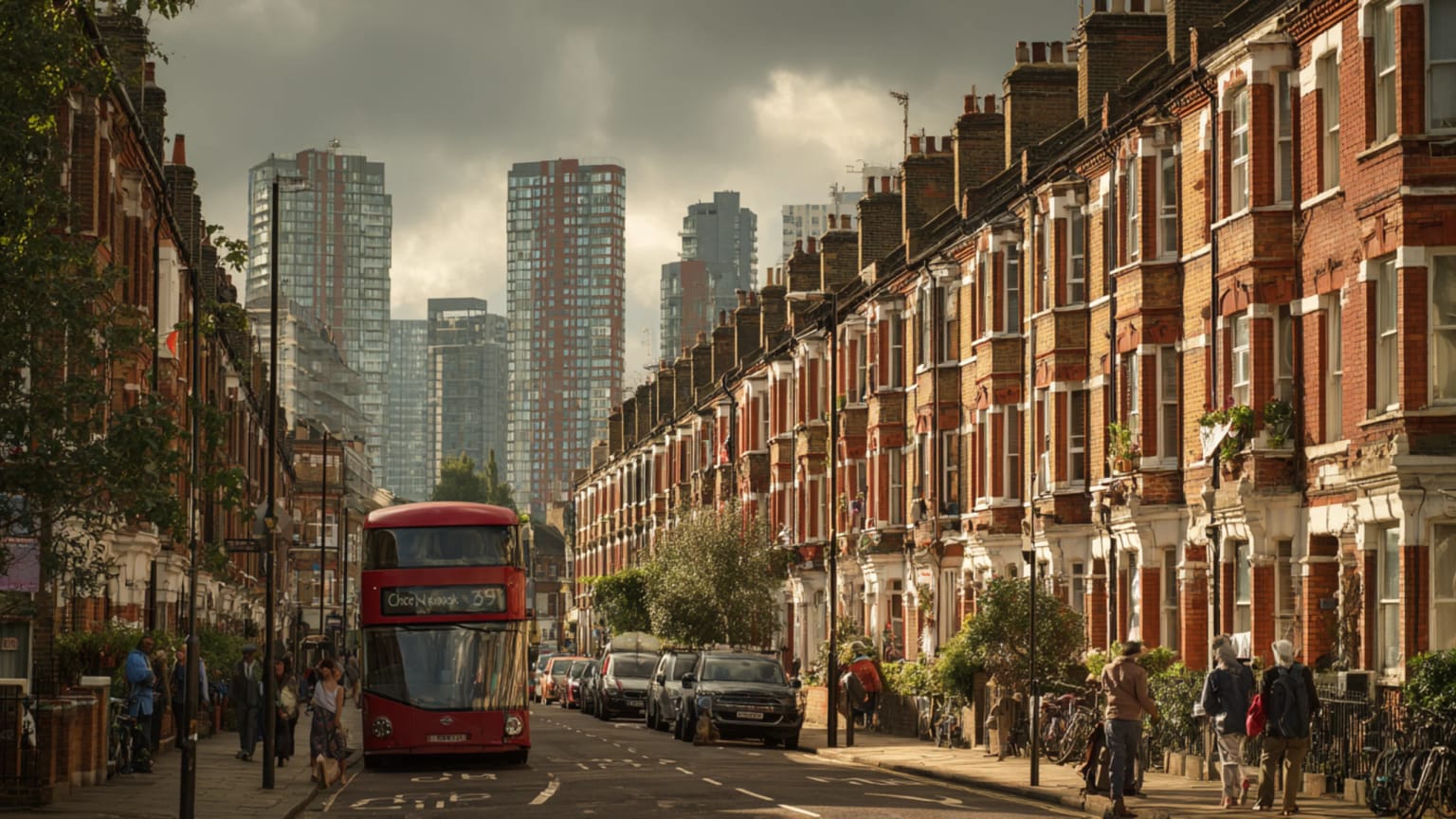
essayLondon still gives back immense urban life, then sends the bill. A great city remains great here, but not gently.
 essay
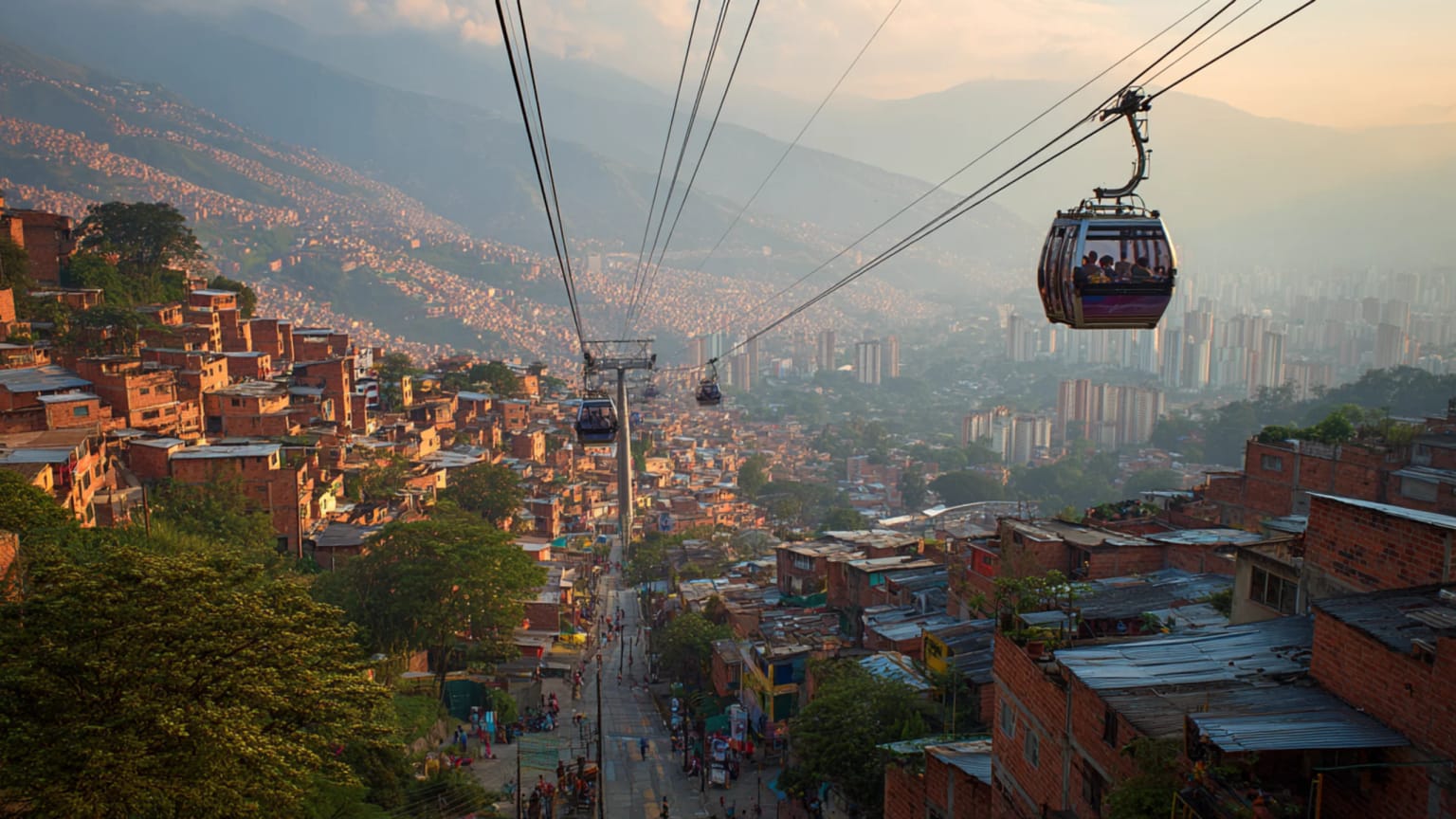
essayMedellín has earned its hope honestly. The city’s social urbanism changed the terms of life, not enough yet to make the valley equal.
 essay
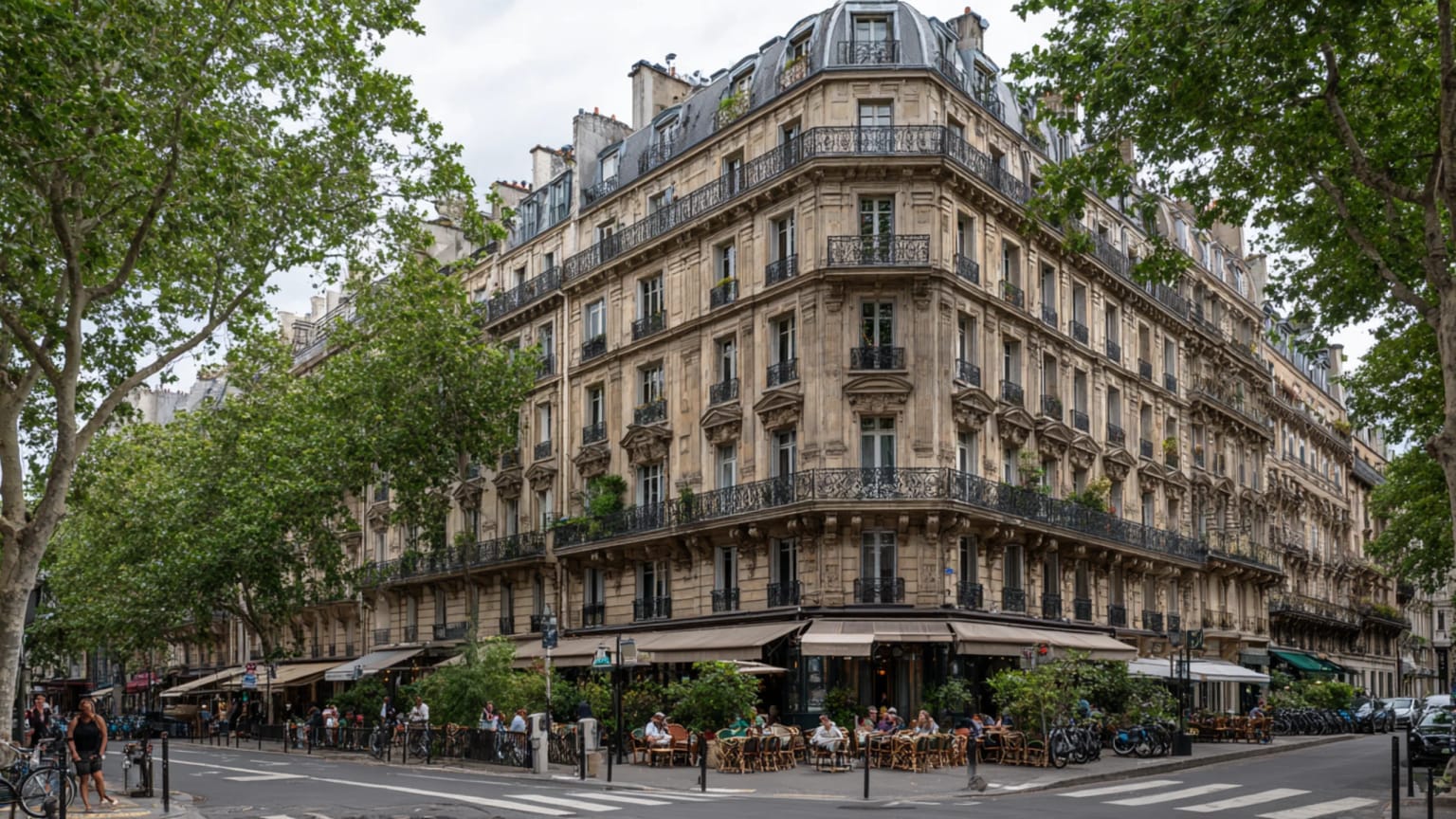
essayParis still lets beauty descend into the weekday. It also charges too much for entry into that privilege.
 essay
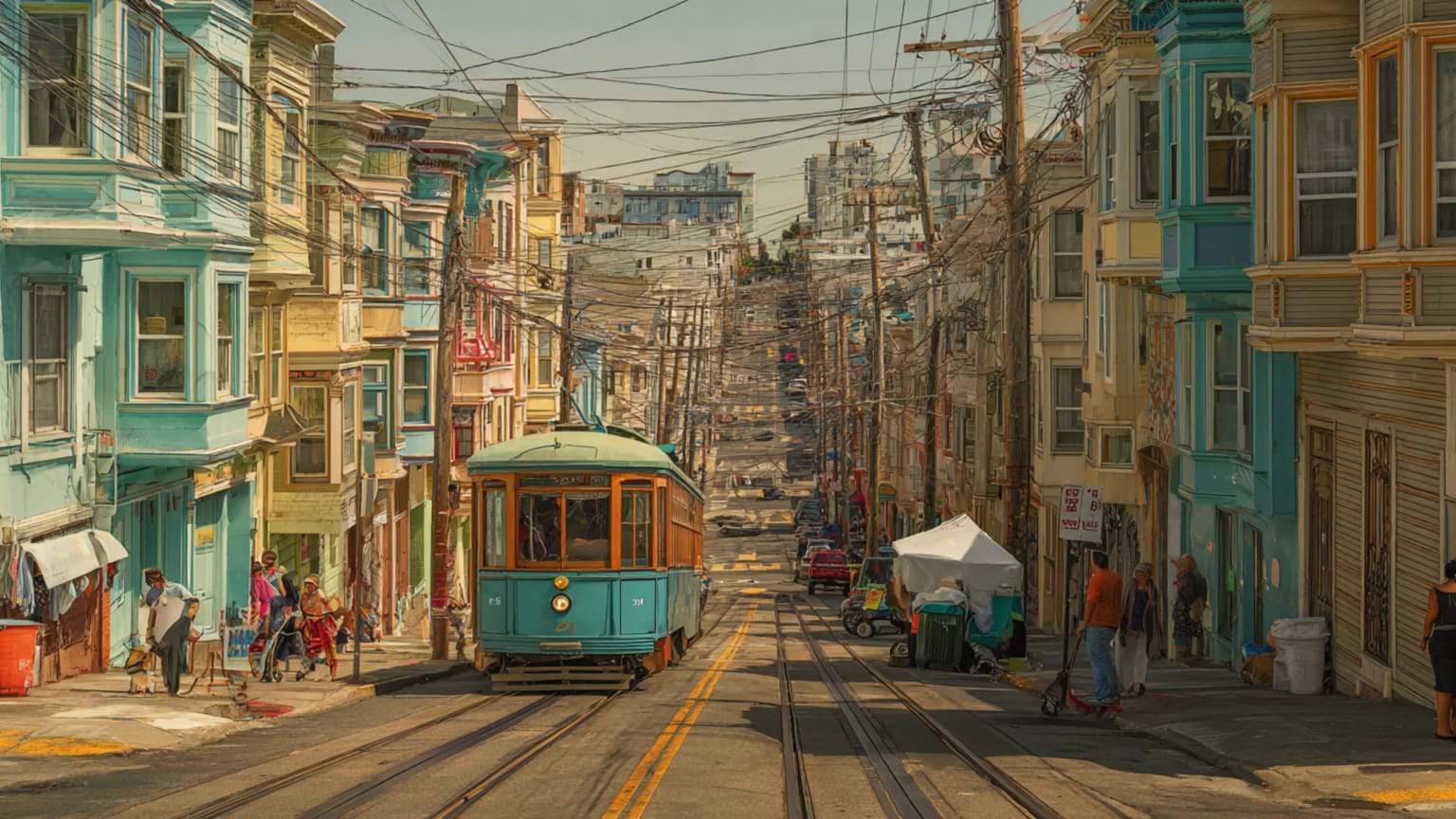
essayOne of the world’s great urban minds now asks too many ordinary residents to pay for that greatness in instability, street disorder, and exclusion.
 essay
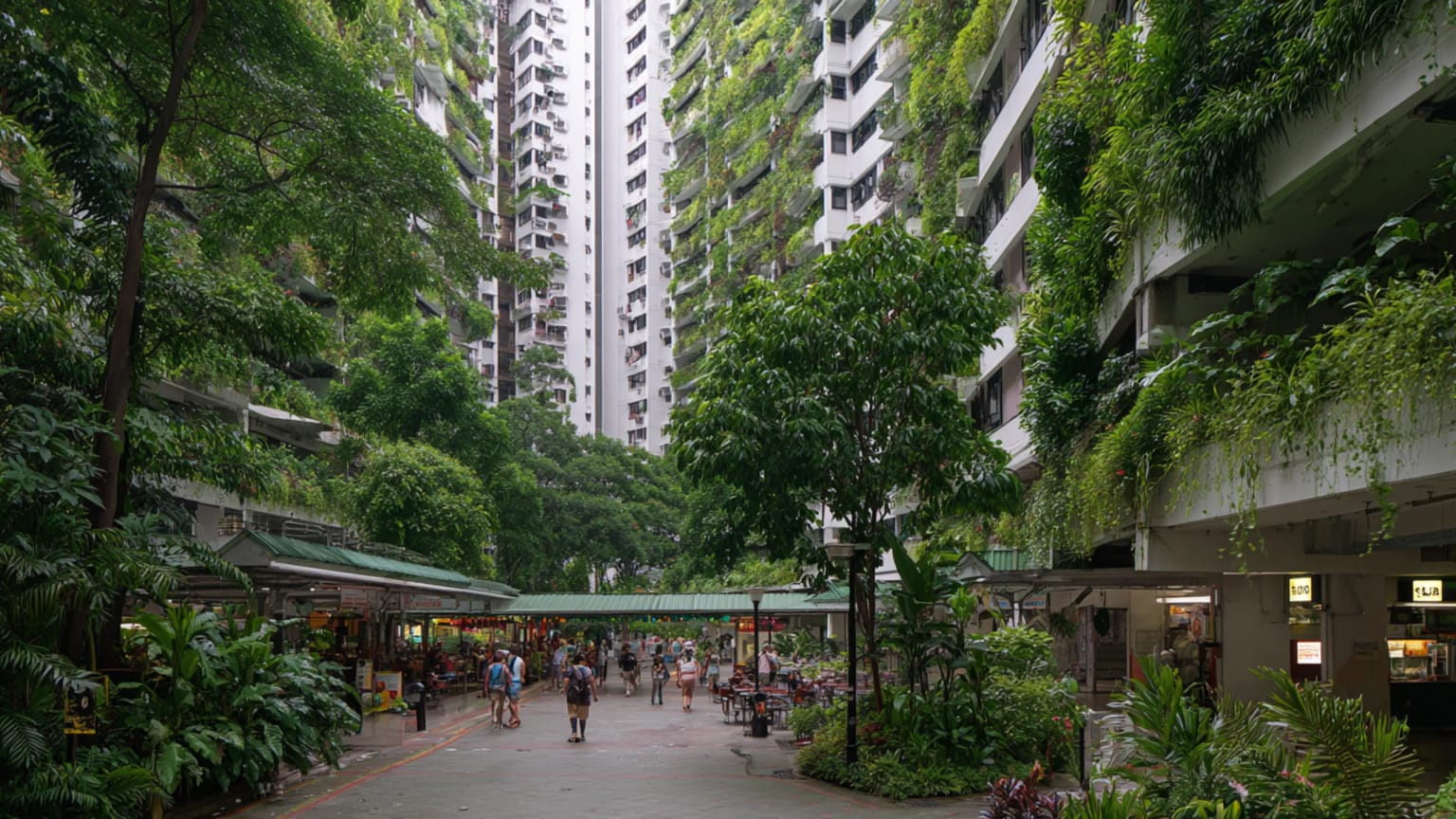
essaySingapore may be the world's most disciplined urban machine. The question is whether a full human habitat can be built mainly from order.
 essay
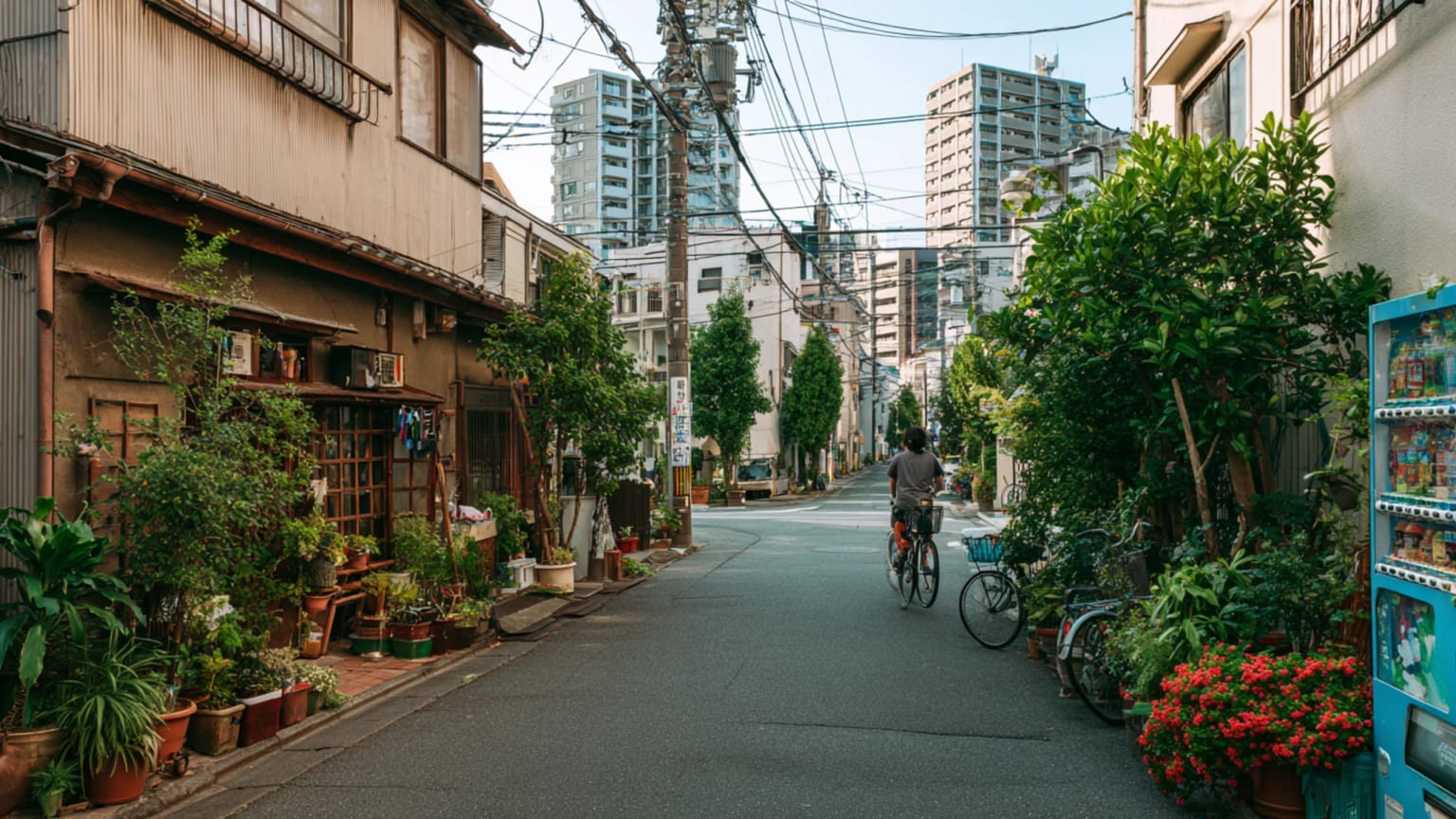
essayTokyo is enormous without becoming unreadable. That alone would be rare. It also remains less exclusionary than most superstar cities.
 essay
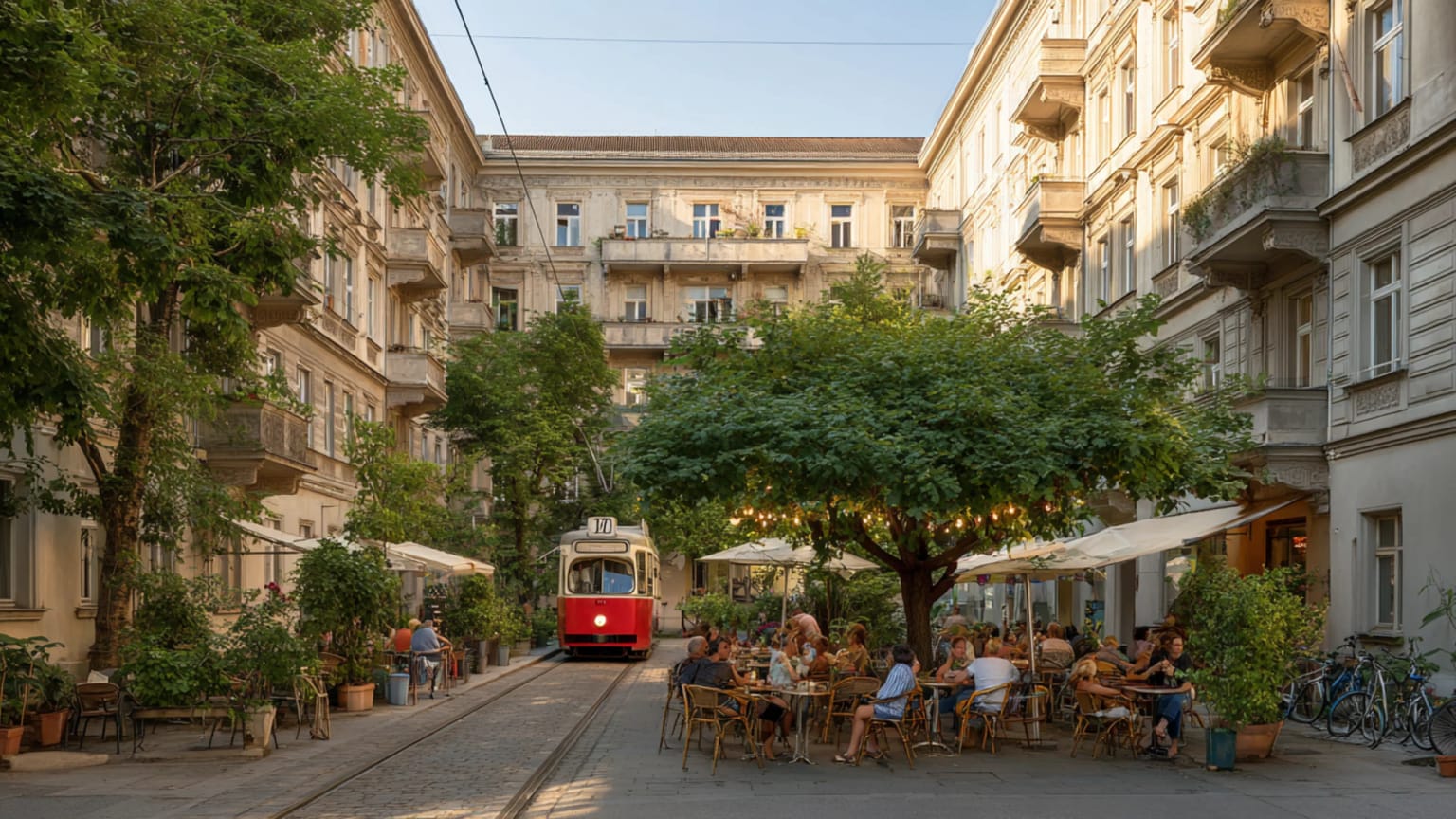
essayVienna is not the loudest great city. It is the one that most convincingly turns public power into ordinary urban ease.
 essay
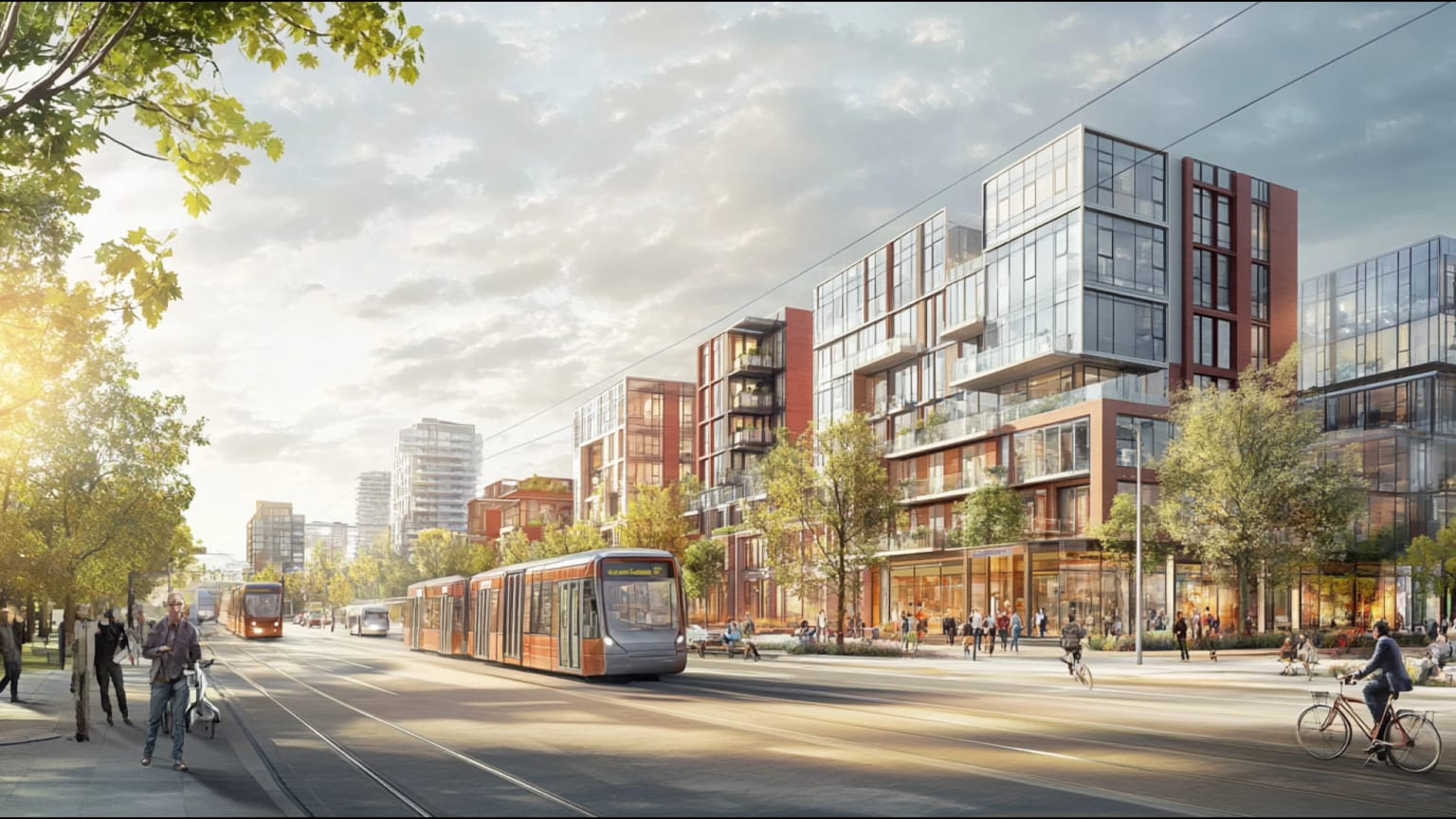
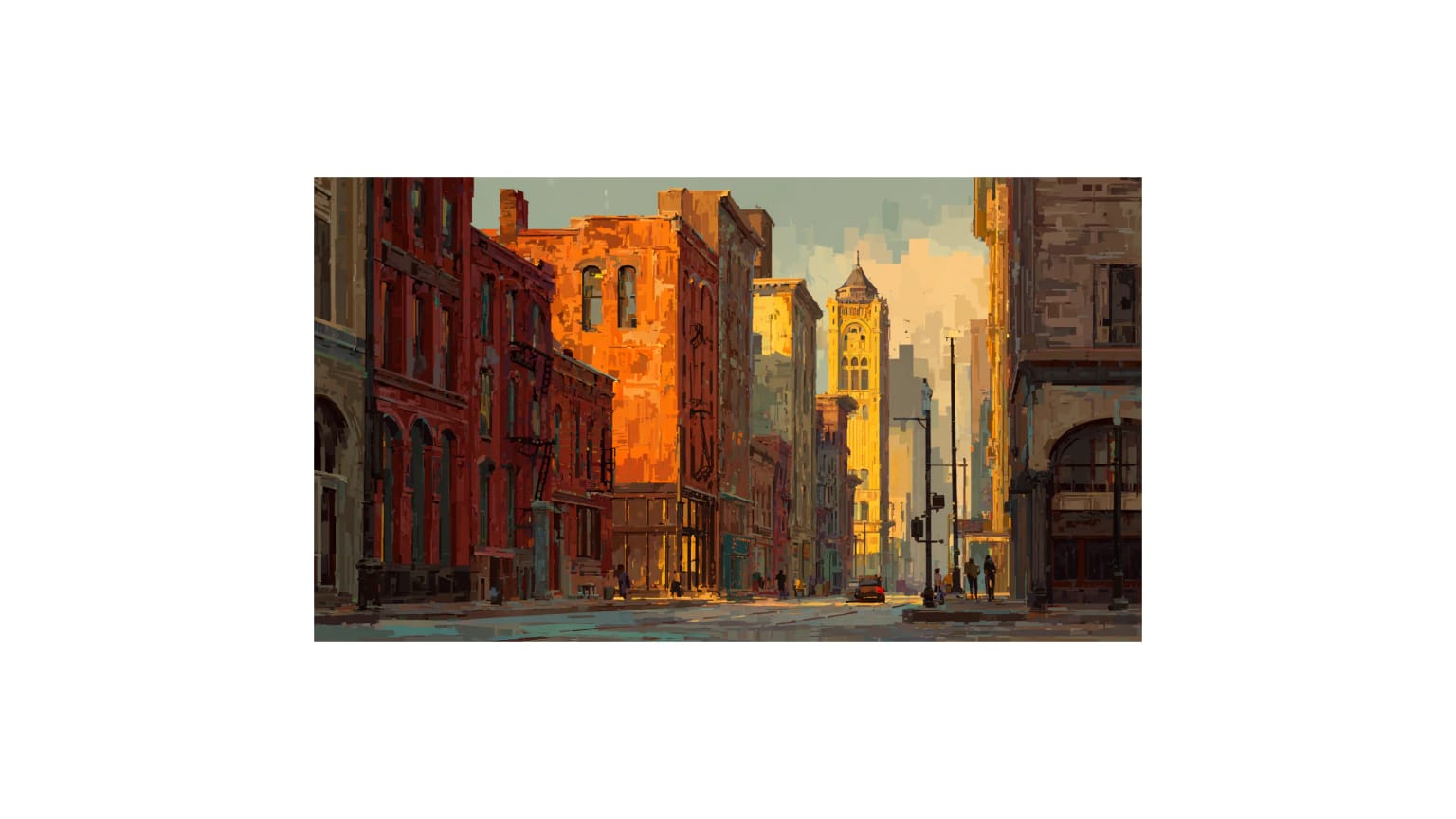
essayThe sustainable city doesn't need to choose between endless suburbs and glass towers. It needs mid-rise: five to eight storeys of mixed-use, walkable blocks. Three ambitious cities show how.
 essay
essayIn 1966, bulldozers tore through Tremé's oak-lined streets to build a highway. Sixty years later, New Orleans is learning that some wounds require more than time to heal—they require removal.
Four essays tracing the flaneur tradition beyond its Parisian origins -- into Madrid's rhetorical streets, Lisbon's vertiginous hills, the archival cities of Buenos Aires and Mexico City, and the acoustic corridors of New Orleans.
How cities are tearing down urban highways to reconnect neighborhoods, restore ecological corridors, and reimagine what these corridors can become.
UrbanStories' own take on rating living quality—23 cities scored across six lived-experience criteria (shelter, human scale, civic voice, nature, mobility, conviviality), weighted for the people who live there rather than those who fly in.